







Can You Use Clumping Litter in Automatic Litter Box? Practical Guide & Eco Insights
Can You Use Clumping Litter in Automatic Litter Boxes? Exploring the Practical and Environmental Impacts
In the evolving world of pet care, the question "can you use clumping litter in automatic litter box" pops up everywhere, from vet offices to online forums. Why does it matter globally? Well, the rise of smart pet technology combined with increasing urban pet ownership means more people seek efficient, hygienic solutions for daily cat chores. Automatic litter boxes promise convenience and odor control, but the litter type can make or break their performance. Understanding this intersection helps cat owners, product designers, and even environmental advocates optimize comfort and sustainability.
Introduction: The Global Context of Using Clumping Litter in Automatic Litter Boxes
In a world that's becoming more urbanized and tech-driven, pet ownership patterns are shifting dramatically. According to the World Bank, nearly 55% of the global population lives in urban areas as of 2023, with trends pointing upward. This inherently changes how we accommodate pets, especially cats, whose litter needs can impact housing hygiene and environmental waste management.
Automatic litter boxes are increasingly popular, with markets estimated to grow by 8% annually worldwide. Yet a conundrum remains: can you use clumping litter in automatic litter box systems without compromising their mechanics? The challenge relates not just to the litter's texture and moisture handling but also to automation sensitivity and waste disposal efficiency.
Frankly, this isn’t just a niche debate. The type of litter affects product lifespan, user satisfaction, and even environmental footprints. So learning what works best—clumping or non-clumping litter—is crucial.
What Does 'Can You Use Clumping Litter in Automatic Litter Box' Really Mean?
Put simply, “clumping litter” refers to cat litter that forms tight, solid clumps when it contacts moisture, making it easier to scoop out urine and feces. Automatic litter boxes, meanwhile, use sensors and mechanical scoops to clean waste without manual intervention. The core question is whether the clumping granules function optimally in these automated devices.
It's connected to modern pet care's drive toward automation and hygiene, which span from smart homes to environmental stewardship. Efficient waste management directly impacts sanitation and reduces human labor—somewhat of a tiny revolution in routine household chores.
Key Factors to Consider When Using Clumping Litter in Automatic Litter Boxes
1. Clumping Efficiency and Scoop Sensitivity
Most automatics rely on scoopers that sift solid waste from clean litter. If clumps are too fragile or too hard, the mechanism might jam or fail to remove waste completely. Many products specify compatible litter types to avoid damage.
2. Dust and Granule Size
Too much dust can gum up sensors and motor parts, leading to malfunctions. Ideal clumping litters have low-dust formulas and consistent granule sizes to keep machines running smoothly.
3. Odor Control
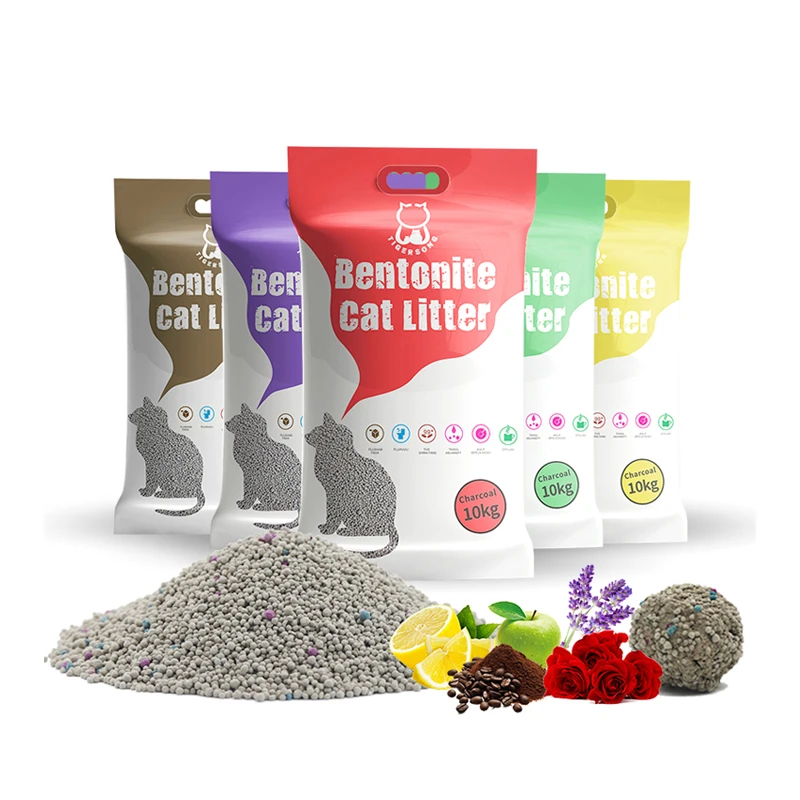
Since the litter box sits indoors, effective odor control is paramount. Clumping litters often incorporate baking soda or activated charcoal for this purpose, benefiting automated systems that might not clean as thoroughly as manual scooping.
4. Waste Disposal Compatibility
Automatic litter boxes typically deposit waste into sealed compartments or bags. The clump's integrity affects how well these systems contain odors and simplify cleanup.
| Specification | Recommended Clumping Litter | Typical Non-Clumping Litter |
|---|---|---|
| Granule Size | Fine to medium grains (1-4 mm) | Medium to coarse grains (4-7 mm) |
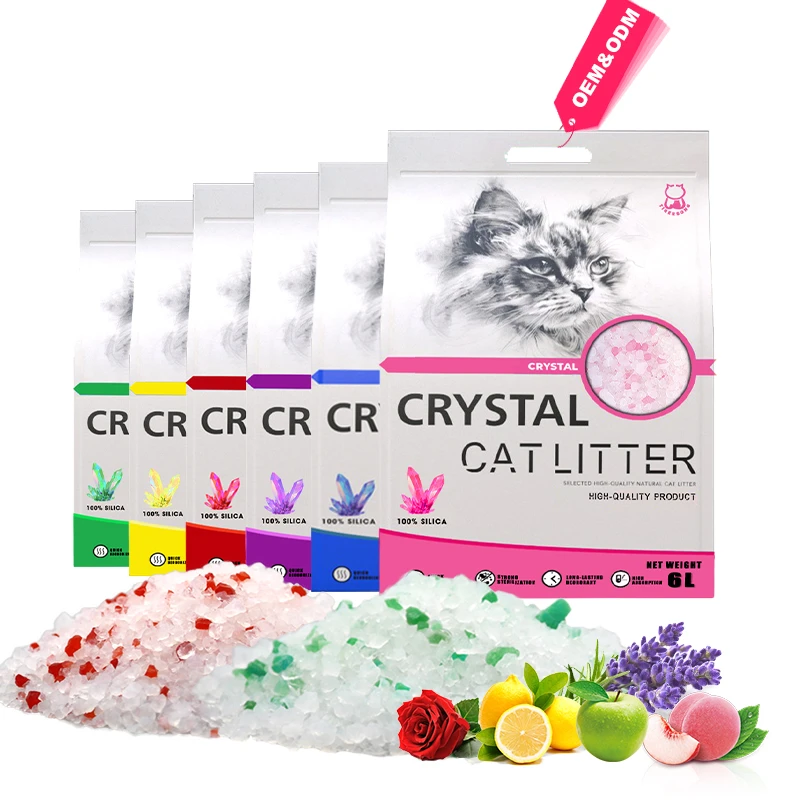
| Dust Level | Low dust (often silica or clay based) | Higher dust potential |
| Clumping Time | Within seconds to minutes | Does not clump |
| Odor Control | Enhanced with additives | Limited, relies on frequent cleaning |
Mini takeaway: Clumping litter works best when it aligns with the scoop design and sensor sensitivity of the automatic litter box, ensuring smooth waste removal without damage.
Global Applications and Notable Use Cases
Automatic litter boxes, compatible with clumping litter, are increasingly found in apartments in dense cities like Tokyo, New York, and London, where space constraints and time limitations pressurize pet owners to find easy solutions. Veterinary hospitals and cat cafes worldwide also adopt these devices to maintain hygiene with minimal staff intervention.
Oddly enough, even in developing economies, the push for urban smart living has brought automatic litter boxes and specialized clumping litters to markets in places like Singapore and Dubai, dovetailing with trends toward modern pet care and environmentally conscious product innovation.
For example, in a high-rise apartment complex in Seoul, residents reported a 40% reduction in cleaning time using automatic litter boxes with low-dust clumping litter, reducing stress and odor complaints significantly.
Advantages and Long-term Benefits of Using Clumping Litter in Automated Systems
- Convenience: Automation combined with clumping litter drastically cuts down time spent on daily litter box maintenance.
- Hygiene and Odor Control: Effective clumps contain waste odor and enable thorough removal, enhancing indoor air quality.
- Sustainability: Some clumping litters now incorporate biodegradable or recycled materials, reducing landfill impact.
- Pet Health Monitoring: Many automatic boxes track litter box use, helping detect health issues early.
There's also a subtle emotional benefit—cat owners feel assured knowing their pets’ needs are managed thoughtfully and hygienically, which fosters trust in both the technology and the pet-human bond.
Future Trends and Innovation on the Horizon
Manufacturers are moving toward fully biodegradable clumping litters that break down naturally post-disposal. Coupled with AI-powered litter boxes that adjust cleaning cycles based on real-time data and pet behaviors, the future looks both green and smart.
Furthermore, digital transformation is customizing user experiences—apps notify when the litter needs replacing or if irregular cat behavior is detected, leveraging deeper data analytics. Automation also aligns with sustainability initiatives, cutting plastic waste via novel biodegradable liners and eco-friendly packaging.
Challenges and Emerging Solutions
Some automatic litter boxes struggle with clumping litter because of mechanical jamming due to oversized clumps or dust. Dust can also cause allergies or sensor malfunctions. However, recent advances in dust-free clumping litters and redesigned, more resilient scoop mechanisms are mitigating these concerns.
Manufacturers now recommend testing specific litter brands with their models, often providing guides to optimize compatibility. Cleaning and maintenance education for owners is also emphasized to support machinery longevity.
| Brand | Dust Level | Clumping Speed | Compatibility with Auto Boxes | Eco-Friendliness |
|---|---|---|---|---|
| Brand A | Low | Fast (under 2 min) | High | Moderate |
| Brand B | Medium | Medium (3-5 min) | Medium | High (biodegradable) |
| Brand C | High | Slow (5+ min) | Low | Low |
FAQ: Practical Questions About Can You Use Clumping Litter in Automatic Litter Box
- Q: Is all clumping litter safe to use with any automatic litter box?
- A: Not necessarily. Automatic litter boxes often specify compatible litter types. It's important to use low-dust, medium-grain clumping litter to avoid mechanical issues or sensor errors.
- Q: Will clumping litter wear out my automatic litter box faster?
- A: If the litter is too hard or dusty, it might stress the scooping mechanism. Using manufacturer-recommended litters and regular cleaning can prolong the device's life.
- Q: Can clumping litter help with odor better than non-clumping types in automatics?
- A: Generally, yes. Clumping litters isolate waste into solid clumps that are easier to remove, effectively reducing lingering odors compared to non-clumping options.
- Q: How often should clumping litter be replaced in an automatic box?
- Depending on usage and litter quality, full litter replacement is usually needed every 2-3 weeks, with daily waste removal performed by the automatic scoop.
- Q: Are eco-friendly clumping litters available for automatic litter boxes?
- Yes. Several brands are innovating biodegradable, plant-based clumping litters compatible with many automated systems to reduce environmental impact.
Conclusion and Call to Action
So, can you use clumping litter in automatic litter box setups? Absolutely—but with a considered approach. Opt for low-dust, medium-grain clumping litters aligned with your device specifications. Doing so maximizes convenience, longevity, and hygiene, pushing pet care into a more sustainable and tech-friendly era.
If you're curious about the latest options or want tailored advice, don't hesitate to visit our website for more insights and product recommendations.
Thanks for taking this deep dive with me. Pet technology is growing fast, and paying attention to details like litter choice can truly improve daily life—for both cats and their humans.
— John S., Pet Tech Specialist and Writer
Quick takeaway: Choosing the right clumping litter tailored for your automatic litter box is a small step that pays off big in pet health, convenience, and eco-conscious living.
References:
Products Categories
Latest News
-
Premium Cat Tree Furniture for Pet Health and Home Harmony
NewsApr.16,2026 -
Choosing the Best Cat Tree Extra Large for Your Feline Friends
NewsApr.09,2026 -
Choosing a Purrfect and Cute Cat Tree for Your Feline Friend
NewsApr.07,2026 -
Choosing the Ideal Cat Tree and Scratching Post for Your Feline Companion
NewsApr.04,2026 -
Discover the Purrfect Cat Tower Pink to Enhance Your Feline Friend's Life
NewsMar.31,2026 -
Choosing the Perfect Cat Tower Furniture for a Happy Feline Friend
NewsMar.28,2026 -
Choosing the Perfect Cat Tower for Two Cats to Enhance Their Wellbeing
NewsMar.26,2026