







Cat Litter for Sale: Choosing the Best Options for Health, Sustainability & Comfort
Understanding Cat Litter for Sale: A Closer Look at a Small Yet Global Necessity
Cat litter for sale might seem like a niche or even trivial topic at first glance, but its global significance and practical benefits deserve more attention than we usually give. After all, millions of households worldwide rely on this product daily — it shapes the well-being of beloved pets and their owners alike. Plus, when you dig a bit deeper, you'll notice how this seemingly simple product ties into complex supply chains, sustainability choices, and evolving consumer needs.
By understanding cat litter for sale — what it really means, how it’s made, its market dynamics, and emerging trends — you get a window into a larger world of pet care innovation and environmental responsibility. Oddly enough, a scoop of litter can tell a bigger story about how industries adapt to modern life.
Introduction: Why Cat Litter Matters on a Global Scale
Here's something interesting: the global pet care market was valued at over $200 billion in 2022 according to Statista. Within that, cat litter holds a strong segment given the increasing popularity of cats as indoor pets worldwide. In fact, the United Nations' report on urban living trends shows that indoor pets, especially cats, are becoming a staple in densely populated areas.
Yet the challenge remains: how do you provide a product that's absorbent, odor-controlling, affordable, and sustainable — all while meeting varied customer expectations across continents? This question is critical for manufacturers and retailers selling cat litter globally. It's not just about selling a commodity; it's about solving everyday problems that affect millions.
What Exactly Is Cat Litter for Sale?
Simply put, cat litter is an absorbent material designed to manage cats’ waste in a litter box. It’s sold in many forms — clumping, non-clumping, silica crystals, biodegradable materials, and more. The purpose is hygiene, convenience, and odor control.
Why does this matter beyond pet homes? Because it reflects the industrial need for materials engineered for absorption, environmental friendliness, and cost efficiency. Plus, humanitarian organizations sometimes rely on similar absorbents for sanitation in challenging environments — hinting at the broader relevance.
Key Factors in Choosing Cat Litter for Sale
1. Absorbency and Odor Control
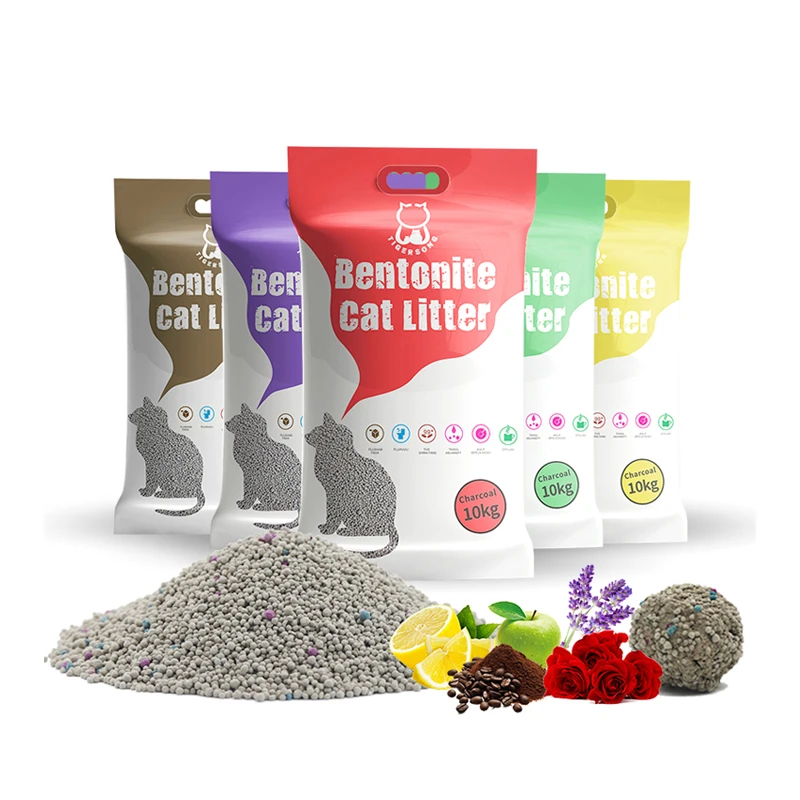
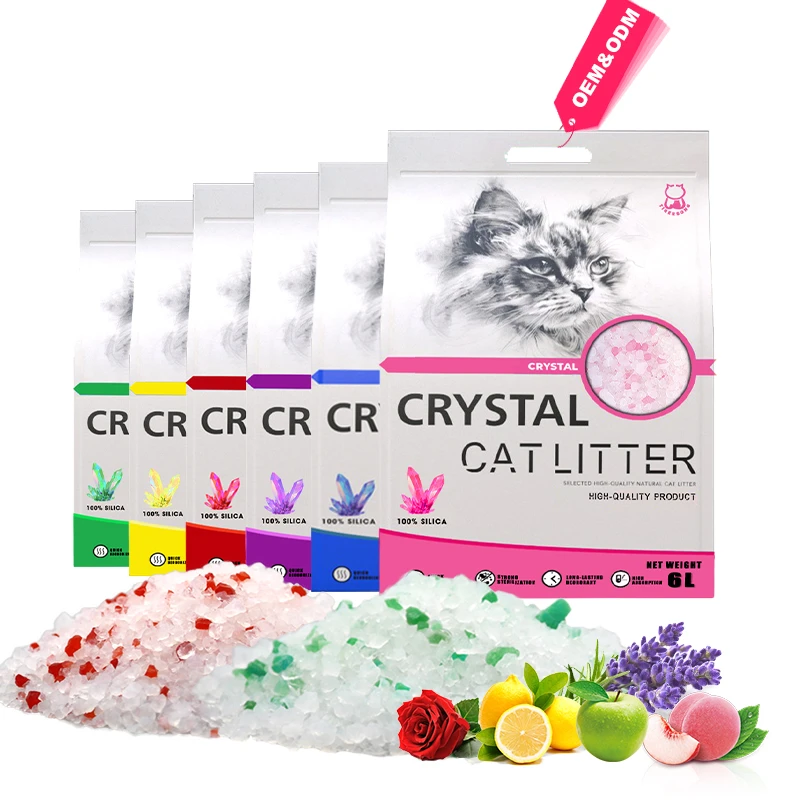
Absorbency is king when it comes to litter. Clumping litters use bentonite clay to capture moisture, while silica gel traps odors. Manufacturers often tweak formulas to keep that fresh smell around, which customers undoubtedly appreciate.
2. Environmental Impact
Increasingly, buyers demand eco-friendly options like biodegradable wheat-based or recycled-paper litters. This push aligns with global sustainability goals, a trend that’s only going to accelerate.
3. Price and Availability
Oddly enough, availability can vary widely. Regional supply chains and raw material costs influence price and accessibility, especially in remote or developing areas.
4. Dust Levels and Health Considerations
Dust-free formulas are a priority too, as dust can irritate both cats and their owners. Features targeting allergens and respiratory safety are popular innovations.
5. Packaging and Shelf Life
Durable packaging that protects contents during shipping and storage matters a lot. Plus, shelf life — especially for organic litters — can impact customer satisfaction.
Product Specification Snapshot
| Specification | Typical Clumping Clay Litter | Biodegradable Plant-Based Litter |
|---|---|---|
| Absorbency | High | Moderate |
| Odor Control | Excellent | Good |
| Dust Level | Low to Moderate | Low |
| Environmental Impact | Non-biodegradable | Biodegradable/Compostable |
| Price (per kg) | $1.50 - $2.50 | $2.50 - $3.50 |
Mini takeaway: When shopping for cat litter, balance dryness, odor control, and eco-friendliness with your budget and pet’s health.
How Cat Litter for Sale Impacts Different Regions and Industries
In urban areas, especially in Europe, Japan, and North America, demand for premium clumping and silica litters is soaring. Consumers prefer convenience combined with odor-free homes.
Meanwhile, developing nations — Latin America, Asia-Pacific regions — show more interest in cost-effective biodegradable options that reduce landfill waste. Environmental NGOs even explore such products for odor control in temporary animal shelters during crisis relief.
Industrial zones with a high number of workers and pets sometimes require bulk litter supply contracts to maintain hygiene standards, showing how this market bridges private and commercial needs.
Vendor Comparison: Leading Cat Litter Brands Overview
| Brand | Material | Price Range | Eco-Friendliness | Popular Features |
|---|---|---|---|---|
| FreshPaws | Sodium Bentonite Clay | $15–$25 per 10lb | Low | Strong clumping, odor control |
| EcoLitter NatureCare | Corn & Wheat Fibers | $20–$30 per 8lb | High (biodegradable) | Low dust, compostable |
| SilicaPets | Silica Gel Crystals | $18–$28 per 5lb | Moderate | Odor locking, low dust |
Why Choose Quality Cat Litter? Examining the Advantages
- Cost Efficiency: Better litters last longer and reduce cleaning frequency.
- Sustainability: Eco-friendly options reduce landfill impact and align with green consumer values.
- Health & Safety: Reduced dust means fewer allergies for cats and humans.
- Comfort & Trust: Owners feel confident they’re providing the best hygiene environment.
The emotional side of pet care is often underestimated — it's not just about clean paws but the peace of mind that comes with a fresh home.
Emerging Trends in Cat Litter for Sale
You may have noticed the rise in biodegradable litters, which tap into a rising wave of eco-consciousness. Meanwhile, some brands are experimenting with smart litter boxes — technology that communicates litter freshness and usage patterns digitally.
Another innovation lies in packaging: reusable pouches, bulk delivery subscriptions, and even zero-waste retailing efforts. Industry insiders say automation in supply chains also promises faster availability worldwide.
Challenges and Solutions in the Cat Litter Market
Not everything is smooth. Supply chain disruptions, inconsistent raw materials, and rising costs sometimes make affordability tricky. Some customers struggle with the dust created by clumping litters, and others want better odor control without chemicals.
Companies respond by diversifying materials, improving manufacturing processes, and promoting transparent labeling to help consumers choose wisely.
FAQ: What People Often Ask About Cat Litter for Sale
- Q: What type of cat litter is best for cats with respiratory issues?
- Choose low-dust or dust-free litters like silica gel or plant-based options to minimize allergens and irritation.
- Q: How often should cat litter be replaced for optimal odor control?
- Typically, clumping litter needs daily scooping and full replacement every 2-3 weeks; silica litters can last longer but still should be refreshed monthly.
- Q: Are biodegradable litters safe for composting at home?
- Most biodegradable litters made from plant fibers are compostable, but check local compost guidelines and ensure no cat waste contaminates edible gardens.
- Q: Can I find cat litter for sale in bulk for commercial or shelter use?
- Yes, many suppliers provide bulk purchasing options tailored for animal shelters, veterinary clinics, and industrial clients.
Conclusion: Why Investing in Good Cat Litter Is More Than Just Pet Care
When you step back, cat litter for sale is a neat example of where consumer needs, environmental goals, and pet health intersect. The long-term benefits of thoughtful product selection ripple through household comfort, waste management, and innovation landscapes.
If you’re interested in exploring quality options or finding cat litter for sale tailored to your needs, well, you know where to start. Because good litter isn’t just about catching waste — it’s about creating harmony between pets, people, and planet.
A small scoop can hold a wealth of stories — and sometimes it’s those stories that shape how we care.
References:
Products Categories
Latest News
-
Premium Cat Tree Furniture for Pet Health and Home Harmony
NewsApr.16,2026 -
Choosing the Best Cat Tree Extra Large for Your Feline Friends
NewsApr.09,2026 -
Choosing a Purrfect and Cute Cat Tree for Your Feline Friend
NewsApr.07,2026 -
Choosing the Ideal Cat Tree and Scratching Post for Your Feline Companion
NewsApr.04,2026 -
Discover the Purrfect Cat Tower Pink to Enhance Your Feline Friend's Life
NewsMar.31,2026 -
Choosing the Perfect Cat Tower Furniture for a Happy Feline Friend
NewsMar.28,2026 -
Choosing the Perfect Cat Tower for Two Cats to Enhance Their Wellbeing
NewsMar.26,2026