







Choosing the Perfect Wooden Cat Tree for Large Cats and Their Wellbeing
Choosing the Right Wooden Cat Tree for Large Cats
Finding the perfect cat tree is essential for the happiness and well-being of your feline friend, especially if you have a larger breed. A sturdy and spacious wooden cat tree for large cats provides opportunities for exercise, scratching, climbing, and relaxation. This article will guide you through the key considerations when selecting a cat tree, ensuring your furry companion has a safe and enjoyable space to call their own. We’ll cover size, materials, features, and more to help you make the best choice.
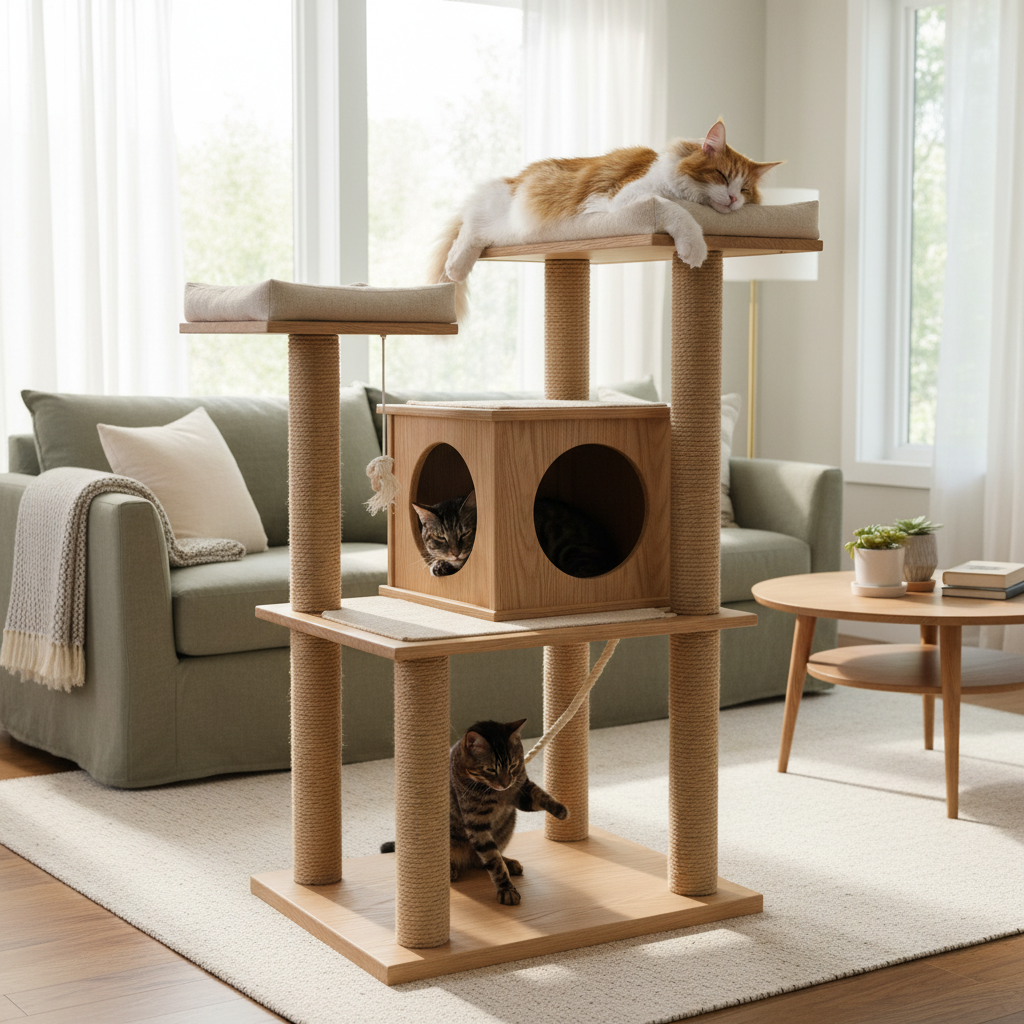
Why Choose a Wooden Cat Tree?
Wooden cat trees offer several advantages over those made from other materials. Wood provides exceptional stability and durability, crucial for supporting larger cats. Unlike flimsy cardboard or particleboard options, a well-constructed wooden cat tree can withstand vigorous scratching and climbing for years. The natural aesthetic of wood also blends seamlessly into most home decors. Moreover, wood is a generally safer and more environmentally friendly material than many synthetic alternatives. A high-quality cat tree is an investment in your cat's health and happiness.
Key Benefits: Exceptional stability, durability, natural aesthetic, and safety.
Essential Features for Large Cats
When selecting a cat tree for a larger cat, prioritize features designed to accommodate their size and activity level. Look for a sturdy base to prevent tipping, multiple platforms of varying sizes, and tall scratching posts that allow for full-body stretches. Condos or enclosed spaces provide cozy retreats, while dangling toys encourage play. Sisal rope scratching surfaces are essential for maintaining claw health and preventing furniture damage. The height of the cat tree should be sufficient to allow your cat to climb and survey their surroundings, providing both physical and mental stimulation.
Must-Have Features:
• Sturdy base for stability
• Multiple platforms of various sizes
• Tall scratching posts
• Cozy condos or enclosed spaces
Comparing Wooden Cat Tree Materials & Construction
Not all wood is created equal! The quality of the wood and construction significantly impacts the durability and longevity of the cat tree. Solid wood like pine or plywood is preferable to cheaper materials like particleboard. Ensure the wood is treated to prevent splinters and is free of harmful chemicals. Look for a cat tree with reinforced joints and a solid, weighted base. Sisal rope should be tightly wrapped around the scratching posts and securely attached. Consider the thickness of the platforms – larger cats need more substantial support.
Finding the Perfect Size: A Guide
Determining the right size is crucial for a large cat. Measure your cat while standing and stretching. The cat tree should be tall enough to allow them to fully extend, and the platforms should be large enough for them to comfortably lounge and turn around. A general rule of thumb is to choose a cat tree with a base diameter of at least 24 inches and a height of 60 inches or more. Consider the available space in your home, ensuring the cat tree doesn't obstruct walkways or furniture. You can find a fantastic selection of appropriately sized trees at Tiger-Song.
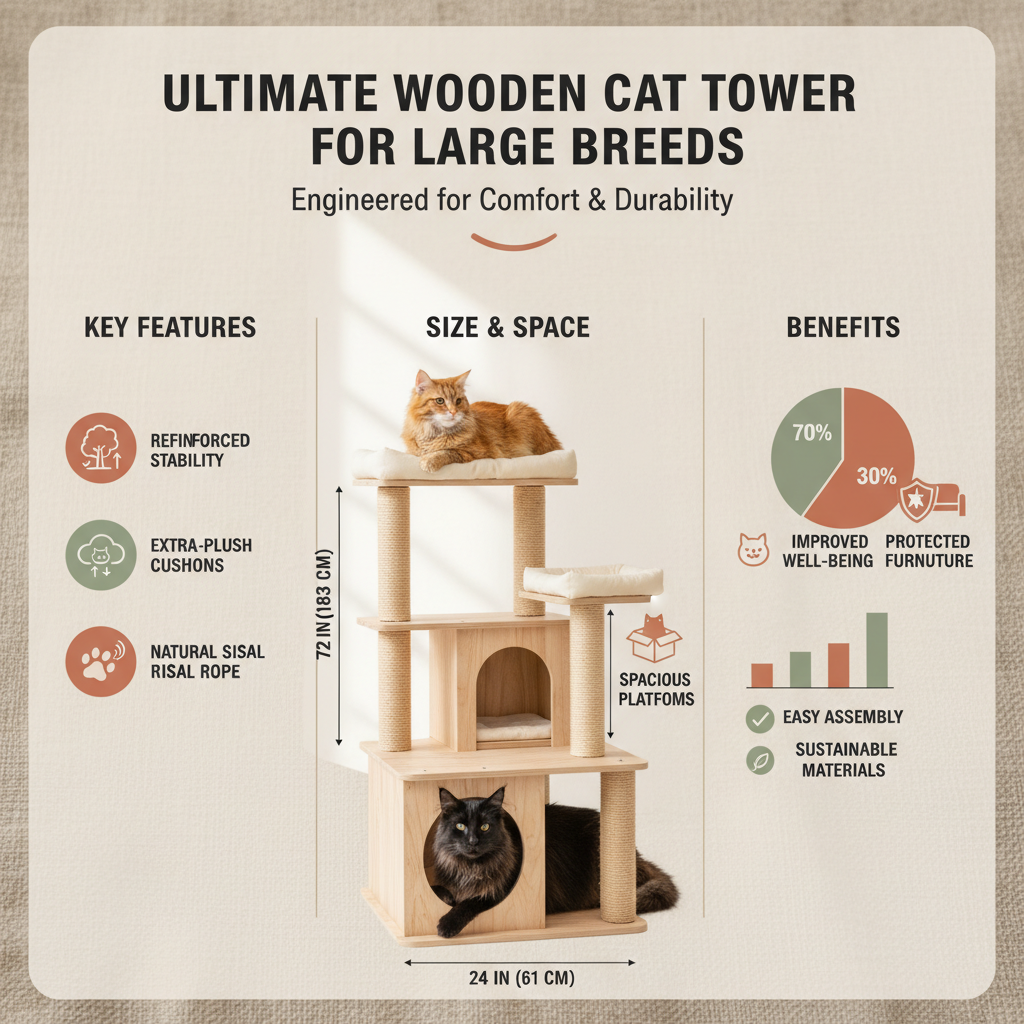
Product Spotlight: Tiger-Song's Large Cat Tree Collection
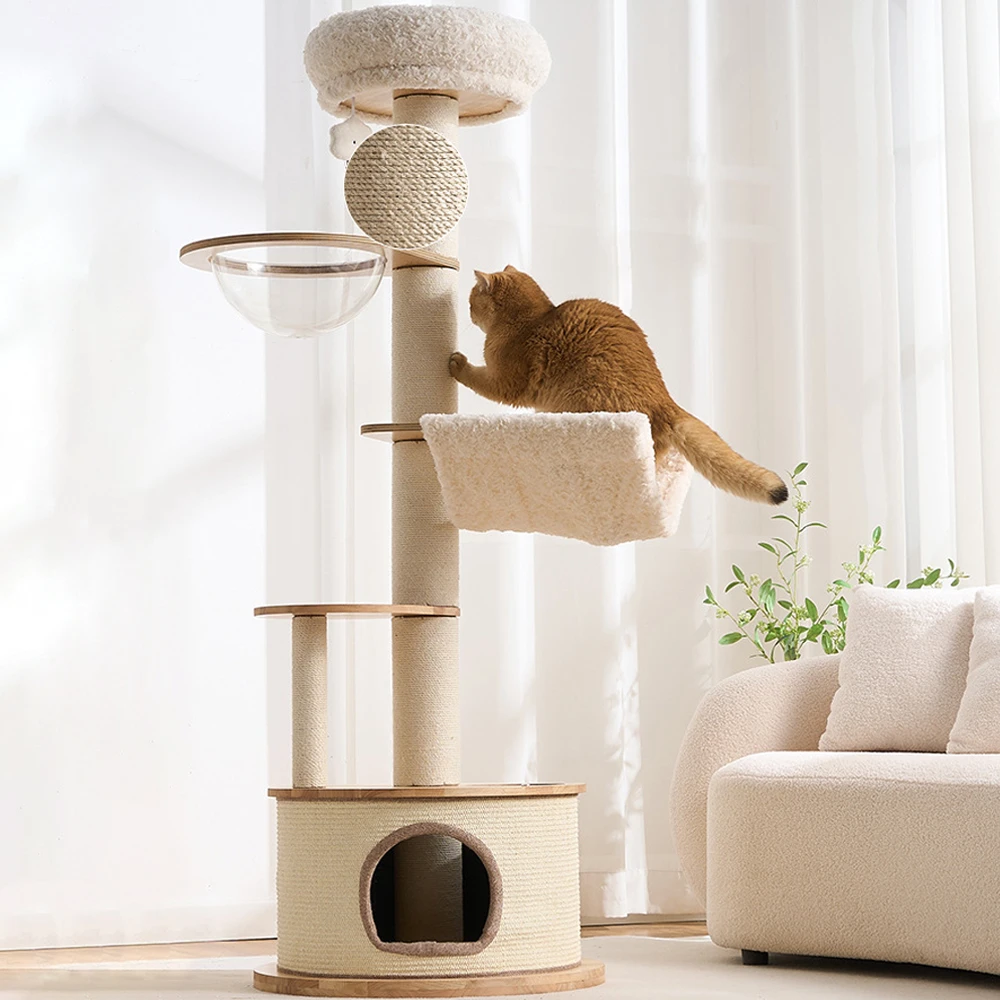
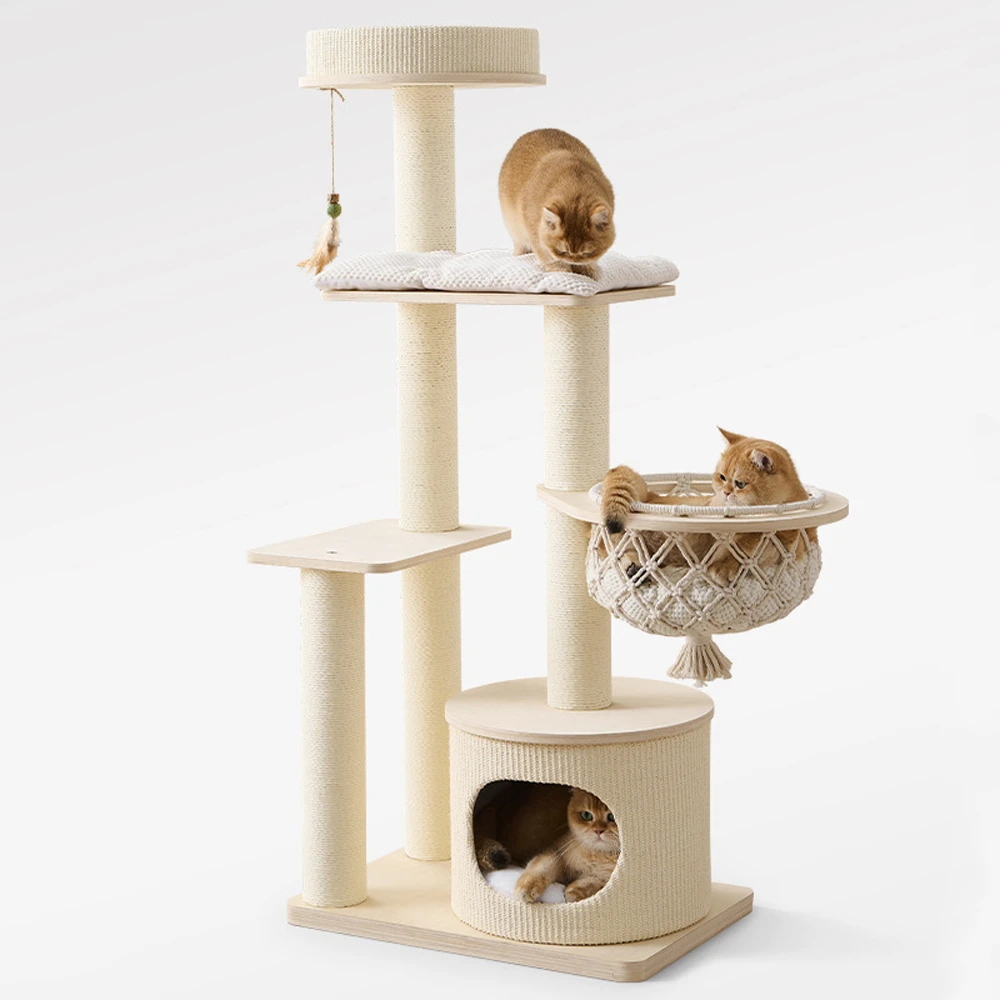
At Tiger-Song, we specialize in crafting high-quality, durable cat trees designed with larger breeds in mind. Our trees are constructed from solid wood and feature sturdy sisal-wrapped scratching posts, spacious platforms, and comfortable condos. Here's a glimpse of some popular models:
Conclusion: Invest in Your Cat's Happiness
Choosing the right wooden cat tree for large cats is an investment in their physical and mental well-being. By considering size, materials, features, and your cat's individual needs, you can provide them with a safe, stimulating, and enjoyable space to thrive. Browse our collection at Tiger-Song and find the perfect cat tree for your furry friend!
Frequently Asked Questions (FAQs)
How do I clean a wooden cat tree?
Regular cleaning is essential to maintain the hygiene and longevity of your cat tree. Vacuum the tree regularly to remove loose fur and debris. For more thorough cleaning, use a damp cloth with mild soap and water, ensuring you don't saturate the wood. Avoid harsh chemicals or abrasive cleaners. You can also use a pet-safe disinfectant to eliminate odors. Allow the tree to air dry completely before allowing your cat to use it again. Regularly inspect the sisal rope for fraying and replace it when necessary.
How can I encourage my cat to use the cat tree?
Encouraging your cat to use the cat tree may require a little patience. Place the tree in a location your cat frequents, such as near a window or in a common living area. Sprinkle catnip on the platforms and scratching posts to attract their attention. Dangle toys from the tree to entice them to climb and play. Reward them with treats and praise when they use the tree. Avoid forcing your cat onto the tree, as this may create negative associations.
What safety precautions should I take when setting up a cat tree?
Prioritize safety when setting up your cat tree. Ensure the tree is placed on a level surface and is stable. If the tree is tall, consider securing it to a wall to prevent tipping. Regularly inspect the tree for loose screws or damaged parts and repair them promptly. Avoid placing the tree near fragile objects that could be knocked over. Supervise your cat during their initial use of the tree to ensure they are comfortable and safe.
Products Categories


Latest News
-
Premium Cat Tree Furniture for Pet Health and Home Harmony
NewsApr.16,2026 -
Choosing the Best Cat Tree Extra Large for Your Feline Friends
NewsApr.09,2026 -
Choosing a Purrfect and Cute Cat Tree for Your Feline Friend
NewsApr.07,2026 -
Choosing the Ideal Cat Tree and Scratching Post for Your Feline Companion
NewsApr.04,2026 -
Discover the Purrfect Cat Tower Pink to Enhance Your Feline Friend's Life
NewsMar.31,2026 -
Choosing the Perfect Cat Tower Furniture for a Happy Feline Friend
NewsMar.28,2026 -
Choosing the Perfect Cat Tower for Two Cats to Enhance Their Wellbeing
NewsMar.26,2026