







Discover the Benefits of Self Cleaning Cat Pan - Convenience Meets Hygiene
What is a Self Cleaning Cat Pan and Why It Matters
If you’ve ever shared a home with a feline friend, you know the ritual of scooping the litter box isn’t exactly the highlight of your day. Enter the self cleaning cat pan, a nifty innovation designed to handle waste disposal automatically. But beyond convenience, these devices address a growing global concern: maintaining hygiene while reducing human intervention in pet care, particularly as indoor cat ownership booms around the world.
Why does this matter globally? Aside from improving lifestyles for cat owners (a market estimated to include hundreds of millions of cats worldwide), self cleaning litter systems also lessen environmental impacts by optimizing waste management and reducing odor and contamination risks. Understanding their design and applications offers insight into how small inventions can ripple into global benefits — for convenience, sustainability, and health.
Understanding the Global Context of Self Cleaning Cat Pans
It might seem niche, but the rise of automated pet care products matches broader trends in automation and responsible pet stewardship globally. According to the World Pet Association, cat ownership has increased steadily, with an estimated 75 million cats in the U.S. alone (APPA National Pet Owners Survey 2021-2022). Parallel urbanization and smaller living spaces make tidy, odor-free solutions a necessity.
However, the challenge lies in managing waste effectively without frequent manual cleaning, which can be a barrier for busy pet owners or those with physical limitations. The self cleaning cat pan addresses this by combining automation with hygienic design. Plus, as sustainability grows in consumer values worldwide, reducing wasted litter and controlling odor in a low-energy way is becoming a norm rather than a luxury.
What Exactly is a Self Cleaning Cat Pan?
At its core, a self cleaning cat pan is a litter box designed to reduce or eliminate the need for daily manual scooping. It typically includes sensors, motorized components, and waste segregation tech. After your cat does its business and leaves, the machine activates, sifting or rotating the litter to separate solids and clumps, depositing the waste into a sealed compartment.
But it’s not just about automation. These pans seek to maintain a clean, pleasant environment for both pet and owner, often with features to control odor, reduce litter tracking, and sometimes even monitor cat health by analyzing waste. It’s a prime example of how pet care is adapting to modern lifestyles, making the mundane less of a chore.
Key Components of a Self Cleaning Cat Pan
1. Automated Scooping Mechanism
Most models use either a rake system or a rotating drum that activates after use. Sensors detect when the cat leaves, triggering a cleaning cycle. These mechanical parts need to be reliable and gentle enough to not frighten the cat yet effective in sorting clean litter from waste.
2. Waste Containment and Odor Control
Sealed waste compartments with carbon filters or deodorizers play a huge role. Containment reduces unpleasant smells and discourages pests—especially important for indoor cats in small spaces.
3. Durable & Safe Materials
Plastic coatings and smooth surfaces resist urine damage and litter buildup. Materials need to be non-toxic and easy to clean, balancing weight and sturdiness, since the pan must hold up to daily cycles.
4. Power Options and Efficiency
Some units plug into home outlets, while others use batteries. Energy consumption is a factor, especially for environmentally conscious buyers who want smart devices but minimal power impact.
5. User Interface and Alerts
Modern pans might connect to apps or have LED indicators to signal when the bin is full or when maintenance is needed, blending convenience with a bit of tech-savviness.
Mini Takeaway:
The self cleaning cat pan is not just a gadget — it’s a mini ecosystem of mechanics, materials, and sensors all aimed at making pet care simpler and more hygienic.
Where Are Self Cleaning Cat Pans Making a Difference?
Globally, these devices fit into urban households where space and time are limited. In places like Japan, Europe, and the U.S., where pet ownership rates are high and lifestyle pace swift, they’re increasingly common. But interestingly, they’ve found niche applications elsewhere, too.
- Post-disaster relief shelters: Some aid organizations working in disaster zones integrate easy-to-clean litter solutions where displaced families bring pets, easing sanitation challenges.
- Veterinary clinics & shelters: Automated pans reduce staff workload and improve cat wellbeing in high-volume environments.
- Remote industrial zones: Worker housing with minimalist utilities appreciates the pan’s self-maintenance feature, requiring no daily waste management.
Mini Takeaway:
While designed for homes, self cleaning cat pans bridge gaps in hygiene and pet care in both everyday life and specialized circumstances worldwide.
Advantages & Long-Term Value of Using Self Cleaning Cat Pans
There are tangible benefits here—beyond the obvious “cleaner litter box.”
- Cost Efficiency: Though upfront price can be higher than traditional pans, reduced litter waste and less manual disposal can save money long-term.
- Hygiene & Health: Automatic cleaning limits human contact with waste, lowering risks of allergens and bacteria exposure.
- Sustainability: Better waste management means less environmental leakage of harmful compounds.
- Emotional Impact: Owners feel less burdened by daily chores, often improving pet-human relationships and reducing stress.
Product Specification Table
| Feature | Typical Specs | Notes |
|---|---|---|
| Cleaning Method | Rotating Drum / Rake System | Varies by brand |
| Power Source | AC Plug / Rechargeable Battery | Battery life 1-2 weeks typical |
| Waste Bin Capacity | 3-5 liters | Holds ~1 week of waste |
| Dimensions | 40x50x43 cm (avg.) | Fits most indoor spaces |
| Material | Non-toxic ABS Plastic | Easy to clean, durable |
Comparing Popular Self Cleaning Cat Pan Vendors
| Brand | Cleaning Mechanism | Price Range (USD) | Unique Features |
|---|---|---|---|
| Litter-Robot | Rotating Sphere | $450–$550 | App integration, multiple cat support |
| PetSafe ScoopFree | Rake System | $200–$300 | Crystal litter, disposable trays |
| CatGenie | Flushing & Washing | $500–$600 | Self-washing, water hookup needed |
The Future of Self Cleaning Cat Pans: Trends and Innovations
Industry insiders talk a lot about integration with smart home systems, where your pan could send alerts, reorder litter automatically, or even track your cat’s bathroom habits to flag health issues early. Green energy solutions, like solar-powered models or ultra-low energy motors, are also on the horizon—fitting with the global push for sustainability.
Material science innovations may lead to pans that clean themselves even more thoroughly, resist bacterial growth, or use biodegradable liners. And as AI-driven pet care technologies grow, we could see pans that adapt cleaning intensity depending on usage patterns or cat behavior.
Challenges in Current Designs and How They’re Being Mitigated
Obviously, no product is without flaws — common complaints include:
- Some cats hesitant to use automated pans due to noise or motion.
- Mechanical failures requiring servicing.
- Higher upfront costs compared to traditional litter boxes.
- Need for specialized litter in some models.
Experts recommend gradual introductions for shy cats, and vendors are improving soundproofing and error alerts to minimize issues. Meanwhile, subscription models for consumables help smooth out costs.
FAQs About Self Cleaning Cat Pans
- Are self cleaning cat pans safe for kittens or elderly cats?
- Generally yes, though kittens might need supervision initially as some mechanisms can be noisy. Elderly cats often benefit most since the pan reduces physical strain on owners.
- What type of litter is best for these automated systems?
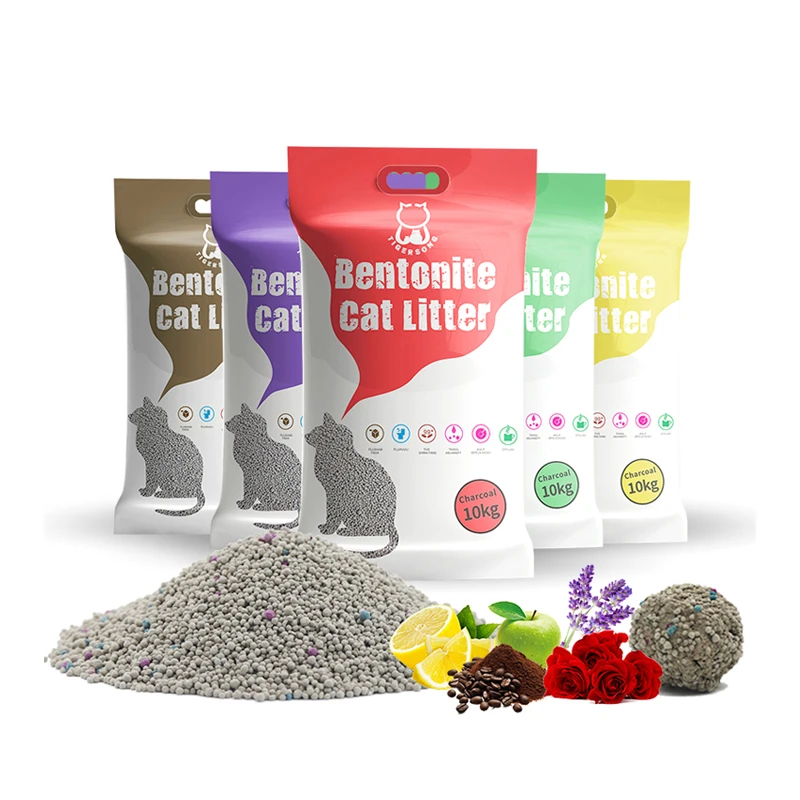
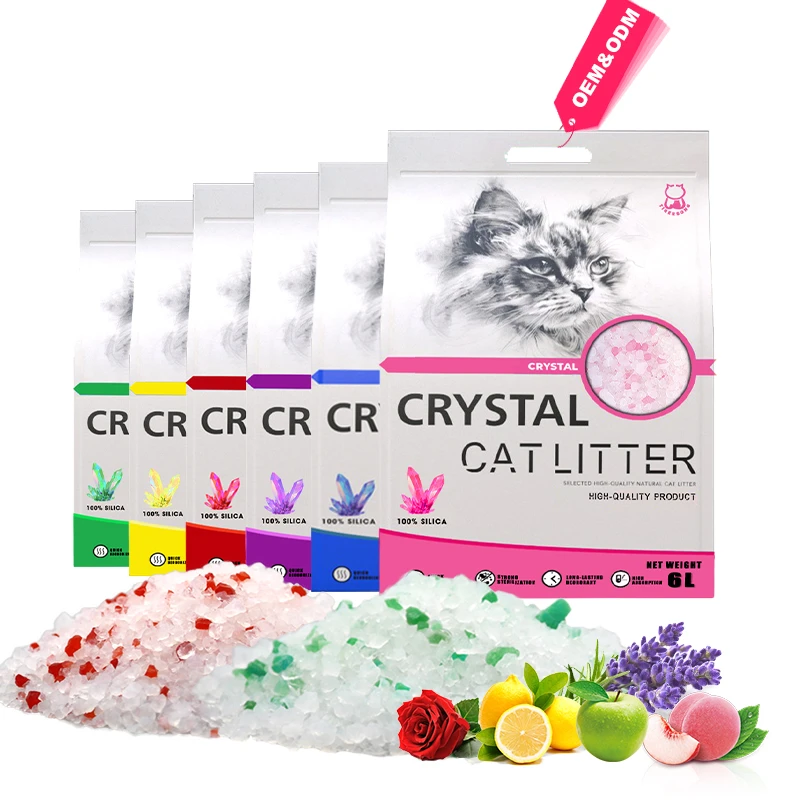
- Clumping clay litter is most common, but some models like PetSafe ScoopFree use crystal litter. It’s important to follow manufacturer recommendations to avoid clogging or sensor issues.
- How often do I need to empty the waste drawer?
- Most pans can hold about a week’s worth of waste for one cat; multi-cat households may require more frequent emptying.
- Do these pans work for multiple cats?
- Some models, like the Litter-Robot, are designed to handle multiple cats with bigger waste bins and multiple cycle triggers.
- Can I use a self cleaning cat pan if I travel often?
- Yes, they’re great for pet owners who want to minimize care during absences. Just ensure someone checks the waste compartment periodically.
Wrapping It Up: Why the Self Cleaning Cat Pan Could Be Your Next Best Home Addition
In real terms, self cleaning cat pans save time, improve hygiene, and add a dash of tech-savvy convenience to pet ownership. They straddle the line between practical necessity and modern innovation, making everyday life a bit easier and your cat’s environment healthier. Whether you’re an urban dweller juggling work and pets, or someone caring for multiple felines, these pans offer long-term value that’s hard to ignore.
Explore more about these clever products and find your perfect fit at our site: https://www.tiger-song.com. Because a happy cat means a happy home — and sometimes, a little automation goes a long way.
References
Products Categories
Latest News
-
Premium Cat Tree Furniture for Pet Health and Home Harmony
NewsApr.16,2026 -
Choosing the Best Cat Tree Extra Large for Your Feline Friends
NewsApr.09,2026 -
Choosing a Purrfect and Cute Cat Tree for Your Feline Friend
NewsApr.07,2026 -
Choosing the Ideal Cat Tree and Scratching Post for Your Feline Companion
NewsApr.04,2026 -
Discover the Purrfect Cat Tower Pink to Enhance Your Feline Friend's Life
NewsMar.31,2026 -
Choosing the Perfect Cat Tower Furniture for a Happy Feline Friend
NewsMar.28,2026 -
Choosing the Perfect Cat Tower for Two Cats to Enhance Their Wellbeing
NewsMar.26,2026