







Discover the Convenience of Self Cleaning Litterboxes | Tiger Song
Understanding Self Cleaning Litterboxes: Why They Matter More Than You Think
Self cleaning litterboxes aren't just fancy gadgets for pampered pets. They symbolize a shift in how we manage hygiene, convenience, and sustainability in pet care—a sector valued at over $250 billion globally (according to the American Pet Products Association). The idea is straightforward: a litterbox that cleans itself, saving time for pet owners and improving cleanliness for cats. But why is this a global concern? From urban apartments in Tokyo to sprawling farms in Brazil, self cleaning litterboxes reduce waste, improve air quality, and even promote better health (for pets and humans alike). Understanding their benefits helps consumers, vets, and manufacturers make smarter choices in a world that increasingly values automation and eco-friendliness.
Mini takeaway: Self cleaning litterboxes are more than luxury; they’re practical solutions for improving pet hygiene worldwide.
Why Self Cleaning Litterboxes Are Gaining Global Relevance
Let’s start with some context. According to ISO standards (ISO 23509:2019), automated pet care devices like self cleaning litterboxes are part of the evolving category of smart home appliances. The pet population worldwide has exploded—there are roughly 370 million pet cats globally, and many urban households want cleanliness without daily scooping. However, the traditional litterbox poses challenges: odor, bacterial buildup, and manual maintenance. This creates a niche where self cleaning litterboxes step in, turning a mundane chore into an automated, hygienic process. In dense cities, where space and time are limited, these devices address both practical and environmental concerns. Oddly enough, what started as a niche gadget is now rooted in global pet ownership trends, sustainability pushes, and digital convenience.
Mini takeaway: Rising pet ownership and urban lifestyles have made self cleaning litterboxes a practical necessity across continents.
What Exactly Are Self Cleaning Litterboxes?
Put simply, a self cleaning litterbox is an automatic device designed to sift, rake, or otherwise remove cat waste shortly after use. They work by detecting when a cat leaves and triggering mechanisms that separate clumps and odors from clean litter. Some models even deposit waste in sealed compartments for easy disposal. Close ties exist with advancements in sensors, robotics, and waste management technologies. Importantly, these boxes serve as a bridge between pet comfort, owner convenience, and cleaner living spaces. In a broader humanitarian sense, imagine how they reduce unpleasant smells and bacteria in small homes, shelters, or places where sanitation infrastructure is limited. In all, they reflect how technology improves everyday life—even on a tiny, furry scale.
Key Features That Define Modern Self Cleaning Litterboxes
1. Durability & Material Quality
Most self cleaning litterboxes are made from sturdy plastics and scratch-resistant materials, often BPA-free for pet safety. Durability matters because these devices operate daily with moving parts—motors, sensors—that need to last for years with minimal maintenance.
2. Sensor Precision & Automation
Some engineers swear by infrared or weight sensors that detect feline presence and trigger cleaning cycles only once the cat has left—avoiding premature raking. Accuracy here ensures reliability and pet comfort, preventing accidental cleanup while the cat is still inside.
3. Noise Levels & User Experience
Quiet motors are key. Odd, but cats are sensitive to noise, and an overly loud litterbox risks scaring them off or making owners uneasy. The best models operate almost silently, requiring no user interaction beyond emptying the waste compartment.
4. Waste Management & Odor Control
Sealed compartments with carbon filters or anti-bacterial linings are common, trapping odors. Some units also allow integration with disposable liners or recyclable trays for hassle-free cleanups.
5. Power & Energy Efficiency
These systems often run on electricity or batteries. Energy-conscious designs ensure they consume minimal power—important in both homes and more remote areas where power reliability may vary.
| Specification | Typical Range / Feature |
|---|---|
| Dimensions | 45cm x 35cm x 40cm |
| Weight Capacity | Up to 10kg per cat |
| Power Supply | AC 100-240V / Rechargeable battery option |
| Sensor Type | Infrared, weight & motion sensors |
| Waste Capacity | Up to 14 days without emptying (varies by usage) |
| Noise Level |
Mini takeaway: These core features mean the best self-cleaning litterboxes offer reliable, quiet, and hygienic solutions that suit a variety of spaces and cats.
Where and How Are Self Cleaning Litterboxes Making a Difference?
Kind of fascinating to think about it: these devices find homes everywhere—from cramped urban studios in New York to luxury cat cafes in Europe, and even in animal shelters across Asia. In places like Tokyo, limited space and busy lifestyles demand automation. In shelters, reducing labor-intensive litter maintenance frees up staff for other care duties. Oddly enough, even in some developing countries, NGOs have piloted models with solar-powered options to improve hygiene where sanitation infrastructure is sparse. The market isn’t just pet owners—it's veterinary clinics, hotels that allow pets, and more.
Some regions embracing these devices early include:
- North America: High adoption among urban pet owners valuing convenience.
- Europe: Focus on eco-friendly models with recyclable materials.
- Asia-Pacific: Growth in high-tech models linked to smart home trends.
- South America: Emerging markets with affordability focus.
Mini takeaway: The self cleaning litterbox is becoming a tool adapting to diverse regional needs and tech readiness around the globe.
Long-Term Advantages You Might Overlook
The obvious upsides are time saved and fewer unpleasant odors. But digging deeper, you find sustainability benefits—using less disposable litter, reducing plastic waste from daily scooping bags. Owners also report less stress knowing their cats have a clean environment, which can reduce feline urinary tract issues, backed by vets’ advice. There’s an emotional side too: dignity for both pet and owner, thanks to innovation. Frankly, these boxes foster trust—a subtle but powerful connection between modern pet care and technology. They also optimize cost in the long run, despite higher initial price tags, since managing waste and litter quantity improves substantially.
The Next Frontier: Innovations on the Horizon
What’s exciting—and this is still fresh—is how AI and IoT are edging into litterboxes. Imagine units that track your cat’s weight, health signals, or even recognize multiple cats and adjust cleaning cycles accordingly. Green energy also matters here: solar-charged batteries or biodegradable liners are starting to appear. Online apps might someday let you monitor and order litter refills automatically. For the eco-conscious, developers target sustainable materials and packaging that comply with evolving international standards (ISO 14001 environmental management, for example). Pretty neat stuff, and with pet care precision increasing, one wonders where this tech will be in five years.
Hurdles and How the Industry Tackles Them
Not everything is perfect yet. Some common pain points users report include mechanical jams, sensor glitches, and price prohibitions. These can scare off potential buyers. Plus, certain cats resist change and might avoid automated litterboxes initially. Industry experts suggest thorough user education, warranty support, and adapting designs to multi-cat households. Manufacturers have been exploring modular components to simplify repairs and reduce e-waste. Some brands even offer trade-in or rental programs to ease affordability. In practice, combining innovation with customer-centric care is key.
Quick FAQ: Answers to Common Self Cleaning Litterbox Questions
- Q: How often do I need to empty a self cleaning litterbox?
- A: Most models can hold waste for around 7 to 14 days depending on use and the number of cats. Emptying frequency varies with usage, but most users find once a week sufficient.
- Q: Are self cleaning litterboxes safe for all cats?
- A: Generally yes, but kittens under six months and some shy cats can be wary of moving parts. Gradual introduction and choosing models with sensitive sensors help ease the transition.
- Q: Do these litterboxes work with all types of cat litter?
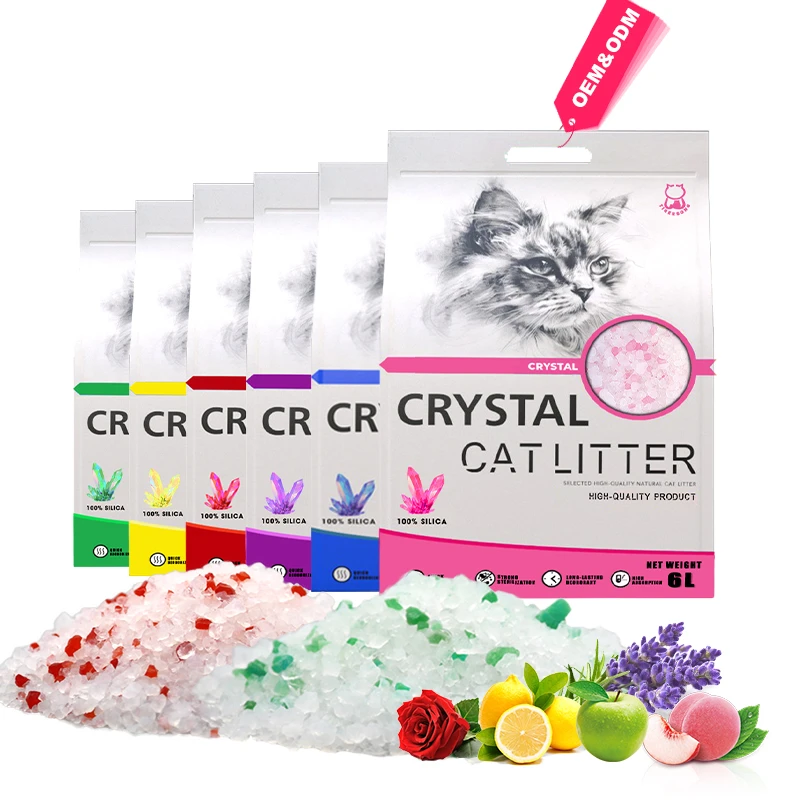
- A: Most work best with clumping litter. Some recommend avoiding non-clumping or crystal litters as they may interfere with the mechanical parts.
- Q: Can self cleaning litterboxes help reduce odor more effectively?
- A: Yes. Automated cleaning shortly after use means waste doesn’t sit, thus minimizing ammonia buildup and odors. Integrated carbon filters also assist in odor control.
- Q: Are there energy-efficient options available?
- A: Definitely. Many newer models include rechargeable batteries or low-voltage power consumption, and some even feature power-saving modes when not in use.
Wrapping Up: Why Consider a Self Cleaning Litterbox?
In the end, self cleaning litterboxes are not just novelty purchases; they’re thoughtful tools that make pet ownership cleaner, easier, and more sustainable. By automating an unavoidable chore, they give owners back precious time while elevating pet wellbeing. If you’re curious or ready to explore options, self cleaning litterboxes show clear promise for tomorrow’s pet homes.
Vendor Comparison Table
| Brand | Cost Range | Key Feature | Warranty | Special Notes |
|---|---|---|---|---|
| CleanPaws Pro | $250 - $300 | Quiet motor, multi-cat sensors | 2 years | BPA-free plastics, easy liner change |
| AutoLitter Elite | $300 - $350 | App control + health monitoring | 3 years | Solar charging option |
| EcoLoo Basic | $180 - $220 | Energy efficient, recyclable parts | 1 year | Best for single-cat households |
In closing, if you're considering stepping up your pet care game, automating the litter routine might just be the most satisfying upgrade. And remember, for more info and options, check out self cleaning litterboxes.
References & Further Reading
Products Categories
Latest News
-
Premium Cat Tree Furniture for Pet Health and Home Harmony
NewsApr.16,2026 -
Choosing the Best Cat Tree Extra Large for Your Feline Friends
NewsApr.09,2026 -
Choosing a Purrfect and Cute Cat Tree for Your Feline Friend
NewsApr.07,2026 -
Choosing the Ideal Cat Tree and Scratching Post for Your Feline Companion
NewsApr.04,2026 -
Discover the Purrfect Cat Tower Pink to Enhance Your Feline Friend's Life
NewsMar.31,2026 -
Choosing the Perfect Cat Tower Furniture for a Happy Feline Friend
NewsMar.28,2026 -
Choosing the Perfect Cat Tower for Two Cats to Enhance Their Wellbeing
NewsMar.26,2026