







Discover the Leading Self Cleaning Litter Box for Happy Cats and Clean Homes
The Self Cleaning Litter Box: Revolutionizing Pet Care on a Global Scale
When you think about pet care innovations, the self cleaning litter box might not immediately spring to mind—but it’s quietly transforming how millions of cat owners worldwide tackle a very stinky chore. Globally, millions of households grapple with maintaining clean litter areas, and the advent of automated litter boxes has introduced a much-needed dose of convenience, hygiene, and even sustainability. Understanding how these devices work and their broader implications helps explain why they’re not just “nice-to-have” gadgets but are becoming essential for urban living and busy lifestyles everywhere.
Introduction: Why the Self Cleaning Litter Box Matters Today
As urban populations increase and living spaces shrink, the space and time devoted to pet maintenance have become increasingly precious. According to a 2023 United Nations report on urban living, over 55% of the world’s population now lives in cities, many in apartments or small homes where traditional litter boxes can become problematic due to odors and manual cleaning demands. Furthermore, the International Organization for Standardization (ISO) has spotlighted innovations in automated home appliances—including pet care—that improve quality of life by automating repetitive tasks.
The reality is clear: managing pet waste is often a messy, unpleasant task, and improving this experience addresses both hygiene and public health challenges. The self cleaning litter box, therefore, isn’t just a convenience but a practical tool directly impacting daily well-being and environmental impact, especially in dense urban environments.
What Is a Self Cleaning Litter Box?
Simply put, a self cleaning litter box is an automated device designed to clean cat litter after use with minimal human intervention. It typically senses when the cat leaves and then rakes or sifts waste into a sealed compartment, reducing waste exposure and odor. It’s the smart evolution of the traditional litter box, leveraging sensors, timers, and sometimes even app connectivity to streamline maintenance.
Technologically speaking, these devices intersect with smart home trends and eco-friendly engineering—using less litter, reducing waste, and minimizing water usage compared to cleaning other pet hygiene products like trays or pads. On a more humanitarian note, they support elderly pet owners or people with physical limitations, making pet care accessible to a wider audience.
Core Features of the Modern Self Cleaning Litter Box
1. Durability and Materials
Most quality self cleaning litter boxes are made from high-grade, non-toxic plastics or composites that resist odor absorption and withstand constant mechanical movement. Durability is key because these units often operate daily for months without fail.
2. Intelligent Sensors and Automation
Motion sensors or weight detectors trigger the cleaning cycle a short time after the cat exits, ensuring safety and efficiency. Smarter models use infrared sensors or microchips to recognize individual cats—a neat feature for multi-cat households.
3. User-Friendly Design
Ease of setup and cleaning profoundly affects customer satisfaction. Top models offer modular parts, easy waste disposal bins, and minimal “false starts” in the cleaning process to prevent jams or noise complaints.
4. Cost Efficiency and Energy Use
Although the initial investment ranges from $200 to $600, many owners report savings on litter consumption and reduced vet visits due to better hygiene. Energy consumption is modest—usually under 10 watts during operation—important for eco-conscious buyers.
5. Scalability and Compatibility
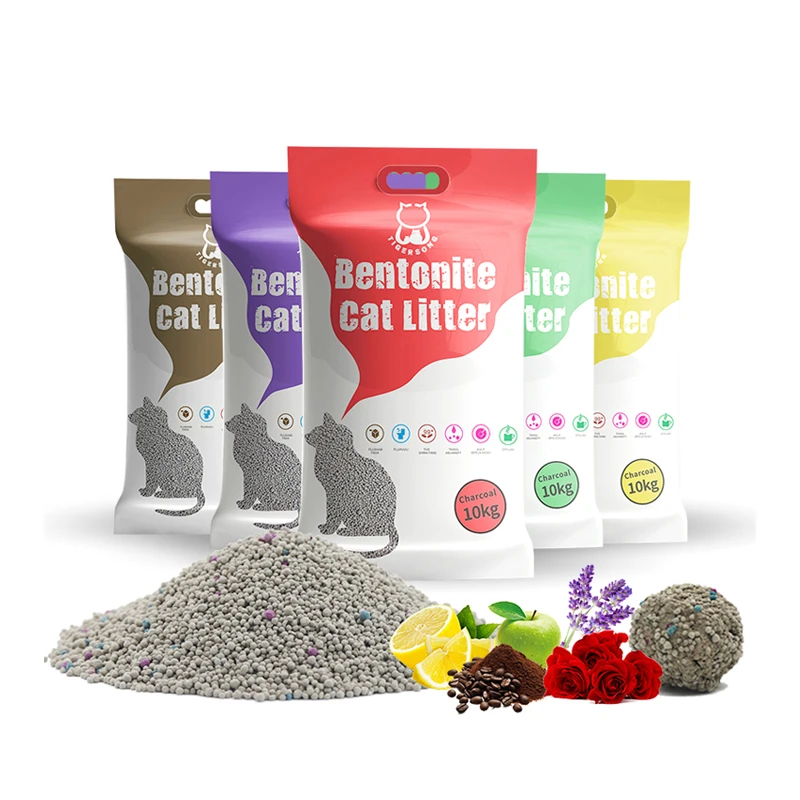
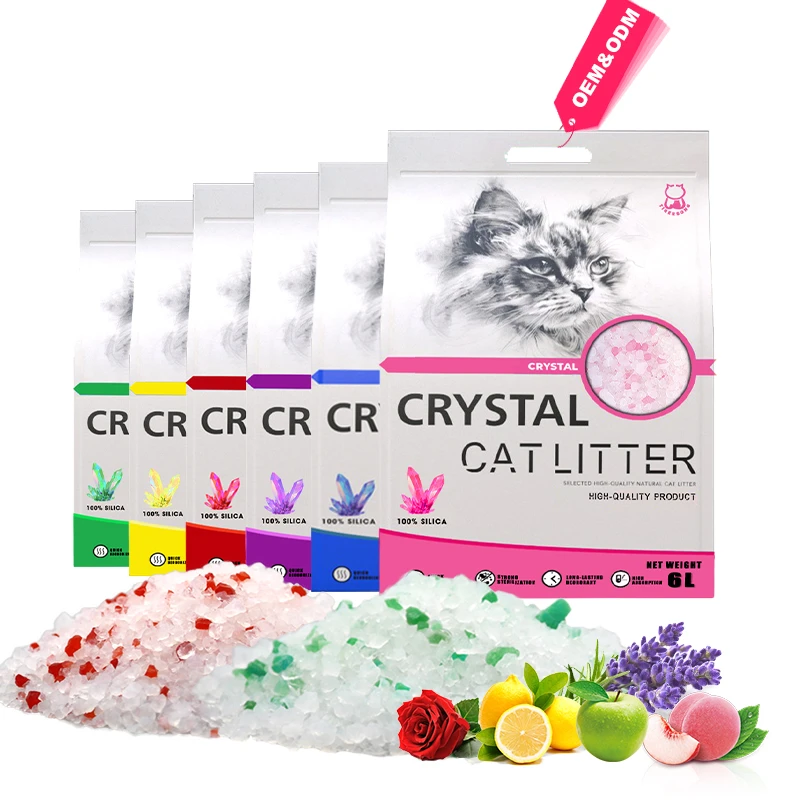
Some designs accommodate various litter types (clumping, crystal, biodegradable), allowing users to pick according to preference or regional availability, which is crucial in global markets with diverse consumer needs.
6. Odor Control Features
Many units integrate charcoal filters or airtight waste compartments to trap odors, a feature that makes living with cats indoors far more bearable.
Product Specification Table
| Feature | Model A | Model B | Model C |
|---|---|---|---|
| Material | ABS Plastic | Polycarbonate | Recycled Plastic |
| Weight Sensor | Yes | No | Yes |
| Odor Control | Charcoal Filter | Airtight Bin | None |
| Litter Types Supported | Clumping & Crystals | Clumping Only | Biodegradable |
| Connectivity | WiFi App | None | Bluetooth |
Mini takeaway: When choosing a self cleaning litter box, it’s worth weighing the features tailored to your pet’s habits and your lifestyle—durability and odor control often top the list.
Global Applications & Use Cases: Making Life Easier Around the World
In dense urban centers like Tokyo or New York, where space is limited and schedules are hectic, automated litter boxes help keep homes fresh without constant attention. Meanwhile, in rural or elderly households—say, in parts of Europe or North America—they reduce physical strain for owners who might struggle with manual litter maintenance.
Interestingly, some animal shelters have started integrating self cleaning litter boxes to improve sanitation during high-volume cat intake, reducing labor costs and decreasing the spread of zoonotic diseases. Similarly, NGOs working in disaster relief sometimes use portable versions during extended emergency stays where proper sanitation is challenging to maintain.
The variability in litter types accepted by these devices also makes them adaptable for international markets, where preferences and litter availability differ substantially.
Advantages & Long-Term Value of Self Cleaning Litter Boxes
- Time savings: Cat owners save 5-10 minutes daily, which adds up.
- Improved hygiene: Reduced exposure to waste lowers infection risks.
- Odor reduction: Keeps indoor environments more pleasant and welcoming.
- Environmental impact: Efficient litter usage means less waste going to landfill.
- Emotional benefits: Owners feel less overwhelmed, leading to stronger human–pet bonds.
- Economic benefits: While initial investment is notable, ongoing savings in litter and fewer vet bills make them cost-effective.
Honestly, it feels like the self cleaning litter box is as much about peace of mind as it is about a clean home.
Future Trends & Innovations in the Self Cleaning Litter Box Industry
The next wave appears to be eco-friendliness and connectivity. Models powered by solar cells or low-energy consumption motors are emerging, alongside built-in waste compactors that reduce landfill volume. Integration with smart home ecosystems—think Alexa or Google Home voice commands—and AI-enabled diagnostics (like detecting illness by analyzing waste) are no longer science fiction.
Biodegradable materials and modular designs also make repairs and prolong product life simpler. Plus, as sustainability standards tighten globally, manufacturers are adapting to ISO standards for waste management devices.
Challenges & How Industry Innovators Are Tackling Them
Two of the bigger headaches remain mechanical reliability and upfront cost. Some older models jam or fail if litter isn’t precisely the right granule size, frustrating users. To combat this, many brands now extensively test with multiple litter types and prioritize easier maintenance steps.
Affordability is still a barrier—especially in emerging markets—but companies are experimenting with subscription models or more basic “smart” boxes to widen access.
Overall, it’s a balance: more innovation versus customer cost plus education.
Vendor Comparison Table
| Feature | CatClean Co. | PurrTech Global | EcoKitty Systems |
|---|---|---|---|
| Starting Price | $300 | $450 | $280 |
| Warranty | 1 Year | 2 Years | 18 Months |
| Odor Control | Charcoal Filter | Airtight Bin + Deodorizer | Natural Absorbers |
| Connectivity | WiFi App | None | Bluetooth |
| Retail Availability | Online & Pet Stores | Online Only | Select Countries |
Frequently Asked Questions About the Self Cleaning Litter Box
Q1: How often do I need to empty the waste compartment?
A1: Most self cleaning litter boxes require emptying once every 1-2 weeks, depending on your cat’s usage and the model’s capacity. Regular emptying ensures optimal odor control and prevents waste buildup that could jam the system.
Q2: Can my cat get scared of the automated cleaning cycle?
A2: Some cats may initially be wary, but many acclimate quickly once they realize the cleaning happens after they leave. Models with quiet motors and adjustable timers help reduce disturbance.
Q3: Will I save money on litter using a self cleaning litter box?
A3: Yes, because these devices sift and separate waste efficiently, they often reduce the amount of litter you use by up to 30% compared to manual scooping.
Q4: Are self cleaning litter boxes suitable for multiple cats?
A4: Many models are designed for multi-cat households, especially those with sensors or microchip recognition to track individual usage and maintain hygiene.
Q5: What types of litter can I use?
A5: Generally, clumping litter is recommended, but some models also work with crystal or biodegradable litter. Always check your product’s specifications to avoid mechanical issues.
Conclusion: Why It Pays to Invest in a Self Cleaning Litter Box
In the grand scheme, the self cleaning litter box isn’t just a gadget—it’s a lifestyle enhancer, a health boost, and a small step toward more sustainable living. Whether you’re navigating busy city life or simply looking for a smarter way to care for your feline friends, these devices offer tangible benefits. The technology continues improving, making now a great time to get on board.
Interested in exploring premium options? Visit the self cleaning litter box collection for cutting-edge products that balance innovation with practicality. Your cat—and your nose—will thank you.
References
Products Categories
Latest News
-
Premium Cat Tree Furniture for Pet Health and Home Harmony
NewsApr.16,2026 -
Choosing the Best Cat Tree Extra Large for Your Feline Friends
NewsApr.09,2026 -
Choosing a Purrfect and Cute Cat Tree for Your Feline Friend
NewsApr.07,2026 -
Choosing the Ideal Cat Tree and Scratching Post for Your Feline Companion
NewsApr.04,2026 -
Discover the Purrfect Cat Tower Pink to Enhance Your Feline Friend's Life
NewsMar.31,2026 -
Choosing the Perfect Cat Tower Furniture for a Happy Feline Friend
NewsMar.28,2026 -
Choosing the Perfect Cat Tower for Two Cats to Enhance Their Wellbeing
NewsMar.26,2026