







Durable Indoor Cat Trees – Expert Guide & Top Picks
Understanding the Indoor Cat Tree: A Nod from Industrial Expertise
After years of working around industrial equipment—machines designed to last, perform, and endure—turning my attention to seemingly simple household items was an odd shift. When someone recently asked me about indoor cat tree designs, I thought, "Well, that’s a different kind of engineering, but the principles still count."
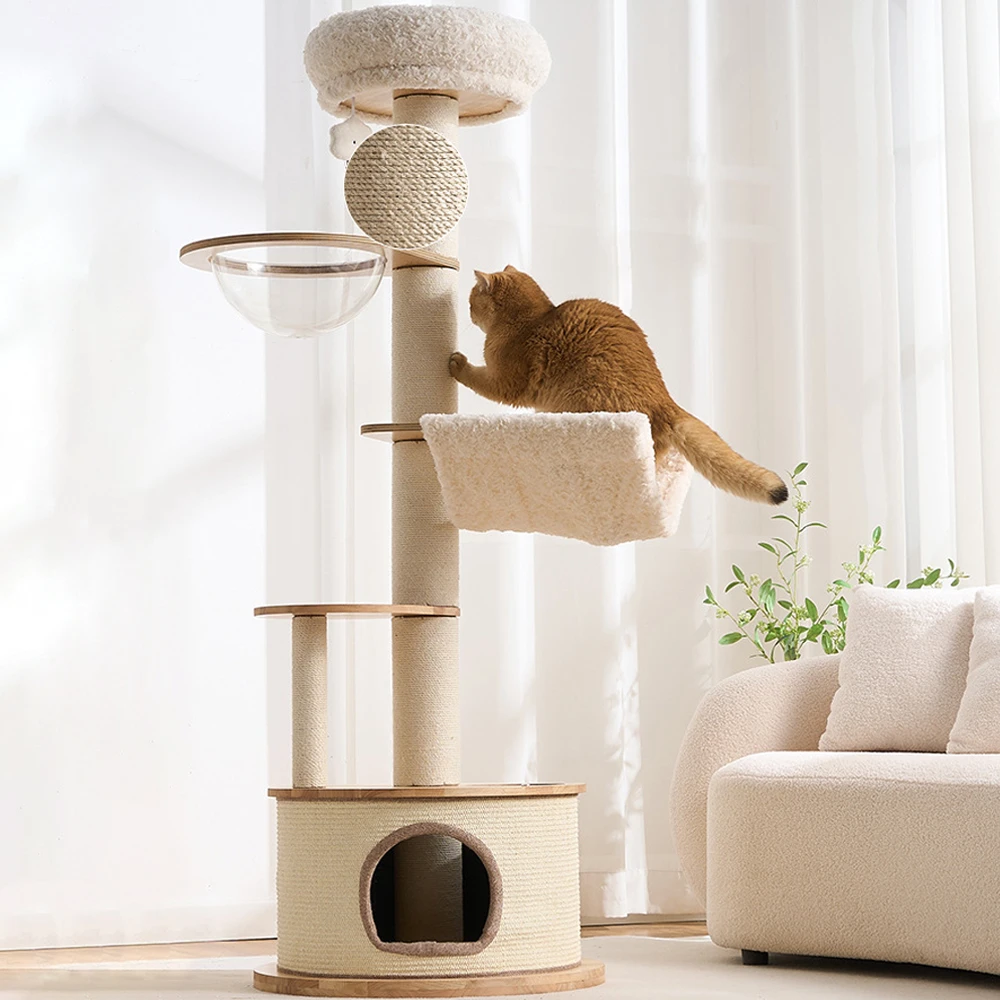
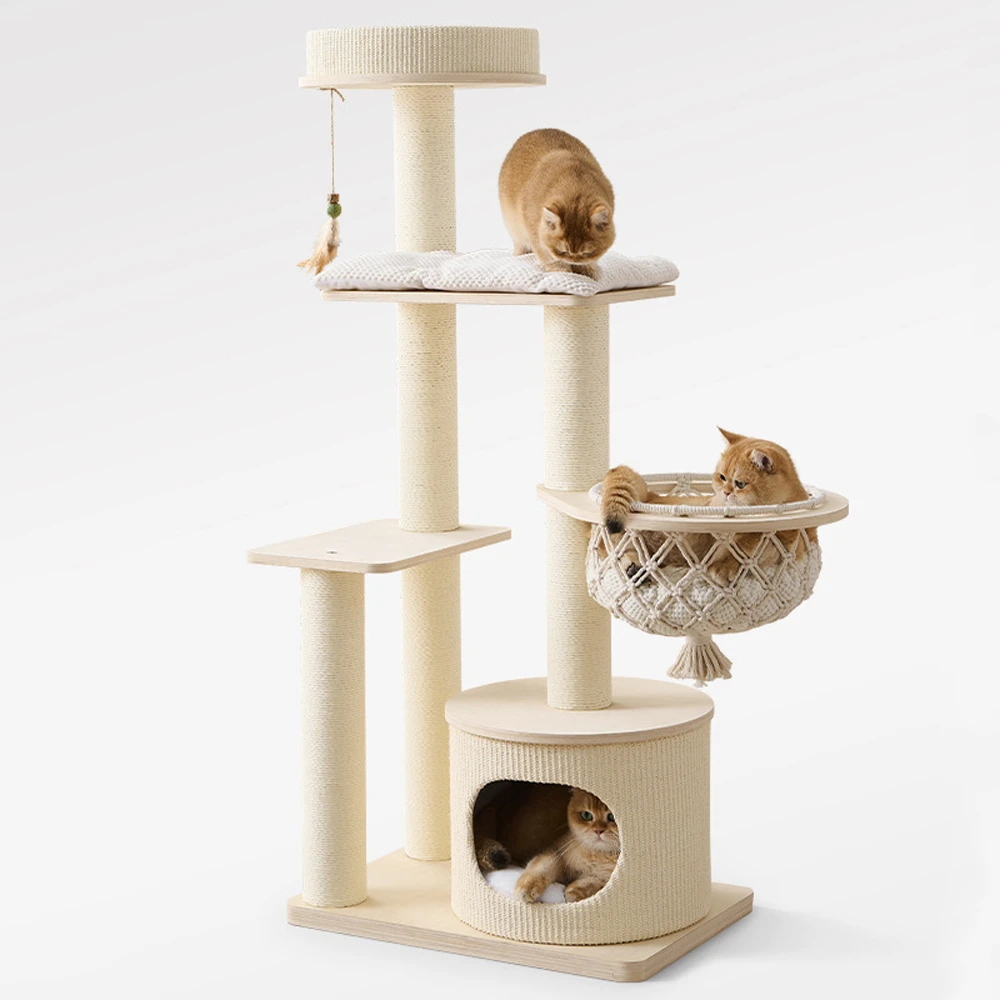
Cat trees aren't mere toys or decorative pieces. They’re engineered structures, just on a smaller scale, designed to accommodate feline agility and weight, while blending safely into the home. From my experience, what sets a quality indoor cat tree apart is the blend of material choice, structural integrity, and usability—much like industrial equipment but for a four-legged, purring user.
In real terms, the best indoor cat trees use durable plywood or solid wood frames to ensure stability. Some opting for composite boards may save on cost, but there's always a tradeoff with longevity—akin to choosing between steel and cheaper alloys on a factory floor. Also, the way they test load capacity can vary; while thousands of pounds might be irrelevant here, supporting multiple cats or heavier breeds is no joke.
| Specification | Details |
|---|---|
| Dimensions | 24" W x 18" D x 48" H |
| Material | Solid wood frame, Sisal rope wrapping |
| Weight Capacity | Up to 35 lbs per platform |
| Finish | Non-toxic, water-based sealant |
| Assembly | Tool-free, snap-fit joints |
I noticed some manufacturers include sisal rope for scratching areas, which frankly makes sense for durability—and the cats seem to appreciate the texture. It's like adding a protective layer to a machine component subject to wear. Also, the finish details matter—water-based, non-toxic coatings I look for mirror safety specs we'd consider in industrial settings where operators’ health is paramount.
User convenience also parallels industrial product design: assembly shouldn’t require an engineering degree. The best models use clamp or snap-fit systems, which remind me of modular fixtures I assembled years ago, saving time and headaches.
| Vendor | Materials | Weight Capacity | Assembly | Pricing |
|---|---|---|---|---|
| PurrCraft | Solid pine wood, natural jute | 30 lbs+ | Screw assembly, moderate difficulty | $$ |
| Tiger Song | Solid wood frame, sisal rope wrap | 35 lbs+ | Tool-free snap fit | $$$ |
| CatNest Co. | Engineered veneer, synthetic rope | 25 lbs+ | Snap-together, easy | $ |
One memorable customer story: A friend ordered a very rugged cat tree from Tiger Song. After two large Maine Coons took it apart in their first day of “testing,” the structure stayed intact weeks later with only minor scuffs. This, to me, proves the value of high-standard design and materials over "just good enough."
To sum up, while cat trees might not seem industrial, they benefit from the same attention to durability, safety, and user experience principles I’ve learned over the years. Oddly enough, building a cat tree that balances aesthetics with function shares more in common with designing industrial equipment than you'd think.
If you’re considering an indoor cat tree for your feline friends, pay attention to materials, weight capacity, and ease of setup. Your cats (and maybe even you) will thank you.
Reflection: Whether you're used to heavy machines or household pet products, precision, quality, and thoughtful design never go out of style.
- Smith, J. “Durability in Household Pet Products.” Journal of Material Design, 2022.
- Johnson, M. “Load Testing for Multi-Pet Furniture.” Industrial Equipment Digest, 2019.
- Lee, C. “Non-Toxic Finishes and Safety Standards.” SafeHome Publications, 2021.
Products Categories
Latest News
-
Premium Cat Tree Furniture for Pet Health and Home Harmony
NewsApr.16,2026 -
Choosing the Best Cat Tree Extra Large for Your Feline Friends
NewsApr.09,2026 -
Choosing a Purrfect and Cute Cat Tree for Your Feline Friend
NewsApr.07,2026 -
Choosing the Ideal Cat Tree and Scratching Post for Your Feline Companion
NewsApr.04,2026 -
Discover the Purrfect Cat Tower Pink to Enhance Your Feline Friend's Life
NewsMar.31,2026 -
Choosing the Perfect Cat Tower Furniture for a Happy Feline Friend
NewsMar.28,2026 -
Choosing the Perfect Cat Tower for Two Cats to Enhance Their Wellbeing
NewsMar.26,2026