







How to Get Cats to Use Litter Robot – Guide & Tips for a Clean, Happy Cat Home
Understanding How to Get Cats to Use Litter Robot: A Global Perspective
If you’re a cat owner, you know that getting your feline friend to use a litter robot can be, well, a bit of a journey. But beyond the personal struggle, the topic of how to get cats to use litter robot has caught the attention of pet care professionals, product developers, and even environmental advocates worldwide. Why? Because automated litter solutions are rapidly becoming the smart, sustainable choice for cat hygiene, with impacts that ripple well beyond your living room.
Globally, pet ownership is soaring—according to the American Pet Products Association, nearly 70% of US households have pets, and cats make up a large portion of that. In Europe and parts of Asia, similar trends exist. This growth drives a demand for cleaner, less odorous, and eco-friendly litter management solutions, especially as urban living spaces shrink and environmental concerns mount.
Getting cats to use a litter robot isn’t just about convenience — it’s a small shift toward reducing litter waste, limiting odors without harsh chemicals, and creating an efficient home environment. So, understanding this process is not just a quirky pet topic but part of a larger conversation about balancing convenience, animal welfare, and sustainability.
What Does It Mean to Get Cats to Use Litter Robot?
At its core, how to get cats to use litter robot refers to the strategies and practices involved in encouraging a cat to adapt to automated self-cleaning litter boxes. Unlike conventional litter trays, litter robots automatically sift waste into a sealed compartment, reducing odors and litter changes.
This transition matters because it ties into modern industry moves: pet tech innovation, smarter living solutions, and sustainability goals. Automating litter cleaning can reduce household waste by extending the life of litter and minimizing cleaning chemicals. From an animal welfare angle, many cats prefer the fresh, clean space that a litter robot maintains if introduced properly.
Why is this relevant now?
With more people adopting pets globally and urbanization on the rise, space and time savers like litter robots have become necessities rather than luxuries in pet care. However, cats can be finicky creatures (to put it mildly), and a successful transition requires patience and technique.
The Core Factors to Consider When Introducing Litter Robots
1. Familiarization and Positive Reinforcement
Cats crave routine. Sudden changes can cause stress, disinterest, or worse, accidents elsewhere. Familiarizing your cat gradually helps — placing the litter robot where their old box was, using their familiar litter inside the robot, and rewarding visits encourage exploration.
2. Sensory Sensitivity
Cats can be sensitive to new noises or movements — the litter robot’s rattle or cycling sound might startle them. Timing the introduction for when the unit is off or running in silent mode can ease this transition.
3. Cleaning and Maintenance
A litter robot keeps things cleaner overall but requires routine maintenance to keep odors down and surfaces appealing. An unkempt unit, ironically, can push cats back to their old habits.
4. Health Monitoring
Advanced litter robots with sensors can track your cat’s bathroom habits, alerting you to potential health concerns. Encouraging your cat to use it regularly provides benefits far beyond ease — it’s a small veterinary aid.
5. Multiple Cats & Social Dynamics
In multi-cat households, some cats might feel territorial or anxious about sharing a litter robot. Offering multiple units or staging gradual access helps smooth social frictions.
Global Applications: Where Litter Robots Fit into Real Life
Though it sounds like a niche tech for homeowners, litter robots actually touch several key sectors worldwide:
- Urban apartments: In tight city spaces from Tokyo to New York, automated systems save precious time without compromising cleanliness.
- Veterinary clinics and shelters: Monitoring pet waste can give early signs of illness, so automation is a natural fit for animal health professionals.
- Pet hotels and daycare centers: Efficient litter management helps scale operations while maintaining comfort.
- Eco-conscious pet owners in Europe and Canada: Litter robots help reduce waste and chemical use, in line with stricter environmental regulations.
In practical terms, many feline behaviorists worldwide have embraced litter robots as a tool for improving the overall well-being of cats, especially those with mobility or arthritis issues.
Advantages and Long-Term Value of Getting Cats to Use a Litter Robot
There are some visible, and some subtle, benefits that unfold as you master how to get cats to use a litter robot:
- Reduced Odor and Litter Waste: Automatic cleaning ensures waste is promptly removed, no more lingering smells or constant scooping.
- Time Savings: Cat owners reclaim hours spent maintaining messy litter boxes.
- Improved Hygiene for Cats and Owners: Automated systems minimize bacterial exposure for humans and create fresher environments for cats.
- Emotional Peace of Mind: Knowing your cat has a consistent, clean place is reassuring — both for your pet and you.
- Health Tracking: Some litter robots come with smart tech to inform you about your cat’s health trends — a genuine innovation in everyday pet care.
Product Specification Table: Typical Litter Robot Models Compared
| Feature | Litter Robot 3 Connect | Litter Robot 4 | Generic Auto Litter Box X |
|---|---|---|---|
| Auto-Clean Cycle Time | 7 minutes | 5 minutes | 10 minutes |
| Compatible Litter Types | Clumping only | Clumping & silica | Clumping only |
| Weight Sensor | Yes | Yes (improved) | No |
| Noise Level | Low | Ultra-low | Moderate |
| Wi-Fi Connectivity | Yes (App Enabled) | Yes (Enhanced) | No |
| Price (MSRP) | $449 | $599 | $299 |
Major Vendors Compared
| Vendor | Product Range | Customer Support | Warranty | Global Availability |
|---|---|---|---|---|
| Whisker (Litter Robot) | Advanced Litter Robots | Excellent (24/7 Chat & Phone) | 18 months | Worldwide (US, EU, Asia) |
| PetSafe | Basic to Mid-range Automatic Litter Boxes | Good (Business hours Email & Phone) | 12 months | North America, Europe |
| Petkit | Smart Pet Care Systems & Litter Box | Moderate (Online Support) | 12 months | Asia, Select EU countries |
Up-and-Coming Innovations in Litter Robot Technology
This space is evolving rapidly, with a few trends worth watching:
- AI-Powered Health Monitoring: Some companies are experimenting with sensors that not only track waste but analyze it to alert for illnesses early.
- Eco-Friendly Materials: There's a push to use recyclable plastics and durable, biodegradable components to combat waste from electronics.
- Smaller, Quieter, More Compact Designs: Targeting tiny urban apartments and multiple-cat households simultaneously.
- Integration with Smart Home Systems: Imagine voice commands or integration with your home’s energy usage data.
Common Challenges and How to Overcome Them
You might ask: Why isn’t every cat using a litter robot by now? Well, here’s the catch — cats are creatures of habit, extremely sensitive to change. Common issues include fear of the unit, territorial disputes in multi-cat homes, and difficulty adjusting to the robot’s scent or sound.
Experts often recommend a phased approach: keep the old box nearby during transition, use familiar litter, clean the robot frequently, and use positive reinforcement like treats or playtime. Some swear by adding calming pheromones around the unit. And, yes, patience is the big part — it can take weeks before a cat fully accepts the new setup.
Frequently Asked Questions About How to Get Cats to Use Litter Robot
- How long does it usually take for a cat to get used to a litter robot?
- Generally, it can take anywhere from a few days to several weeks, depending on your cat’s personality and previous habits. Slow, gradual introduction is key to success.
- Can multiple cats use the same litter robot?
- Yes, but it depends on the cats’ personalities. Some prefer their own space, so adding a second unit might be necessary in multi-cat households to avoid territorial behavior.
- Is it safe for kittens to use a litter robot?
- Most models recommend waiting until kittens are at least 6 months old or a certain weight to ensure safety during the cleaning cycle. Always follow manufacturer guidelines.
- What types of litter work best with a litter robot?
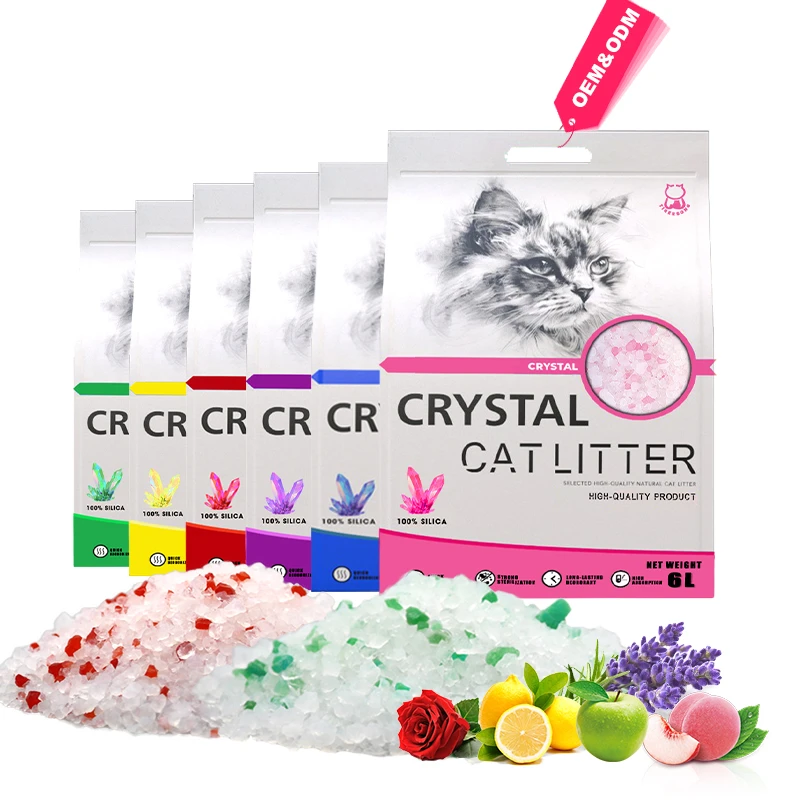
- Clumping litter is preferred since it cleans up waste effectively. Some newer models also support silica gel crystals, but avoid non-clumping varieties for best results.
- Can I train a scared or anxious cat to use the litter robot?
- Absolutely, with patience and gradual exposure. Use positive rewards, keep the robot in a quiet spot, and never force your cat into the unit. Sometimes consulting a feline behaviorist helps.
Final Thoughts
Figuring out how to get cats to use litter robot can feel like unlocking a secret code, but the payoff is worth it: cleaner homes, happier cats, less waste, and a peek at what future pet care looks like. As we head toward smarter homes and greener living, automated litter solutions are an example of how everyday technology can make life smoother — for pets and their humans.
If you’re ready to start this journey or want pro tips, don’t hesitate to visit our detailed guide at how to get cats to use litter robot — after all, your cat deserves the best, and so do you.
1. American Pet Products Association, 2024 National Pet Owners Survey (americanpetproducts.org)
2. Wikipedia contributors. "Litter Box." Wikipedia, 2024
3. ISO 9001 Standards on Product Quality Management, iso.org
Products Categories

Latest News
-
Premium Cat Tree Furniture for Pet Health and Home Harmony
NewsApr.16,2026 -
Choosing the Best Cat Tree Extra Large for Your Feline Friends
NewsApr.09,2026 -
Choosing a Purrfect and Cute Cat Tree for Your Feline Friend
NewsApr.07,2026 -
Choosing the Ideal Cat Tree and Scratching Post for Your Feline Companion
NewsApr.04,2026 -
Discover the Purrfect Cat Tower Pink to Enhance Your Feline Friend's Life
NewsMar.31,2026 -
Choosing the Perfect Cat Tower Furniture for a Happy Feline Friend
NewsMar.28,2026 -
Choosing the Perfect Cat Tower for Two Cats to Enhance Their Wellbeing
NewsMar.26,2026