







How to Use Self Cleaning Litter Box: Guide to Cleaner, Smarter Cat Care
How to Use Self Cleaning Litter Box: A Practical Guide to Convenience and Hygiene
If you’re a pet owner, you probably know the daily hassle of scooping the litter box — an unpleasant chore that many dread. Enter the self cleaning litter box, a marvel designed to simplify pet care, improve hygiene, and offer peace of mind. But beyond the convenience, understanding how to use self cleaning litter box solutions properly can mean a healthier environment for you and your feline friend, reduced odors, and even cost savings over time.
Why Does This Matter Globally?
Worldwide, pet ownership continues to rise steadily. According to the American Pet Products Association, over 67% of U.S. households have a pet, and this trend echoes globally. More cats at home mean more litter boxes — and potential sanitation issues if not managed well. Moreover, in urban environments where space and odor control are critical, self-cleaning systems bring tangible benefits. This topic overlaps with broader concerns like public health, waste management, and sustainable living, making it more than just a convenience item.
What Is a Self Cleaning Litter Box?
Simply put, a self cleaning litter box is an automated device designed to scoop or otherwise separate used cat litter from clean litter at preset intervals, depositing waste into a sealed compartment or bag. This drastically reduces human contact with cat waste and keeps the litter fresh longer.
These smart boxes typically combine sensors, motors, and specially designed trays to deliver a near hands-free experience. They’re part of a growing smart pet care market that embraces technology to improve both animal welfare and owner convenience.
Key Factors to Focus On
1. Mechanism & Operation
The heart of any self cleaning litter box is its mechanism — some use rotating trays, others rake systems. Knowing how your specific model works helps in setup and troubleshooting. For example, rake systems may clear litter more thoroughly but can be noisier.
2. Sensor Accuracy and Timing
Most models rely on sensors to detect when a cat has used the box and start cleaning after a delay. This delay is crucial so the litter can clump properly and waste is removed efficiently. Poor sensor design can lead to premature cleaning or missed cycles — frustrating both owner and pet.
3. Litter Compatibility
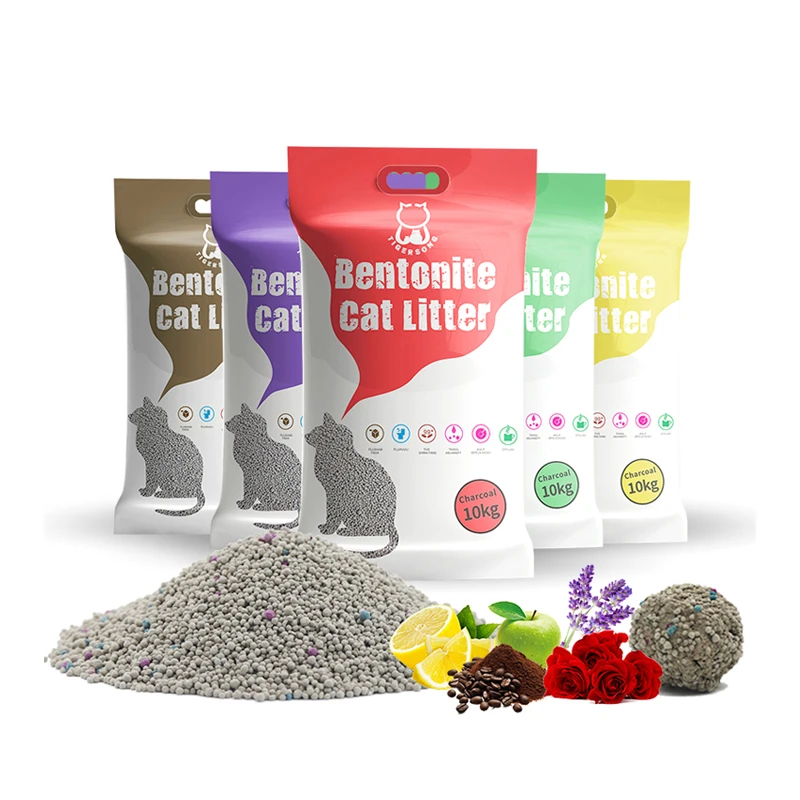
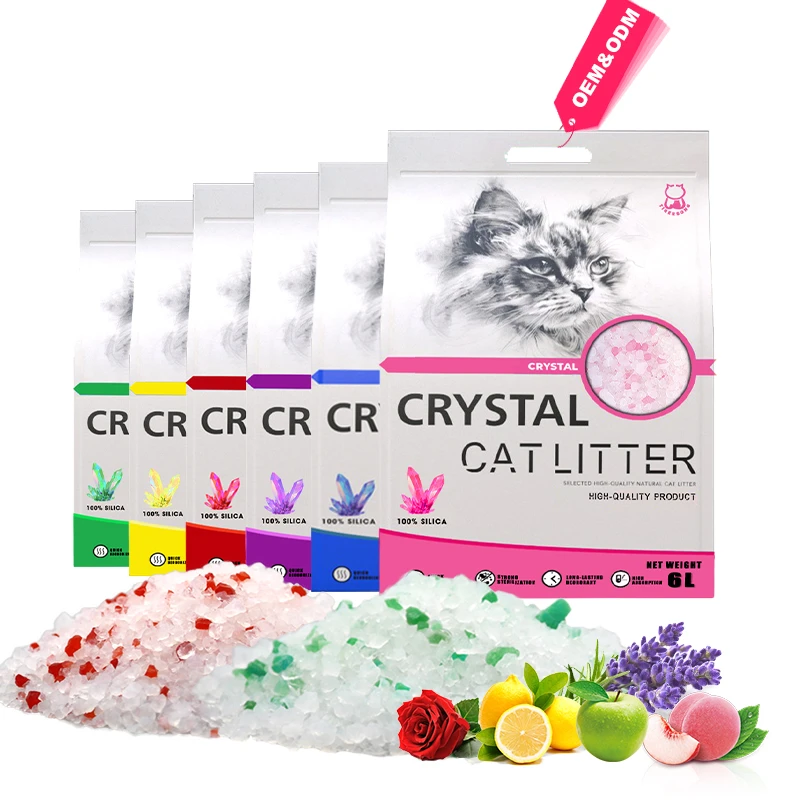
Not all litter types work with automated boxes. Many recommend clumping clay or crystal litter. Using incompatible litter can interfere with waste detection and clog mechanisms.
4. Capacity and Waste Storage
Depending on brand and model, the size of waste compartments varies. Larger capacities mean less frequent emptying but also a bigger footprint. Enough storage space is key for multi-cat households.
5. Ease of Cleaning and Maintenance
Though “self cleaning” implies less manual labor, regular maintenance is still necessary. Models with easily removable trays and washable components save time and extend product lifespan.
6. Noise Level
Cats can be sensitive to noise. The quieter the mechanism, the more likely your pet will accept the box without hesitation.
Product Specifications At a Glance
| Model | Mechanism | Litter Type | Waste Capacity | Noise Level |
|---|---|---|---|---|
| LitterRobot 4 | Rotating globe | Clumping clay, hybrid | Weeks (for 1 cat) | Low |
| PetSafe ScoopFree | Rake and conveyor | Crystal litter only | Up to 2 weeks | Moderate |
| ChillX AutoEgg | Raking arm | Clumping litter | 1 week | Low |
Vendor Comparison
| Brand | Price Range | Warranty | Smart Features | Customer Service |
|---|---|---|---|---|
| LitterRobot | $450-$500 | 18 months | WiFi app, notifications | Excellent |
| PetSafe | $200-$250 | 12 months | None | Good |
| ChillX | $300-$350 | 24 months | App, health tracking | Very Good |
Global Applications & Use Cases
On a practical level, self cleaning litter boxes thrive in households with busy schedules, multi-cat homes, or seniors who might struggle with traditional litter maintenance. Oddly enough, these systems have also found their way into animal shelters and veterinary clinics where hygiene is paramount and time is short.
Internationally, countries with high urban density like Japan and South Korea value compact, automated litter boxes because space is tight and odor control is non-negotiable. In contrast, in pet-friendly markets in North America and Europe, buyers often look for features like smartphone integration and health monitoring.
For instance, in the aftermath of natural disasters, shelter environments have experimented with self cleaning litter boxes to reduce waste handling burdens — a niche but vital application.
Advantages & Long-Term Value
- Reduced odor and improved hygiene: Automatic scooping means waste doesn’t linger.
- Convenience: Less scooping, less mess, and fewer litter changes.
- Cost-effectiveness: Using just the right amount of litter and waste collection bags saves money over time.
- Environmental benefits: Some models optimize litter usage, reducing waste volume.
- Pet health monitoring: Advanced models track usage patterns for early illness detection.
Emotionally, these devices can help pet owners feel they’re providing a cleaner, more comfortable environment — a trust-building factor between animals and people.
Future Trends & Innovations
Looking ahead, expect to see more eco-friendly materials in construction — biodegradable waste liners, sustainably sourced plastics, even solar-powered options. Digital transformation continues, with enhanced Wi-Fi integration for remote monitoring and alerts.
Some developers are exploring AI that learns your cat’s habits for more personalized cleaning cycles. Also, modular designs offering easier upgradability and repair could extend product lifespans in line with circular economy goals.
Challenges & Solutions
Despite their innovation, self cleaning litter boxes aren’t without problems. Some cats reject the unfamiliar noise or movement, necessitating a gradual introduction. Sensor misfires or jams can frustrate owners. And yes, the initial cost remains a barrier for some.
Solutions? Experts advise slow transition periods and choosing a model tailored to your cat’s personality. Regular maintenance, as per manual guidelines, keeps systems running smoothly. Some vendors now offer trial periods or lease options to reduce upfront costs.
FAQ: Common Questions About How to Use Self Cleaning Litter Box
Q1: What type of litter should I use for a self cleaning litter box?A1: Most self cleaning litter boxes work best with clumping clay or crystal litter because their granules clump together and are less likely to clog the mechanism. Avoid non-clumping or biodegradable litters unless the manufacturer specifies compatibility.
Q2: How often do I need to empty the waste compartment?
A2: This depends on the number of cats and the box model’s capacity, but generally every 1-2 weeks for a single cat. Multi-cat households may need more frequent emptying to prevent odors.
Q3: Can all cats adapt to a self cleaning litter box easily?
A3: Not all do, but many cats adjust over a few days to weeks. To help, place the new box next to the old one, and allow your cat to explore it without activating the cleaning cycle initially.
Q4: What if the self cleaning litter box jams or malfunctions?
A4: Regular cleaning and using the recommended litter type minimize jams. Most models include error alerts or reset functions. Contact customer service if problems persist.
Q5: Are self cleaning litter boxes energy efficient?
A5: While they use electricity, many models consume minimal power, comparable to a small household appliance. Some newer designs incorporate energy-saving modes or solar options.
Conclusion
Mastering how to use self cleaning litter box isn’t just about convenience — it’s a step towards healthier living spaces, smarter pet care, and sustainable household management. As these systems evolve, they promise to integrate better with our lifestyles and even support pet wellness in unexpected ways. So if you’re tired of the scoop-and-sweep, it might just be time to invest in one — your nose (and cat) will thank you.
Explore more tips and product reviews at Tiger Song.
Takeaway: Proper use of self cleaning litter boxes merges technology with practical cat care, enhancing hygiene, convenience, and pet well-being globally.
Products Categories
Latest News
-
Premium Cat Tree Furniture for Pet Health and Home Harmony
NewsApr.16,2026 -
Choosing the Best Cat Tree Extra Large for Your Feline Friends
NewsApr.09,2026 -
Choosing a Purrfect and Cute Cat Tree for Your Feline Friend
NewsApr.07,2026 -
Choosing the Ideal Cat Tree and Scratching Post for Your Feline Companion
NewsApr.04,2026 -
Discover the Purrfect Cat Tower Pink to Enhance Your Feline Friend's Life
NewsMar.31,2026 -
Choosing the Perfect Cat Tower Furniture for a Happy Feline Friend
NewsMar.28,2026 -
Choosing the Perfect Cat Tower for Two Cats to Enhance Their Wellbeing
NewsMar.26,2026