







Pet Litter Box Automatic Reviews & Guide | Effortless Cat Care Solutions
Why the Rise of the Pet Litter Box Automatic Matters in Our Busy Lives
Let's be honest—if you've ever owned a cat, you know how often that litter box needs attention, right? The pet litter box automatic concept isn't just a trendy gadget for pampered pets. It's a small but powerful leap towards convenience, hygiene, and environmental care for millions of pet owners globally. Understanding how these automated systems work, and why they've gained traction worldwide, offers insight into a niche yet fast-evolving segment of pet care technology.
From busy urbanites in New York juggling work and pets, to elderly cat guardians wanting less physical effort, the pet litter box automatic offers real relief—no more scooping by hand, less odor, and healthier environments for both human and feline inhabitants. We'll dig into its components, global relevance, and even peek at what the next decade holds for this increasingly popular convenience tech.
Pet Litter Box Automation in a Global Context: What’s Driving the Change?
Pet ownership statistics are striking. According to the World Pet Association, over 85 million households in the US alone have a pet, and cats are the second most popular companion animal worldwide, accounting for roughly 370 million cats globally (1). With more single-person households and urban living spaces growing smaller, the time and space to maintain a cat’s hygiene are stretched thin.
Meanwhile, environmental and public health agencies like the EPA emphasize indoor air quality and waste management in the home. This overlaps perfectly with the benefits an automatic pet litter box brings: effectively reducing airborne dust and bacteria frequently stirred up by manually scooping litter.
So really, the global shift is part convenience, part necessity. The rise in pet ownership coupled with higher awareness of sustainable living puts automated litter boxes in a sweet spot for innovation and real-world adoption.
Mini takeaway: Globally, the pet litter box automatic is more than luxury. It meets urban lifestyle demands, health guidelines, and busy schedules all at once.
What Exactly Is a Pet Litter Box Automatic?
In simplest terms, a pet litter box automatic is a self-cleaning cat box designed to reduce the effort needed to maintain litter hygiene. Instead of scooping out the waste manually every day, the box uses sensors, motors, and sometimes sophisticated algorithms to detect when your cat is done using it and then automatically remove clumps of waste into a separate sealed compartment.
One could say it's a marriage of pet care with home automation. More than that, these boxes represent a step forward in improving sanitation and convenience in domestic life—the kind of modern "little luxury" that enhances quality of life and pet welfare simultaneously.
Breaking Down the Basics: Core Components of an Automatic Pet Litter Box
1. Sensors and Detection
Most automated litter boxes rely heavily on infrared or weight sensors to know when your cat enters or leaves. Without these, the cleaning cycle could activate prematurely or leave waste unattended.
2. Waste Separation and Disposal Mechanisms
This is the heart of the device—usually a rotating rake, conveyor, or sifting system that sweeps and deposits waste into a disposable compartment or bag. The technology varies from model to model, affecting efficiency and noise levels.
3. Odor Control Systems
Automatic litter boxes often feature activated charcoal filters, sealed waste compartments, or ionizers to help keep unpleasant smells at bay. This is a big advantage, especially in smaller apartments.
4. Power Supply and Safety
Most units run on AC power with battery backups. Safety features include auto-shutoff when cats enter during cleaning or sensors to avoid jamming the internal mechanisms.
5. Materials & Build Quality
Durable plastics, non-toxic materials, and easy-to-clean components ensure longevity and safe use around pets and kids.
Pet Litter Box Automatic in Action: Global Use Cases
While it might sound like a “nice to have,” you'll find these devices filling key niches worldwide:
- Urban Apartments in Asia: Tokyo and Seoul are hot markets for automated litter boxes due to tiny living spaces and demanding work cultures.
- Senior Pet Owners in Europe: Older adults with limited mobility appreciate the reduced physical strain.
- Animal Shelters and Veterinary Clinics: These boxes save labor and improve hygiene during high-traffic use.
- Luxury Pet Hotels and Boarding Facilities: Here, efficiency translates directly into better scalability of care.
Oddly enough, even some airlines have explored using automated litter boxes in airborne pet cabins. The technology keeps evolving!
Specifications Comparison: Typical Automatic Pet Litter Box Models
| Feature | Model A | Model B | Model C |
|---|---|---|---|
| Sensor Type | Infrared | Weight | Motion + Timer |
| Waste Disposal | Rotating rake | Sifting conveyor | Shaking sieve |
| Noise Level | Low | Medium | High |
| Odor Control | Charcoal filter | Sealed bin | Ionizer |
| Power Supply | AC + battery backup | AC only | Rechargeable battery |
Four Major Vendors Compared Side-by-Side
| Vendor | Price Range | Warranty | Special Feature | Availability |
|---|---|---|---|---|
| CatEase | $150 - $250 | 1 year | Smart app integration | North America, EU |
| LitterTech | $200 - $350 | 2 years | Self-cleaning + deodorizer | Global |
| AutoLoo | $100 - $180 | 6 months | Lightweight & portable | North America, Australia |
| PurePaws | $250 - $400 | 3 years | Voice alerts & health monitoring | Global |
Why You’ll Love Automating Your Cat’s Litter Box
Besides the obvious time saved and hands-free waste removal, there’s a surprisingly large emotional win here. Cleaner spaces mean healthier families, and for many, their pets are part of that family. Less odor, less scooping means less stress. You can even feel a little more modern, a little more empowered, kind of like having your little "robot assistant" around.
Long-term, automated litter boxes reduce litter waste and contribute to cleaner indoor air quality. Some models even let you monitor your cat’s bathroom habits, an early warning indicator for health issues. It’s a blend of practicality and innovation that appeals beyond mere convenience.
What’s Next? Trends and Innovations on the Horizon
- Energy Efficiency & Eco-Friendly Materials: Expect future models to incorporate solar power trickle charging or biodegradable components, trimming environmental impact.
- IoT & Smart Home Integration: Pretty soon, your automatic litter box will talk to your smartphone, your vet, or even your smart home hub.
- Advanced Waste Processing: Imagine bio-composting units built-in or even waste-to-energy mini modules.
- Customization: Companies will offer tailor-fit sizes and designs to suit breeds, household styles, or multi-cat homes.
Some Challenges That Still Lurk & How Experts Solve Them
The reality? Not every cat adapts quickly to automated boxes, especially older, more cautious felines. Noise can scare some pets away, too. Cleaning and maintenance, while reduced, still require regular attention to keep sensors reliable.
Experts suggest slow introductions—placing the machine next to their old litter box, gradual familiarization, and reading your pet’s mood closely. Also, vendors are constantly improving quieter motors and more user-friendly maintenance designs to keep things smooth.
FAQ: What Pet Owners Commonly Ask About Pet Litter Box Automatic
- Q: How often do I need to empty the waste compartment?
- A: Generally, every 1–2 weeks depending on your cat’s usage and box size. Models with larger bins offer longer intervals.
- Q: Can multiple cats use the same automatic litter box?
- A: Many models support multi-cat households, but it's important to check manufacturer recommendations and possibly adjust cleaning frequency accordingly.
- Q: Is the automatic litter box safe for kittens?
- A: Kittens can usually use these, but supervision is advised initially as they get used to the moving parts. Some sensors might be less responsive to very small weights.
- Q: Do I have to buy special litter?
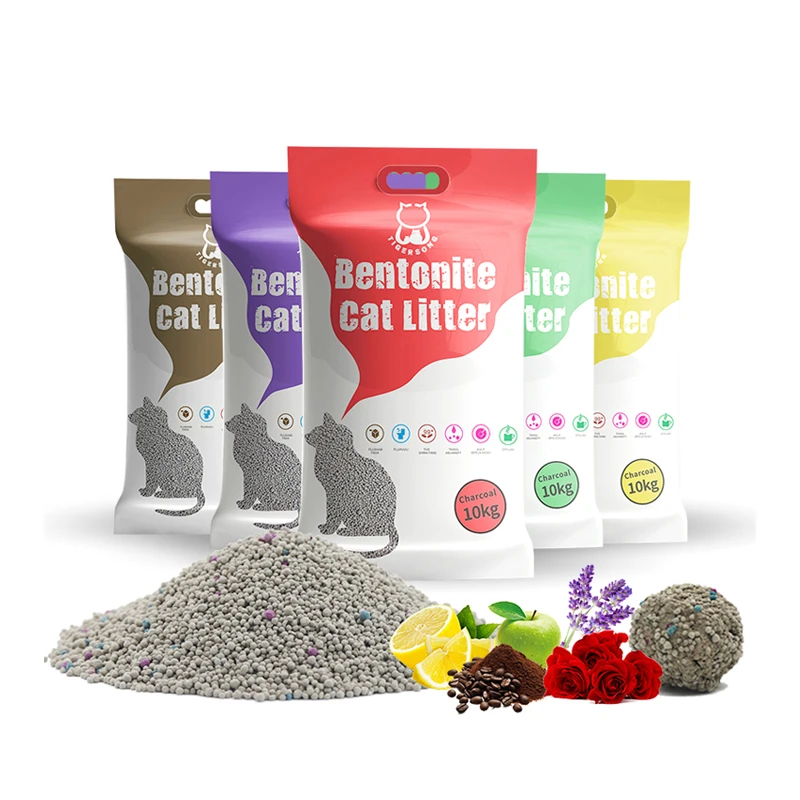
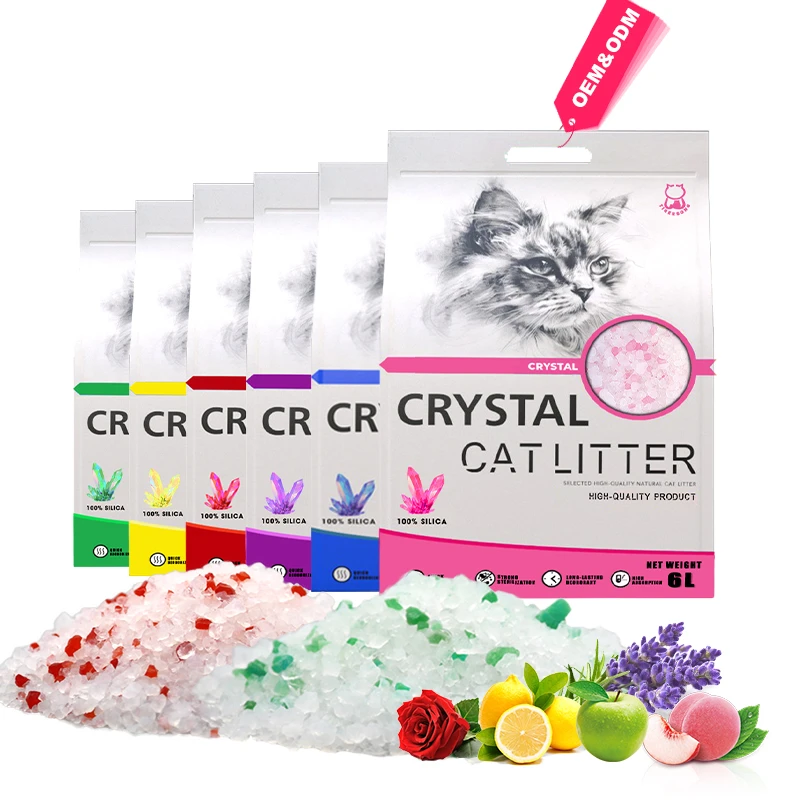
- A: Most automatic boxes work best with clumping clay litters, but some compatible models use crystal or silica-based litters. Always follow the specific product guidelines.
- Q: What if the power goes out?
- A: Many units include battery backup systems, but it's prudent to have a manual scooping plan if the outage extends.
Wrapping Up: A Small Gadget That Makes Life Significantly Easier
All told, the pet litter box automatic is a quietly revolutionary tool that suits modern lifestyles. From busy urban centers to cozy countryside homes, its blend of technology and pet care enhances wellbeing, saves time, and helps keep the environment cleaner. If you want to leap into this hassle-free future, check out smart options like the one on pet litter box automatic — your cat (and nose!) will thank you.
References
- World Pet Association Statistics, 2023 Edition – worldpetassociation.org
- EPA Indoor Air Quality Guidelines – epa.gov
- ISO 9001 Quality Management in Automated Consumer Products – iso.org
Products Categories
Latest News
-
Premium Cat Tree Furniture for Pet Health and Home Harmony
NewsApr.16,2026 -
Choosing the Best Cat Tree Extra Large for Your Feline Friends
NewsApr.09,2026 -
Choosing a Purrfect and Cute Cat Tree for Your Feline Friend
NewsApr.07,2026 -
Choosing the Ideal Cat Tree and Scratching Post for Your Feline Companion
NewsApr.04,2026 -
Discover the Purrfect Cat Tower Pink to Enhance Your Feline Friend's Life
NewsMar.31,2026 -
Choosing the Perfect Cat Tower Furniture for a Happy Feline Friend
NewsMar.28,2026 -
Choosing the Perfect Cat Tower for Two Cats to Enhance Their Wellbeing
NewsMar.26,2026