







Small Self Cleaning Litter Box | Compact, Hygienic & Efficient Cat Care Solutions
The Small Self Cleaning Litter Box: Why It’s a Game Changer Worldwide
Pet ownership has soared globally, with millions welcoming cats into their homes. This rise brings a challenge many owners silently battle: keeping litter boxes clean, odor-free, and convenient. The small self cleaning litter box offers a smart, practical solution that not only makes life easier for caregivers but also promotes hygiene and environmental benefits. Understanding this tool better helps pet lovers embrace technology, reduce waste, and provides greater peace of mind in busy, modern lives.
Why the Small Self Cleaning Litter Box Matters Globally
Across continents, urbanization and smaller living spaces make managing pets’ sanitation tricky. According to the World Bank, over 55% of the global population now lives in urban areas, a trend expected to rise to 68% by 2050. In cramped apartments or condos, a traditional litter box can quickly become a nuisance or hygiene risk.
Moreover, millions of stray and shelter cats worldwide increase the demand for cleaner, efficient litter management in confined spaces. This is where the compact, automatic litter box shines. It reduces manual scooping by up to 75%, lowers odor, and lessens environmental impact through optimized waste disposal. This small marvel bridges comfort, health, and tech — all in a reasonably sized package.
Mini Takeaway
The small self cleaning litter box tackles urban pet sanitation issues head-on, offering a scalable, health-conscious solution for the growing global pet population.
What Exactly Is a Small Self Cleaning Litter Box?
Simply put, a small self cleaning litter box is an automated pet toileting system designed primarily for cats. It uses sensors, motors, and sometimes smart app connectivity to rake, filter, and separate waste from clean litter without human intervention. The “small” tag emphasizes its compact footprint, ideal for limited spaces without sacrificing function.
This innovation taps into modern needs — fast-paced lifestyles, space constraints, and rising awareness of hygiene and air quality. It avoids the mess and smell issues tied to traditional boxes and fits into smart home ecosystems increasingly common worldwide.
Key Aspects of Small Self Cleaning Litter Boxes
1. Compactness & Design
Space is premium these days. Many designers focus on sleek, small-scale units that fit in nooks or closets, while still offering enough volume for the average cat’s needs. Rounded edges and enclosed lids help trap odor and reduce litter scatter — details that seriously improve real-life satisfaction.
2. Sensor Technology
Motion detectors and weight sensors activate cleaning cycles only after the cat leaves, ensuring hassle-free operation. Some advanced models even detect multiple cats and adjust accordingly. This tech is sometimes borrowed from industrial sensors used in other autonomous equipment.
3. Waste Management
Waste racks or rotating drums sift clumps into sealed compartments, which can be later emptied or bagged. The system usually avoids unnecessary litter waste by cleaning selectively. Some even include deodorizing agents and absorbent layers for freshness.
4. Power Consumption & Maintenance
Since many run on electricity, efficient motors and sleep modes keep power use low. Maintenance involves periodic emptying and cleaning cycles that are minimized by automated schedules, saving users tedious chores.
5. Cost Efficiency
While upfront prices vary, long-term savings come from reduced litter usage and less time spent cleaning. For those with multiple cats or mobility challenges, the time and labor saved can justify the initial investment quickly.
Mini Takeaway
- Smart sensors and compact design merge to offer convenient, hygienic pet care that's surprisingly efficient.
- Proper waste disposal and low-power consumption boost sustainability and user-friendliness.
How These Boxes Are Changing Lives: Real-World Applications
From bustling cities in Europe to small apartments in Asia, these compact units find homes where space and cleanliness matter most. Shelters and foster homes report less odor and easier cleaning routines, promoting healthier environments for vulnerable cats. Animal welfare orgs also use them in quarantine areas or temporary care setups — places that demand tight hygiene standards but limited space.
Oddly enough, in some disaster relief shelters accommodating pets, these small self cleaning litter boxes improve hygiene drastically, preventing disease spread and offering dignified care to displaced animals and their owners alike.
Even upscale hotels and pet-friendly offices deploy them to enhance guest comfort while minimizing staff labor.
Mini Takeaway
In many corners of the world, including shelters, apartments, and disaster zones, small self cleaning litter boxes prove invaluable. They support better hygiene, dignity, and operational ease in varied, demanding environments.
Tangible Benefits You Can’t Ignore
- Reduced manual labor: Imagine cutting scooping time in half, every day.
- Improved hygiene: Less odor and bacteria exposure for owners and pets.
- Waste reduction: Efficient litter use helps household budgets and the environment.
- Pet health monitoring: Some models track usage patterns, hinting at health issues early.
- Peace of mind: Even the busiest or elderly pet owners feel reassured.
Not to forget, the emotional comfort of knowing your cat’s needs are met with dignity and respect — it’s a small thing, but it matters.
Looking Ahead: Innovations & Trends to Watch
The future of small self cleaning litter boxes is already bright. Emerging materials like antimicrobial plastics and biodegradable liners reduce environmental footprint. Integration with AI and IoT means smarter health tracking and app alerts, turning litter boxes into wellness hubs.
Some companies are exploring solar-powered or energy-harvesting units to reduce reliance on traditional power sources — a game changer for off-grid or low-resource locations.
Overcoming the Hurdles: What’s Holding Us Back?
Despite these advances, price remains a barrier for many. Maintenance can be tricky for less tech-savvy users, and sensor failures or jams do happen — though improvements in engineering help mitigate these issues.
Education is key; many users appreciate tutorials and awesome customer support to maximize product lifespan and satisfaction. Manufacturers also respond with modular designs, allowing easier part swaps and upgrades.
FAQs About Small Self Cleaning Litter Boxes
- Q: How often do I need to empty the waste compartment?
- A: Depending on the model and number of cats, waste compartments typically require emptying every 3 to 7 days. Many units have indicators or alerts to let you know.
- Q: Are these litter boxes safe for kittens?
- Yes, but it’s advisable to check manufacturer guidelines. Some models have weight thresholds or sensor delays intended for adult cats and might not detect kittens initially.
- Q: Can I use any type of litter in these boxes?
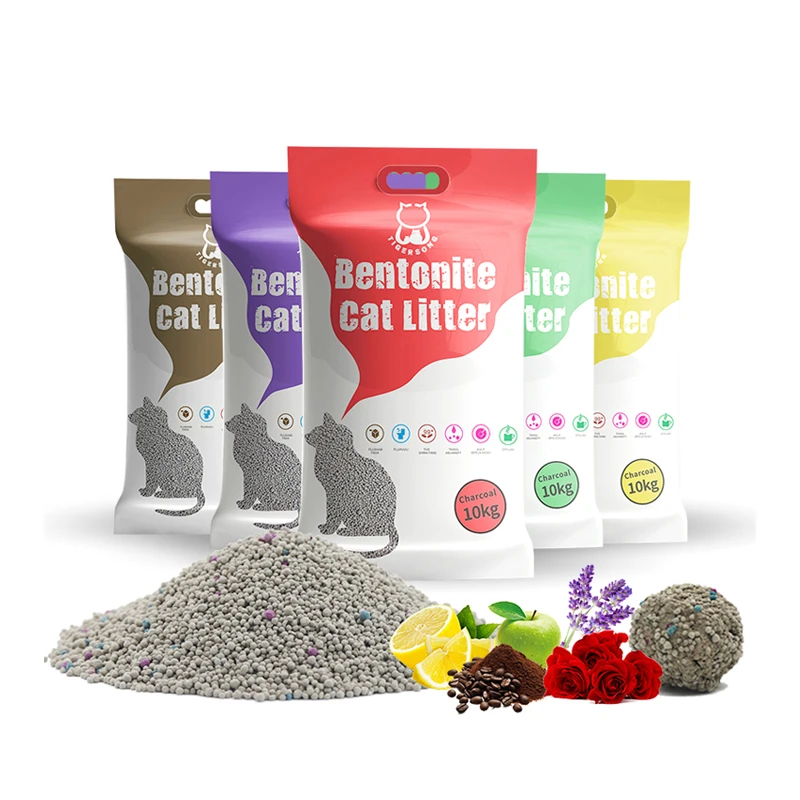
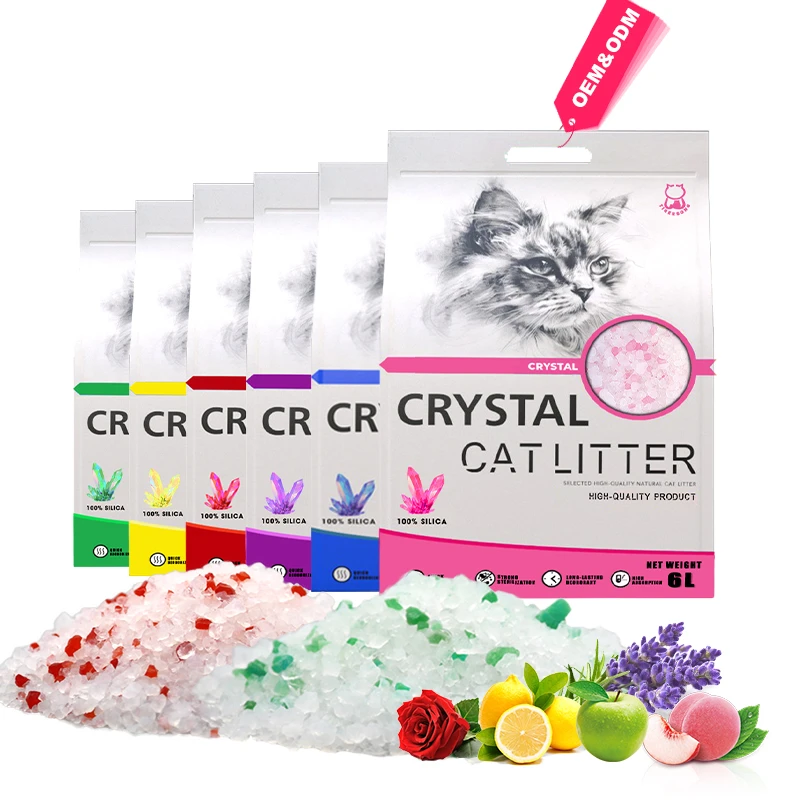
- While many self cleaning litter boxes are compatible with clumping litters, it’s best to avoid crystals or non-clumping types that could clog mechanisms. Always consult your product manual.
- Q: What happens during a power outage?
- Most models allow manual scooping and have battery backup options. It’s wise to keep traditional scooping tools handy just in case.
Wrapping It Up: Why Small Self Cleaning Litter Boxes Are Worth It
In the swirl of daily demands and growing urban life, a small self cleaning litter box quietly solves many pet-related headaches. It harmonizes technology with pet care, boosts hygiene, and saves time — a rare trifecta in smart home tech. Whether you’re a multitasking professional, elderly pet owner, or shelter staffer, these compact devices deliver lasting value.
If you’re curious to learn more or want to explore a range of options that fit your space and budget, check out our small self cleaning litter box collection. Trust me, your future self (and your cat) will thank you.
| Attribute | Specification |
|---|---|
| Dimensions | 18" L x 16" W x 16" H |
| Weight Capacity | Up to 25 lbs (11.3 kg) |
| Power Source | 110V AC / Battery Backup |
| Cleaning Cycle Duration | 3 minutes |
| Litter Type Compatible | Clumping clay litter |
| Noise Level |
| Feature | KittyClean Pro | AutoLitter 360 | PurrfectEase Mini |
|---|---|---|---|
| Price | $250 | $300 | $220 |
| Cleaning Method | Raking | Rotating Drum | Sifting Tray |
| Sensor Tech | Motion & Weight | Infrared | Weight Only |
| Mobile App | Yes | No | Yes |
| Warranty | 2 years | 1 year | 2 years |
Final Thoughts
When technology meets the humble litter box, magic happens — or at least, life gets a little easier. The small self cleaning litter box addresses a subtle but universal problem, wrapping convenience, hygiene, and sustainability into a neat little package. It's refreshing to see how thoughtful design and smart tech impact daily pet care across the world.
Whether you’re juggling a busy schedule, managing multiple cats, or simply passionate about cleaner, smarter living, these devices offer compelling benefits that feel tailored just for modern households.
References:
Products Categories
Latest News
-
Premium Cat Tree Furniture for Pet Health and Home Harmony
NewsApr.16,2026 -
Choosing the Best Cat Tree Extra Large for Your Feline Friends
NewsApr.09,2026 -
Choosing a Purrfect and Cute Cat Tree for Your Feline Friend
NewsApr.07,2026 -
Choosing the Ideal Cat Tree and Scratching Post for Your Feline Companion
NewsApr.04,2026 -
Discover the Purrfect Cat Tower Pink to Enhance Your Feline Friend's Life
NewsMar.31,2026 -
Choosing the Perfect Cat Tower Furniture for a Happy Feline Friend
NewsMar.28,2026 -
Choosing the Perfect Cat Tower for Two Cats to Enhance Their Wellbeing
NewsMar.26,2026