




Sourcing reliable absorbents for feline waste management is a critical operational decision for pet retail businesses and large-scale shelters. The variability in material composition—from traditional bentonite to modern biodegradable alternatives—directly impacts customer retention and logistics costs.
As the market shifts toward sustainability and "smart" hygiene, the criteria for selecting partners have evolved beyond simple pricing. Businesses now prioritize supply chain stability, customizable packaging, and the chemical safety of the raw materials used in production.
Whether you are expanding a product line or optimizing operational overhead, understanding the landscape of wholesale cat litter suppliers is essential for maintaining a competitive edge in the pet care industry.


The industry has moved past a one-size-fits-all approach. Today, the market is segmented into mineral-based options like bentonite and silica, and organic alternatives including tofu, cassava, pine, and bamboo. Each substrate offers distinct advantages in terms of odor control, weight, and disposal methods.
For procurement managers, this diversification means that a single supplier may not meet all customer needs. Partnering with a comprehensive source like Hebei TigerSong E-commerce Co., Ltd. allows businesses to access a full spectrum of products—from coconut shell to paper litter—under one logistical umbrella, reducing the complexity of managing multiple vendor contracts.
Absorbency is not merely about the volume of liquid held but the speed of saturation and the integrity of the resulting clump. In mineral litters, the sodium bentonite concentration determines how effectively the material seals moisture, preventing liquid from reaching the bottom of the tray and reducing bacterial growth.
Organic litters utilize different mechanisms. Tofu and cassava litters rely on plant-based fibers and natural starches to create a cohesive bond. The technical challenge here is balancing the "clump strength" with "biodegradability," ensuring the litter remains stable during scooping but breaks down efficiently in composting environments.
From a wholesale perspective, consistency in granule size is paramount. Variations in diameter can lead to uneven clumping or increased tracking, which are primary drivers of consumer dissatisfaction. Professional suppliers implement strict screening processes to ensure every batch adheres to a specific micron range.
Effective sourcing for pet consumables requires a balance between volume pricing and quality assurance. Many buyers make the mistake of focusing solely on the cost per kilogram, overlooking the impact of dust levels and packaging durability on the final retail value.
The most successful wholesale strategies prioritize "Supply Chain Consolidation." By sourcing complementary products—such as smart litter boxes and grooming tools—from the same entity, businesses can significantly lower freight costs and synchronize delivery schedules.
Customization also plays a vital role. The ability to design bespoke packaging allows brands to differentiate themselves in a crowded market. Suppliers capable of providing OEM services enable retailers to move from generic commodity selling to brand-equity building.
When evaluating different substrates, procurement teams often use a weighted index to determine which product fits a specific market segment. Factors such as odor neutralization, clumping speed, and eco-friendliness are measured against consumer preferences.
The following index illustrates the relative strengths of the most common materials provided by professional wholesale cat litter suppliers, helping buyers align their inventory with target demographics.
The rise of the Smart Cat Litter Box has fundamentally changed the requirements for litter. Automatic cleaning mechanisms require a specific granule size and clumping speed to ensure the sifting process occurs without clogging the machine or leaving residue.
Suppliers that offer both the hardware (Smart Boxes) and the compatible consumables (Litter) provide a seamless ecosystem. This vertical integration reduces the risk of mechanical failure and ensures that the end-user achieves the maximum efficiency from their automated hygiene investment.
Environmental regulation is driving a massive shift toward compostable and flushable options. The industry is seeing a decline in synthetic silica in favor of bamboo and corn-based polymers. This transition is not just ethical but strategic, as consumers are increasingly willing to pay a premium for "green" certified products.
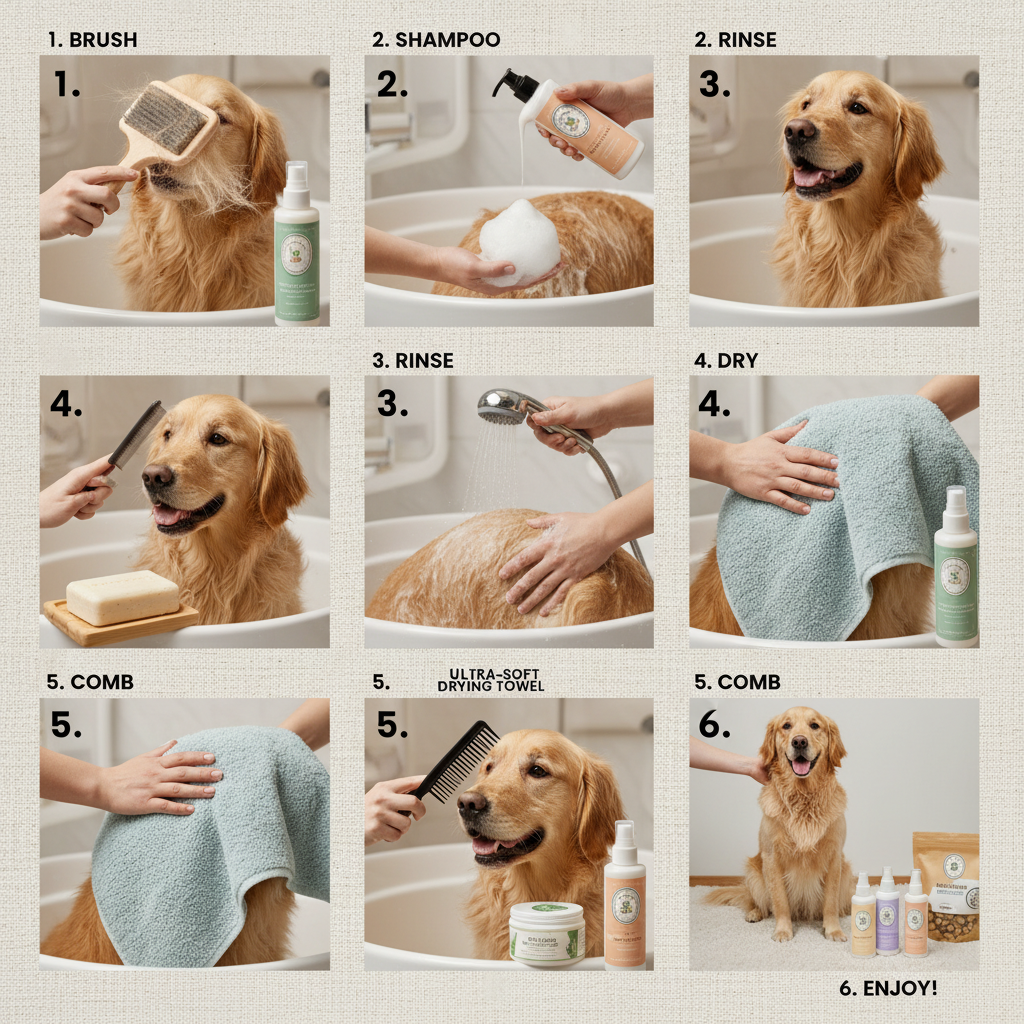
Furthermore, the focus is expanding to the entire "Pet Hygiene" lifecycle. This includes the synergy between waste management and overall grooming. For example, maintaining a clean environment via quality litter reduces the frequency of deep-cleaning baths, where tools like multifunctional pet bath brushes are then used for maintenance rather than emergency cleaning.
We anticipate a trend toward "hybrid litters"—combining the odor-blocking power of minerals with the biodegradability of organic fibers—to capture the benefits of both worlds without the associated trade-offs.
Choosing the right partner requires a structured evaluation of their capabilities. A supplier should be judged not just on their current catalog, but on their ability to scale and innovate. The capacity for one-stop procurement is a significant advantage in reducing administrative overhead.
When assessing potential partners, procurement officers should look for transparency in raw material sourcing and a proven track record of quality control across different product categories. A supplier that handles everything from cat trees to smart boxes likely possesses a more robust logistical infrastructure.
The following table provides a decision framework for matching litter types to specific market needs and supplier capabilities.
| Material Type | Primary Use Case | Key Selection Factor | Sourcing Priority |
|---|---|---|---|
| Bentonite | Mass Market / Budget | Clump Hardness | Volume Stability |
| Tofu/Cassava | Eco-conscious / Urban | Flushability | Organic Certs |
| Silica Gel | Low-maintenance / Long-term | Odor Absorption | Chemical Purity |
| Pine/Bamboo | Allergy-prone / Natural | Scent Profile | Sustainable Harvest |
| Paper/Coconut | Kitten / Sensitive Skin | Softness/Texture | Dust-free Grade |
| Hybrid Mix | Premium / Smart Box | Sifting Efficiency | Technical R&D |
A professional supplier, such as Hebei TigerSong, typically possesses direct control over the production chain or established agency rights for a wide variety of styles. They offer value-added services like customized packaging design, technical guidance on material compatibility for smart litter boxes, and a one-stop-shop model that covers multiple categories from cleaning tools to travel accessories, whereas traders often lack the capacity for customization and technical support.
Smart boxes rely on precise sifting mechanisms. If the litter is too heavy, too sticky, or produces oversized clumps, it can strain the motor or cause the sensor to misread the waste levels. Using litter specifically optimized for automatic systems—often available through specialized wholesale suppliers—ensures a smoother sifting process, reduces mechanical wear, and extends the overall operational lifespan of the device.
In high-humidity areas, materials with higher natural absorption and anti-mold properties are preferred. Tofu and cassava litters generally perform better than pine pellets, which can sometimes absorb ambient moisture. When sourcing, look for substrates that include natural odor-neutralizing agents and have a high density to prevent the litter from becoming "mushy" before it is scooped.
Technically yes, but it is not recommended for commercial distribution. Mixing different substrates (e.g., bentonite and tofu) can create inconsistent clumping patterns and may interfere with the performance of automatic litter boxes. If a specific performance profile is needed, it is more effective to work with a supplier capable of professional formulation and R&D to create a consistent, tested hybrid product.
The primary drivers are raw material volatility, shipping volume (due to the high weight of mineral litters), and packaging complexity. To optimize costs, businesses should look for suppliers that offer "one-stop" procurement for other pet products, allowing them to consolidate shipments. Additionally, choosing the right substrate—balancing weight versus effectiveness—can significantly reduce long-term logistics expenses.
Quality verification should involve three tests: a "clump strength test" (measuring how much pressure a clump can take before breaking), a "dust test" (observing particulate release during pouring), and an "absorption rate test" (timing how quickly liquid is locked). Compare these results against your current best-selling product to ensure the new sample meets or exceeds consumer expectations before placing a bulk order.
The shift toward specialized and sustainable feline hygiene reflects a broader trend in the pet industry: the move from commodity products to solution-oriented care. For retailers and distributors, the goal is no longer just to find the cheapest material, but to curate a portfolio that addresses specific user pain points—whether that is environmental impact, odor control, or compatibility with smart technology.
By partnering with diversified wholesale cat litter suppliers who can provide a comprehensive range of substrates and integrated accessories, businesses can reduce operational risk and provide superior value to the end consumer.