







What Is a Cat Tree with Ladder? Benefits, Trends & Buying Guide
What Is a Cat Tree with Ladder and Why It Matters Globally
If you’ve ever shared your home with a curious feline, you know how essential it is to keep them entertained, exercised, and engaged. A cat tree with ladder is a specialized piece of furniture designed not just to satisfy a cat’s playful instincts but also to enhance their agility and comfort. Globally, as pet ownership rises—consider data from the World Pet Association showing pet industry sales hitting over $125 billion worldwide—providing enriching environments for cats has become more than just a luxury; it’s a necessity for healthy indoor cats.
Understanding the benefits and applications of a cat tree with ladder touches on broader themes like animal welfare, innovation in pet products, and even urban living trends that affect people and pets alike. So . . . why bother? Because when cats get proper stimulation, owners see happier pets, which means less destructive behavior and stronger human-animal bonds.
Introduction: The Global Relevance of Cat Trees with Ladders
Oddly enough, the humble cat tree reflects a larger societal movement toward pet-friendly homes and lifestyles. Today, millions of urban dwellers keep pets indoors due to apartment living and safety concerns. According to the American Veterinary Medical Association (AVMA), about 25% of U.S. households own cats, and the numbers are growing in Asia and Europe too.
One challenge that comes up often is providing enough vertical space and exercise for indoor cats, which naturally like to climb and survey their environment from above. This is where the cat tree with ladder shines—offering multi-level platforms connected by easy-to-navigate ladders, helping cats climb safely and explore vertically.
Defining a Cat Tree with Ladder
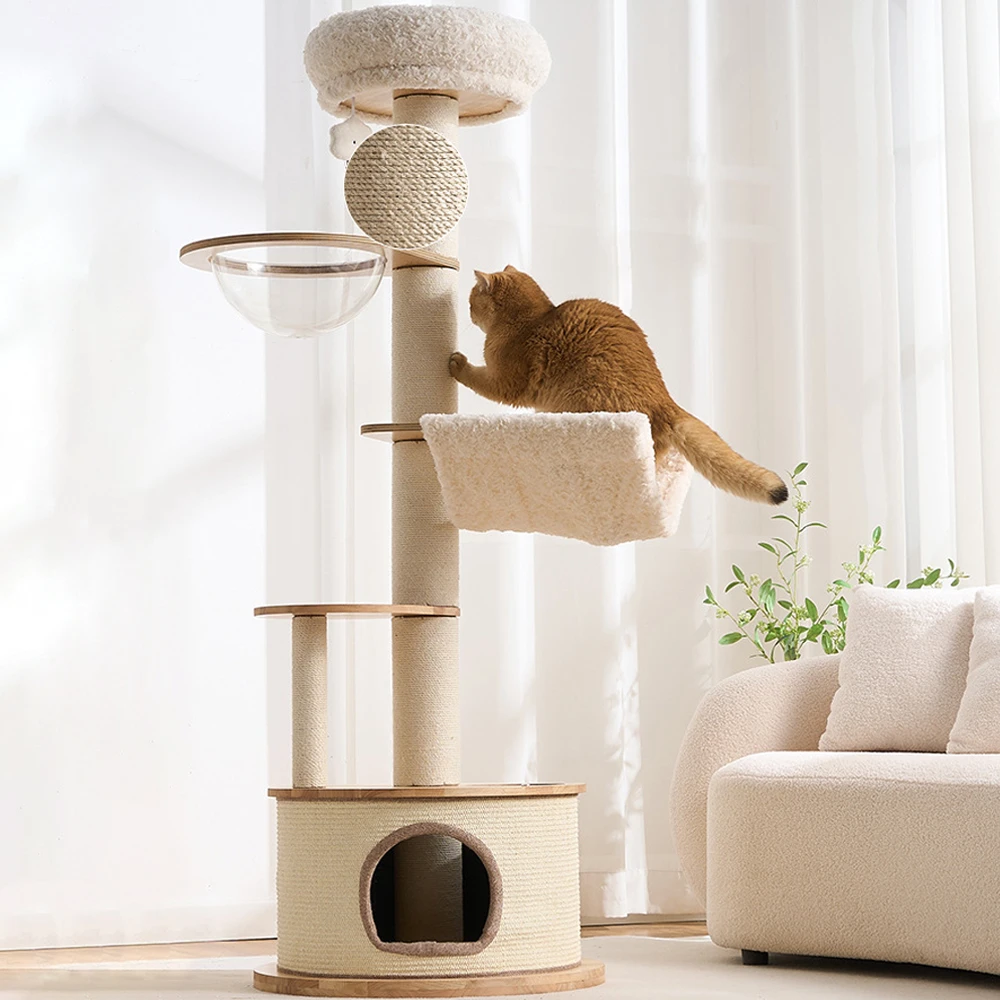
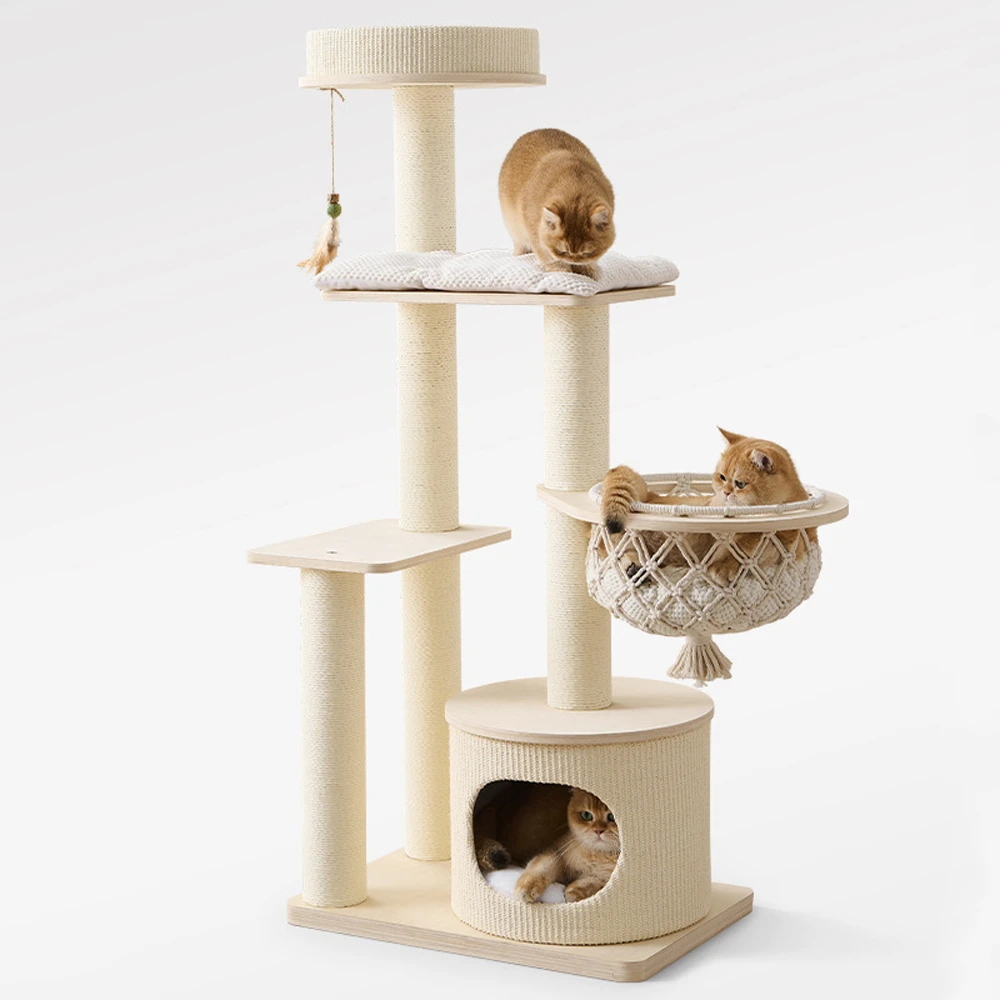
Put simply, a cat tree with ladder is a vertical playground for cats that integrates one or more ladder components. These ladders serve as ramps or step-like access points connecting platforms, beds, scratching posts, or lookout towers.
It’s far from a lifeless scratch post—you can think of it as “cat architecture,” designed with ergonomics, safety, and natural climbing instincts in mind. This enhances not just feline fitness but supports mental stimulation, reducing stress and boredom.
Technical breakdown:
- Material: Often built from wood, sisal rope, carpet, MDF, or eco-friendly composites.
- Structure: Multi-tiered, providing various heights and angles.
- Ladder function: Connects levels safely; sometimes adjustable or foldable.
- Additional features: Beds, hiding spots, toys, and scratching surfaces.
Key Factors of Cat Trees with Ladders
1. Durability and Build Quality
Most pet owners want something that lasts, frankly. A sturdy cat tree with ladder means stable frames and quality materials that tolerate vigorous scratching, climbers jumping, and occasional “cat chaos.” Typical materials include knot-free wood or recycled MDF panels, with sturdy anchors for the ladders.
2. Safety & Ergonomics
Ladders must be designed with cat paws in mind—non-slip surfaces, appropriate rung spacing, and gentle inclines. You don’t want your best friend slipping off and getting hurt, right?
3. Size and Scalability
Whether you have one kitten or a multi-cat household, these setups vary widely. Some cat trees with ladders are compact for small apartments, others are sprawling structures over six feet tall. Scalability lets owners add or remove ladders or platforms to suit growing or changing needs.
4. Cost Efficiency
Pricing ranges widely, but investing in quality saves money long-term. Cheaper models may fade or wobble quickly, while premium products often come with warranties and safer materials.
5. Aesthetic and Customization
Many folks want pieces that fit their home décor too, so customization options—color, finish, ladder design—can make a difference.
Global Applications and Use Cases
More than a mere pet accessory, cat trees with ladders have found interesting applications worldwide:
- Urban Apartments in Japan: Limited space has driven innovative vertical cat furniture design, balancing compact size with multi-level play.
- Veterinary Clinics: Providing rehabilitation spaces for injured cats to regain mobility using ladders safely.
- Animal Shelters: To reduce stress and stimulate rescue cats during long-term stays.
- Luxury Pet Hotels: Incorporating floor-to-ceiling cat trees with ladders for enriched guest experiences.
Mini Takeaway
Across the globe, cat trees with ladders contribute to feline well-being whether in tiny studios or sprawling homes, clinics, and shelters.
Advantages & Long-Term Value
- Promotes Healthy Exercise: Cats are natural climbers; ladders encourage activity, helping with weight management and muscle strength.
- Reduces Stress & Behavioral Issues: Vertical exploration provides mental enrichment, diminishing boredom-driven scratching or aggression.
- Safe & Durable Solution: Well-made cat trees with ladders withstand years of use, minimizing replacement costs and hazards.
- Enhances Home Aesthetics: Modern designs are attractive, blending into homes without feeling like a “pet clutter” eyesore.
- Emotional Bonding: Watching cats confidently climb and relax up high creates joy and trust between pet and owner.
Future Trends and Innovations
What’s next for the cat tree with ladder? With sustainability on everyone’s mind, increasing numbers of manufacturers are adopting eco-friendly materials like bamboo and recycled plastics. Digital integration is also budding—think smart cat trees with embedded activity trackers or adjustable ladder angles via apps.
Meanwhile, customization through 3D printing or modular “build your own” kits allows owners to tailor pieces precisely to their cats’ needs, bringing a new level of personalization to pet furniture.
Challenges & Solutions
The main sticking points are often around:
- Space Constraints: Some homes just don’t have room for big ladders or tall structures. Solution? Compact, foldable ladders that tuck away when not in use.
- Material Safety: Cheaper glue or paint can release toxins. Look for certifications and ask vendors about non-toxic finishes (ISO standards often apply here).
- Assembly Difficulty: Complex setups intimidate some owners. Clear instructions and online tutorial videos help tremendously.
Product Specification Table
| Feature | Specification | Typical Material |
|---|---|---|
| Height | 3 to 6 feet (adjustable) | Wood or MDF |
| Ladder Type | Inclined steps or rungs | Wood or carpet-covered MDF |
| Platforms | Perches, beds, hiding spaces | Carpet, plush fabric, sisal |
| Weight Capacity | Up to 50 lbs per platform | Solid wood frame |
| Non-toxic Finish | Certified VOC-free paint | Water-based sealant |
Vendor Comparison Table
| Brand | Material Quality | Price Range | Customization | Sustainability Credentials |
|---|---|---|---|---|
| WhiskerWood | Premium hardwood | $250 - $500 | Colors & fabric options | Eco-certified paint |
| ClimbEase | MDF with carpet | $150 - $300 | Modular add-ons | Partial recycled materials |
| EcoPurr | Bamboo & recycled plastic | $200 - $450 | Fully customizable | 100% sustainable sourcing |
FAQ: Frequently Asked Questions About Cat Trees with Ladders
1. Can all cats use ladders on a cat tree, even older or less agile ones?
Most cats can adapt well to ladders if they are built with gradual angles and non-slip surfaces. Older or less agile cats might prefer shorter ladders or ramps. Some designs offer adjustable ladder heights or steps for accessibility. Always observe your cat initially to ensure comfort and safety.
2. How easy is it to assemble a cat tree with ladder?
Assembly varies by model but many modern cat trees come with straightforward manuals and required tools. Some brands also offer video tutorials online. If you’re nervous, modular or simplified designs minimize complex steps, or you could enlist a handy friend for help.
3. Are cat trees with ladders suitable for multi-cat households?
Absolutely. Multi-level platforms connected with ladders provide ample space for multiple cats to climb, rest, and play. It helps reduce territorial conflicts by giving each cat private or elevated spots while encouraging social climbing.
4. What maintenance is required for a cat tree with ladder?
Routine vacuuming or brushing to remove fur and dust is recommended. Check ladder rungs for wear or loosening. If fabric or carpet covers get dirty, some covers are removable and washable. Also, inspect for any splinters or loose screws regularly to keep it safe.
5. Can buying eco-friendly cat trees truly make a difference?
Yes. Selecting cat furniture made with sustainable materials and non-toxic finishes reduces environmental impact and indoor air pollution for you and your pet. Certifications (e.g., FSC for wood) can help identify greener options.
Conclusion: Enhancing Cat and Owner Lives with Cat Trees and Ladders
In real terms, a well-designed cat tree with ladder is a smart investment not just for pet entertainment but for long-term health and happiness. They blend function and form, meeting cats’ natural inclinations while fitting modern lifestyles.
So if you want to see your furry friend joyfully climbing, exploring, and relaxing in safe comfort, it’s worth exploring the options. Visit our website to discover expertly crafted cat trees designed for every home and feline personality.
Thanks for reading—may your cats climb high and land softly!
References
Products Categories

Latest News
-
Premium Cat Tree Furniture for Pet Health and Home Harmony
NewsApr.16,2026 -
Choosing the Best Cat Tree Extra Large for Your Feline Friends
NewsApr.09,2026 -
Choosing a Purrfect and Cute Cat Tree for Your Feline Friend
NewsApr.07,2026 -
Choosing the Ideal Cat Tree and Scratching Post for Your Feline Companion
NewsApr.04,2026 -
Discover the Purrfect Cat Tower Pink to Enhance Your Feline Friend's Life
NewsMar.31,2026 -
Choosing the Perfect Cat Tower Furniture for a Happy Feline Friend
NewsMar.28,2026 -
Choosing the Perfect Cat Tower for Two Cats to Enhance Their Wellbeing
NewsMar.26,2026