







What Litter Can You Use in the Litter Robot? A Guide to Compatibility & Best Choices
Understanding What Litter Can You Use In The Litter Robot — Why It Matters
Whether you’re a cat parent or a savvy retailer, knowing what litter can you use in the Litter Robot is more relevant than you might think. As more pet owners worldwide adopt smart litter solutions, understanding the best litter options goes beyond convenience — it impacts your cat's health, environmental footprint, and the device’s longevity. With nearly 25% of American households owning cats (APPA 2023), and adoption rates rising globally, this topic has a surprisingly broad footprint. Getting it right means fewer clogs, less dust, and happier cats (and owners!).
Seeing the Bigger Picture: Global Context for Choosing Litter in the Litter Robot
The automated pet care market, valued in the billions, grows with an increased awareness of pet welfare and smart home integration. According to the World Bank, urban pet ownership, particularly of cats, is rising sharply across Europe, North America, and parts of Asia. This creates a real challenge: how do you maintain cleanliness, reduce waste, and keep devices operating smoothly amid so many different cat litters and living environments? That’s why the question of what litter can you use in the Litter Robot isn’t trivial. Litter choice affects everything from odor control to device sensors’ effectiveness, making it a tiny but crucial piece of the smart pet ownership puzzle.
What Does “What Litter Can You Use in the Litter Robot” Actually Mean?
Put simply, this phrase describes which types of cat litter are compatible with the Litter Robot, an automated self-cleaning litter box designed to reduce the frequent manual scooping chore. The question revolves around sustained device performance and user satisfaction. If you imagine the component sensors or motor struggling due to inappropriate litter type—too dusty, clumpy, or light—you get why the choice matters.
Linking it to broader industry terms, it exemplifies how product design and material compatibility must go hand-in-hand in smart home products, a lesson that applies beyond pet devices to any machine relying on specific input materials.
Key Factors Affecting Which Litter Works Best
Dust Levels
Many engineers note dust is the unseen enemy: it can coat sensors or motors and trigger false readings or mechanical faults. Low dust litters (like some clumping clay or crystal-based ones) keep your Litter Robot happier and your air cleaner.
Clumping Ability
Clumping litters help the Litter Robot separate waste cleanly, though too hard or too soft clumps can cause issues. A balance is key — good clumping ensures the waste drawer isn't messy and the cycle completes reliably every time.
Weight and Texture
The weight affects sensor calibration. Some lightweight litters like pine or biodegradable options might fool the sensor or spill more. Texture also matters—a litter too fine or powdery can escape the enclosure more easily.
Material Composition and Sustainability
Traditional clay litters have been popular but face scrutiny over mining impacts. Alternatives like wood, corn, or recycled paper offer eco-friendlier choices. Some of these are entirely compatible with the Litter Robot, others less so, depending on properties.
Odor Control
Best litters offer effective odor control without chemicals that could harm cats or sensors. This product feature has emotional resonance for owners who prize a fresh-smelling home.
Manufacturer Recommendations and Warranty
Oddly enough, ignoring the official recommendations can void warranties if issues arise — so it’s practical to check if a litter type is approved by the maker.
Mini takeaway: When choosing litter for your Litter Robot, think dust, clumping, weight, eco impact, and how these combine with device specs.
Where and How Are These Litter Choices Used Globally?
Across the US, Europe, and parts of Asia-Pacific, pet owners balance personal preferences with environmental concerns and machine compatibility. In the US, clay-based clumping litter dominates, but eco-conscious owners increasingly pivot to plant-based litters. Nordic countries, known for green living, lead innovation in biodegradable litters optimized for automation.
Industry-wise, larger pet care product distributors stock multiple litter types labeled as Litter Robot compatible, catering to regional demand differences. Some shelters use Litter Robots in cat rooms with specific litters to reduce cleaning labor — especially handy post-adoption surges.
In developing urban centers, the rise in single-cat households spurs a market for low-maintenance smart boxes paired with dust-free, fast-clumping litters to keep smaller living spaces fresh.
Advantages of Using Compatible Litter in Your Litter Robot
- Longer Device Life: Reduces wear from dust and clump jamming.
- Improved Hygiene: Helps maintain a cleaner environment for your cat and family.
- Environmental Benefits: Choosing biodegradable, sustainable litters can cut landfill waste (UN Environment Programme notes pet waste as growing urban waste contributor).
- Peace of Mind: Knowing you’re using a tested litter reduces troubleshooting and unexpected repair visits.
- Cost Efficiency: Some litters last longer per fill and reduce odor, meaning fewer full litter changes.
It’s a neat blend of the logical and emotional benefits: your cat’s comfort, your cleaning routine ease, and a nod to eco-friendliness.
Product Specification Table: Popular Litter Types for the Litter Robot
| Litter Type | Dust Level | Clumping Quality | Eco-Friendly | Ideal For |
|---|---|---|---|---|
| Clumping Clay | Moderate | Good | No | General use, budget conscious |
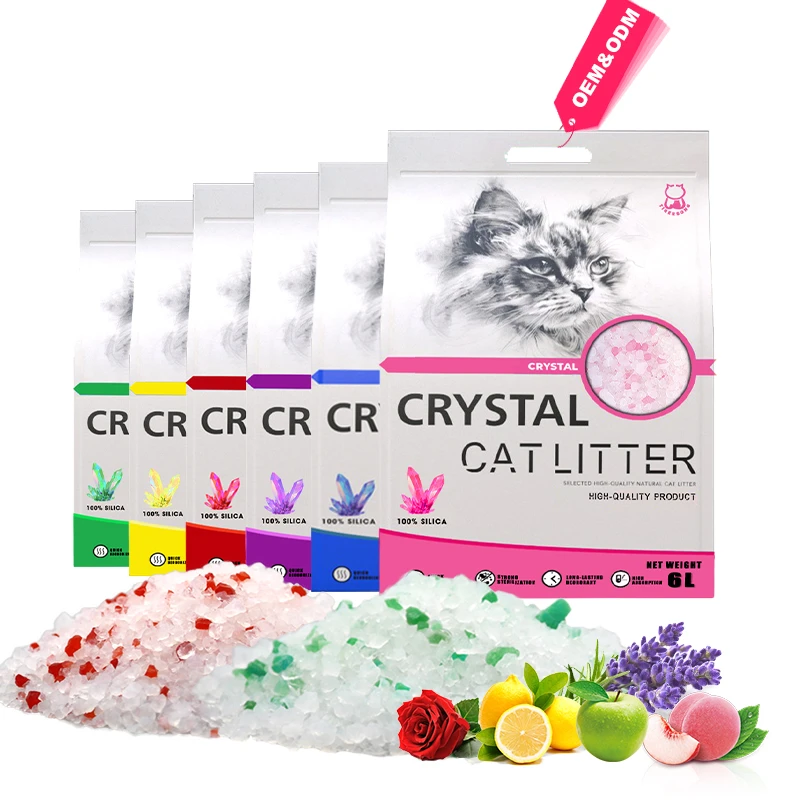
| Crystal Silica | Very Low | Non-clumping | Partially | Low dust, odor control focused |
| Pine / Wood | Low | Light clumping | Yes | Eco-conscious users |
| Corn-Based | Low | Good | Yes | Biodegradable, sensitive cats |
Comparing Leading Litter Vendors Compatible with Litter Robot
| Vendor | Compatible Litters | Price Range (per 20 lbs) | Sustainability Efforts | Customer Rating |
|---|---|---|---|---|
| World’s Best Cat Litter | Corn-based, natural clumping | $18-$25 | 100% biodegradable packaging | 4.5/5 |
| Dr. Elsey’s | Clumping clay, low dust | $12-$20 | Recycled packaging, water-saving processes | 4.3/5 |
| Fresh Step | Scented and unscented clay clumping | $10-$18 | Limited sustainability claims | 4.0/5 |
Future Trends & Innovations in Litter Choices for Automated Boxes
Tech and sustainability merge here, oddly enough. Emerging litters are incorporating renewable fibers, nano-odor absorbers, and even digital scent control (yes, that’s a thing under research). The trend towards biodegradable and compostable litter continues, spurred on by environmental standards set by organizations like ISO and the UN Environmental Programme.
Automation vendors increasingly recommend formulations that optimize sensor performance and reduce maintenance downtime — a blend of digital transformation and green innovation. Integrations with app-based monitoring promise to alert owners when to refill, pick litter style preferences, or even auto-order compatible litter from trusted vendors.
Challenges & Solutions With Litter Choices for Litter Robot
Despite progress, the balance between eco-friendliness and device compatibility can trip users. Biodegradable litters often have lighter texture and different moisture content which can confuse sensors or cause clumping issues. Some cats are picky, adding another layer — if you switch litters abruptly, they might reject the box entirely.
Expert advice: try slow transitions, test small batches, and consult official lists of compatible litters. Some owners combine litters initially, or supplement crystal liners. Manufacturers are working to improve sensor algorithms to handle diverse litter types better.
FAQ: Frequently Asked Questions About What Litter Can You Use in The Litter Robot
- Q: Can I use non-clumping litter in the Litter Robot?
- A: The Litter Robot is optimized for clumping litters because they allow the waste to be scooped effectively. Non-clumping litters can work but often lead to less efficient cleaning cycles and more frequent manual intervention.
- Q: Is silica crystal litter safe and compatible with the Litter Robot?
- A: Silica crystals are low dust and absorbent but do not clump, which may reduce the robot's cleaning efficiency. Some models support crystal litter, but check your device’s user manual and monitor performance closely.
- Q: What should I avoid to prolong my Litter Robot’s life?
- A: Avoid scented litters with oils or dust-heavy clays that can clog sensors and motors. Also, steer clear of very lightweight or very fine litters that may spill or confuse the weight sensors.
- Q: How quickly should I switch litters if I want to try a new kind?
- A: Gradually mix the new litter with the old over a period of 1-2 weeks to help your cat adjust and to prevent sensor calibration issues with the Litter Robot.
- Q: Where can I find official guidance on litter compatibility?
- A: Visit the Litter Robot manufacturer website or trusted pet-care sites such as what litter can you use in the litter robot for curated listings and user reviews.
Wrapping It Up: Why Choosing the Right Litter in Your Litter Robot Matters
Choosing the right litter isn’t just about keeping your cat’s bathroom pleasant; it’s about maximizing your Litter Robot’s performance while supporting sustainability and hygiene. The intersection of technology and pet care is delicate — a wrong litter can cause headaches, but the right one keeps everything purring smoothly. So, take your time, test carefully, and enjoy the benefits of smart cat care.
Ready to optimize your setup? Visit our website for detailed guidance and recommendations tailored to your furry friend.
Mini takeaway: The best litter choice blends cat comfort, robot compatibility, and eco-consciousness — a small tweak with outsized impact.
References
Products Categories
Latest News
-
Premium Cat Tree Furniture for Pet Health and Home Harmony
NewsApr.16,2026 -
Choosing the Best Cat Tree Extra Large for Your Feline Friends
NewsApr.09,2026 -
Choosing a Purrfect and Cute Cat Tree for Your Feline Friend
NewsApr.07,2026 -
Choosing the Ideal Cat Tree and Scratching Post for Your Feline Companion
NewsApr.04,2026 -
Discover the Purrfect Cat Tower Pink to Enhance Your Feline Friend's Life
NewsMar.31,2026 -
Choosing the Perfect Cat Tower Furniture for a Happy Feline Friend
NewsMar.28,2026 -
Choosing the Perfect Cat Tower for Two Cats to Enhance Their Wellbeing
NewsMar.26,2026