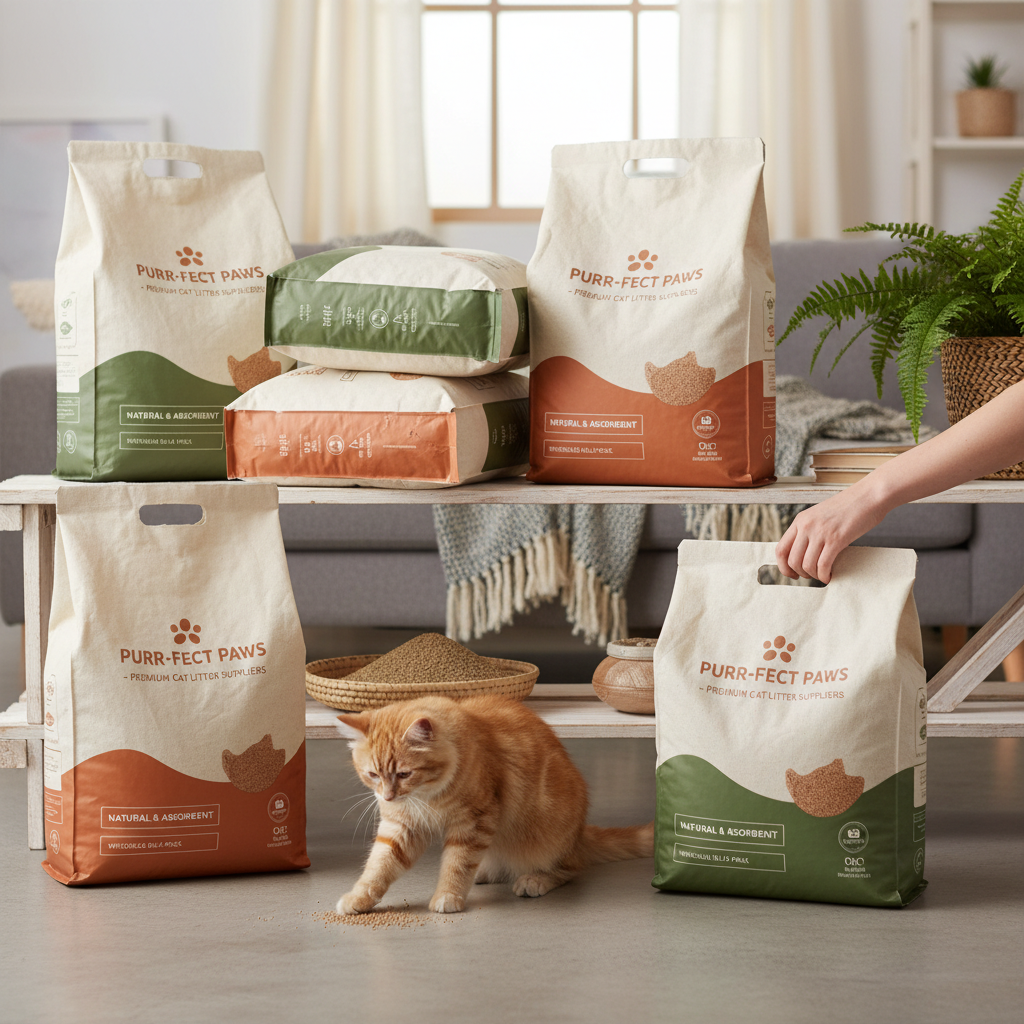
The global market for cat litter is a significant and steadily growing industry, heavily reliant on robust wholesale supplier networks. Cat litter wholesale suppliers play a critical role in ensuring pet owners worldwide have access to this essential product, impacting pet health, hygiene, and overall quality of life. Understanding the dynamics of these suppliers – their capabilities, pricing structures, and logistical efficiencies – is crucial for retailers, distributors, and even manufacturers operating within the pet care sector. The demand for various types of cat litter, including clay, silica gel, wood, and plant-based options, necessitates a diverse range of specialized wholesale suppliers.
The industry faces challenges including fluctuating raw material costs, increasing environmental concerns prompting demand for sustainable options, and the need for efficient distribution networks to serve a geographically dispersed customer base. Effective cat litter wholesale suppliers must adapt to these changes through innovation, strategic sourcing, and streamlined logistics. A reliable supply chain, built on strong relationships with wholesalers, is fundamental to meeting consumer demands and maintaining market competitiveness.
The importance of identifying reliable cat litter wholesale suppliers extends beyond simply securing product. It encompasses considerations of quality control, consistent supply, and responsiveness to evolving market trends. Choosing the right supplier can directly influence a retailer’s profitability, customer satisfaction, and brand reputation.
The Importance of Cat Litter Wholesale Suppliers
Cat litter wholesale suppliers are the backbone of the pet care supply chain, connecting manufacturers with retailers and distributors. Their efficiency and reliability directly impact the availability and affordability of cat litter for pet owners. A strong wholesale network ensures a consistent supply of various litter types, catering to different consumer preferences and pet needs.
These suppliers often manage complex logistics, including warehousing, transportation, and inventory control. They play a crucial role in adapting to fluctuations in demand and ensuring timely delivery of products, especially during peak seasons or in response to unexpected events. Successfully navigating these complexities makes these cat litter wholesale suppliers indispensable partners.
Defining Cat Litter Wholesale Suppliers
Cat litter wholesale suppliers are businesses that purchase large quantities of cat litter directly from manufacturers and then resell it to retailers, distributors, or other businesses. Unlike retail operations that sell directly to consumers, wholesalers focus on bulk sales and building relationships with business clients. They operate on a business-to-business (B2B) model, offering competitive pricing based on volume purchases.
The role of these suppliers is evolving. Beyond simply distributing product, many now offer value-added services such as private labeling, customized packaging, and logistical support. Their success depends on building trust, maintaining consistent quality, and offering flexible solutions to meet the diverse needs of their clients.
In the modern industry landscape, cat litter wholesale suppliers are increasingly focused on sustainability and ethical sourcing practices, responding to growing consumer demand for environmentally friendly products.
Key Factors in Selecting a Supplier
When choosing a cat litter wholesale supplier, several key factors should be considered. Product quality is paramount; suppliers should offer consistent, high-quality litter that meets industry standards and consumer expectations. Beyond quality, price competitiveness is vital to maximizing profitability.
Reliability of supply is equally important. Suppliers must be able to consistently fulfill orders on time and in the correct quantities, avoiding disruptions to retail operations. A robust logistics network and effective inventory management are critical to ensuring a smooth supply chain. Furthermore, a responsive customer service team is essential for addressing any issues or concerns that may arise.
Finally, a reputable supplier will offer transparent pricing, clear terms and conditions, and a commitment to ethical and sustainable business practices. Evaluating these factors carefully is essential to establishing a long-term, mutually beneficial partnership with a cat litter wholesale suppliers.
Global Applications and Market Reach
The demand for cat litter wholesale suppliers is truly global, mirroring the widespread ownership of cats as pets. North America and Europe represent major markets, but growth is particularly strong in emerging economies in Asia-Pacific and Latin America. This expanding market requires suppliers with the capacity to manage international logistics and navigate varying import regulations.
Within these regions, cat litter is supplied to a diverse range of outlets, including pet superstores, independent pet shops, veterinary clinics, and increasingly, online retailers. The rise of e-commerce has significantly expanded the reach of wholesale suppliers, allowing them to serve customers directly without relying solely on traditional distribution channels.
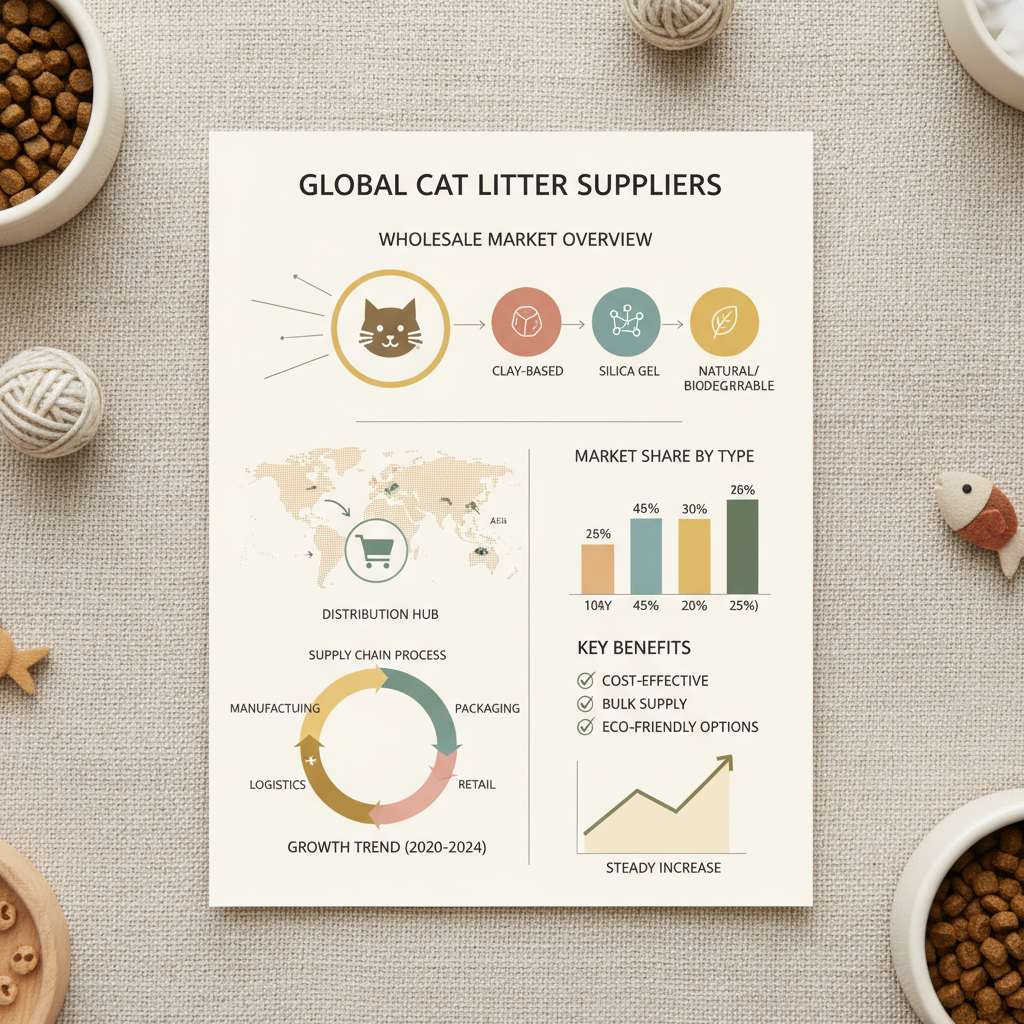
Cat Litter Wholesale Suppliers Performance Metrics
Advantages of Partnering with Wholesale Suppliers
Partnering with reputable cat litter wholesale suppliers offers numerous advantages for retailers and distributors. Access to competitive pricing is a primary benefit, allowing businesses to improve their profit margins and offer more attractive prices to consumers. Bulk purchasing power translates directly into cost savings.
Furthermore, wholesale suppliers streamline the procurement process, saving businesses time and resources. They handle the complexities of sourcing, inventory management, and logistics, allowing retailers to focus on sales and customer service. This efficiency can lead to faster turnaround times and increased customer satisfaction.
Future Trends in the Cat Litter Industry
The cat litter industry is poised for significant innovation in the coming years. A growing emphasis on sustainability is driving demand for eco-friendly litters made from renewable resources such as wood, corn, wheat, and paper. Biodegradable and compostable options are gaining popularity among environmentally conscious consumers.
Another trend is the development of smart litter boxes with automated cleaning and waste disposal features. These technologies require specialized litter formulations and create new opportunities for wholesale suppliers. Digital transformation is also playing a role, with suppliers leveraging data analytics and e-commerce platforms to improve efficiency and customer service.
The future of cat litter wholesale suppliers will be shaped by their ability to adapt to these changing market dynamics and offer innovative, sustainable solutions.
Challenges and Mitigation Strategies
Despite the opportunities, cat litter wholesale suppliers face several challenges. Fluctuating raw material costs, particularly for clay and silica gel, can impact profitability. Supply chain disruptions, such as transportation delays or factory closures, can lead to stock shortages. Competition from both domestic and international suppliers is also intense.
To mitigate these challenges, suppliers must diversify their sourcing options, invest in robust inventory management systems, and build strong relationships with logistics providers. Offering value-added services, such as private labeling and customized packaging, can also help differentiate their offerings and build customer loyalty.
Effective risk management and proactive planning are essential for navigating the complexities of the cat litter wholesale suppliers market.
Summary of Key Challenges and Mitigation Strategies for Cat Litter Wholesale Suppliers
| Challenge |
Impact on Supplier |
Mitigation Strategy |
Implementation Difficulty (1-5) |
| Raw Material Price Volatility |
Reduced Profit Margins |
Diversify Sourcing, Hedging Strategies |
3 |
| Supply Chain Disruptions |
Stockouts, Delayed Deliveries |
Build Inventory Buffer, Multi-Carrier Strategy |
4 |
| Intense Competition |
Price Wars, Reduced Market Share |
Differentiation Through Value-Added Services |
2 |
| Increasing Sustainability Demands |
Potential Loss of Environmentally Conscious Customers |
Invest in Sustainable Sourcing and Products |
3 |
| Logistics Costs |
Increased Operational Expenses |
Optimize Transportation Routes and Warehouse Locations |
2 |
| Changing Consumer Preferences |
Difficulty Maintaining Product Relevance |
Market Research and Product Innovation |
3 |
FAQS
The price of cat litter from wholesale suppliers is influenced by several factors, including the type of litter (clay, silica gel, wood, etc.), the quantity purchased, raw material costs, transportation expenses, and supplier margins. Bulk purchases typically qualify for lower per-unit prices. Supply and demand dynamics also play a significant role, with prices fluctuating based on market conditions.
Minimum order quantities (MOQs) vary significantly between cat litter wholesale suppliers. Some suppliers may require a full truckload, while others may accept smaller orders, particularly for established customers. MOQs are often dependent on the type of litter and the supplier's logistics capabilities. It's crucial to clarify MOQs before placing an order.
Before committing to a large order, request samples from the supplier to assess the quality of the litter firsthand. Check for consistency in texture, absorbency, dust control, and odor elimination. Consider asking for certifications or test results confirming the litter meets industry standards. Reviewing supplier testimonials and conducting due diligence are also recommended.
Common shipping and delivery terms include FOB (Free on Board), where the buyer assumes responsibility for shipping costs and risks once the goods leave the supplier’s warehouse, and CIF (Cost, Insurance, and Freight), where the supplier covers shipping and insurance costs. Delivery lead times vary depending on the supplier's location and inventory levels. Negotiating favorable shipping terms is essential for controlling costs.
Many cat litter wholesale suppliers offer private labeling and custom packaging services, allowing retailers to sell litter under their own brand name. This can be a valuable way to differentiate your product and build brand recognition. Custom packaging options may include different bag sizes, materials, and designs. These services typically involve additional costs.
There's a growing demand for sustainable cat litter made from renewable resources like wood, corn, wheat, and paper. Suppliers are responding by expanding their product lines to include eco-friendly options and investing in biodegradable and compostable materials. Consumers are increasingly willing to pay a premium for sustainable products, making this a key growth area for the industry.
Conclusion
In conclusion, reliable cat litter wholesale suppliers are essential to a thriving pet care industry. Their ability to provide consistent quality, competitive pricing, and efficient logistics is vital for retailers and distributors. Understanding the key factors involved in selecting a supplier, along with the emerging trends in sustainability and innovation, is crucial for long-term success.
Looking ahead, the cat litter market is expected to continue to grow, driven by increasing pet ownership and a greater emphasis on pet health and well-being. By proactively adapting to changing consumer preferences and investing in sustainable practices, cat litter wholesale suppliers can position themselves for continued growth and profitability. Visit our website at www.tiger-song.com to learn more.