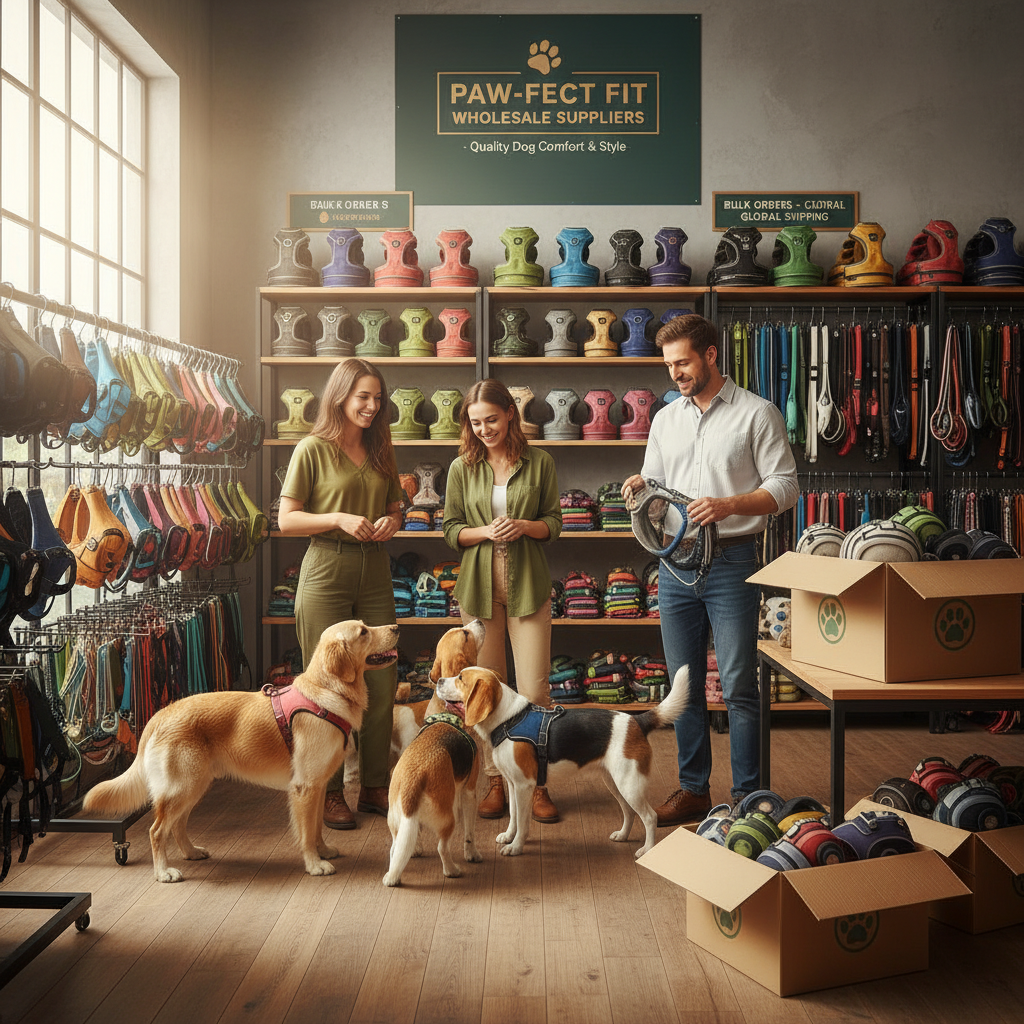
The global demand for reliable and cost-effective pet products is constantly growing, driving a significant need for dependable dog harness wholesale suppliers. This is particularly crucial for pet stores, online retailers, and breeders looking to maintain competitive pricing and consistently meet customer needs. The sourcing of high-quality harnesses is not merely a business transaction but impacts pet safety and owner peace of mind. Understanding the landscape of these suppliers, their capabilities, and the nuances of international trade is paramount for success in this dynamic market.
The importance of reliable dog harness wholesale suppliers extends beyond simple product procurement. It involves ensuring ethical manufacturing practices, adherence to safety standards, and efficient logistical solutions. With the rise of e-commerce and direct-to-consumer models, the ability to source products quickly and efficiently has become a key differentiator. Businesses need partners capable of handling large volumes, offering customization options, and providing exceptional customer support. This need is particularly acute in regions with rapidly expanding pet ownership.
The current market sees a surge in specialized harnesses – from no-pull designs for training to reflective options for nighttime safety, and even those designed for specific breeds or activities. This proliferation of choices underscores the critical role dog harness wholesale suppliers play in catering to diverse and evolving consumer demands. Successfully navigating this market requires a keen awareness of trends, material innovations, and quality control protocols.
The Role of Dog Harness Wholesale Suppliers
Dog harness wholesale suppliers serve as the critical link between manufacturers and retailers, enabling businesses to stock a diverse range of harnesses without the complexities of direct manufacturing. They manage inventory, handle logistics, and often provide quality control, allowing retailers to focus on sales and customer service. This specialization is vital for maintaining consistent supply chains and responding to fluctuating market demands.
The modern role extends beyond simple distribution. Many suppliers now offer value-added services, such as private labeling, customization, and even design assistance. This allows retailers to build their brand identity and offer unique products to their customer base. The best suppliers understand the importance of proactive communication and adaptability, building long-term relationships based on trust and mutual success.
Defining Dog Harness Wholesale Suppliers
Dog harness wholesale suppliers are businesses that purchase dog harnesses in bulk directly from manufacturers and then resell them to retailers, typically at a discounted price. This model allows retailers to avoid the high costs and logistical challenges associated with importing or manufacturing products themselves. Wholesale suppliers often specialize in certain types of harnesses, such as those for small breeds, large breeds, or specific activities like hiking or training.
They function as intermediaries, providing a crucial service in the pet industry supply chain. Their operations encompass sourcing, quality assurance, warehousing, and distribution. Successful suppliers maintain strong relationships with manufacturers, negotiate favorable pricing, and ensure products meet relevant safety standards. They also handle the complexities of international trade, including tariffs, customs, and shipping.
The scope of these suppliers can vary. Some are large-scale distributors serving national and international markets, while others are smaller, regional businesses focused on a specific geographic area. Regardless of size, their core function remains the same: to provide retailers with a reliable and cost-effective source of dog harnesses.
Key Factors in Selecting a Supplier
When choosing a dog harness wholesale supplier, several key factors should be considered. Durability is paramount; harnesses must withstand regular use and provide lasting security for pets. Suppliers should offer harnesses made from high-quality materials, such as nylon webbing, reinforced stitching, and secure buckles. Proper certification to relevant safety standards is also essential.
Scalability is another critical aspect. Can the supplier handle your current order volume and accommodate future growth? A reliable supplier should have sufficient inventory and the logistical capacity to fulfill large orders efficiently. Cost-efficiency is, of course, important, but it shouldn't come at the expense of quality or ethical manufacturing practices.
Furthermore, consider the supplier’s communication and customer service. Are they responsive to inquiries? Do they offer assistance with order tracking and issue resolution? A supplier that provides excellent support can save you valuable time and effort. Finally, check their return and warranty policies for added protection.
Global Applications and Market Reach
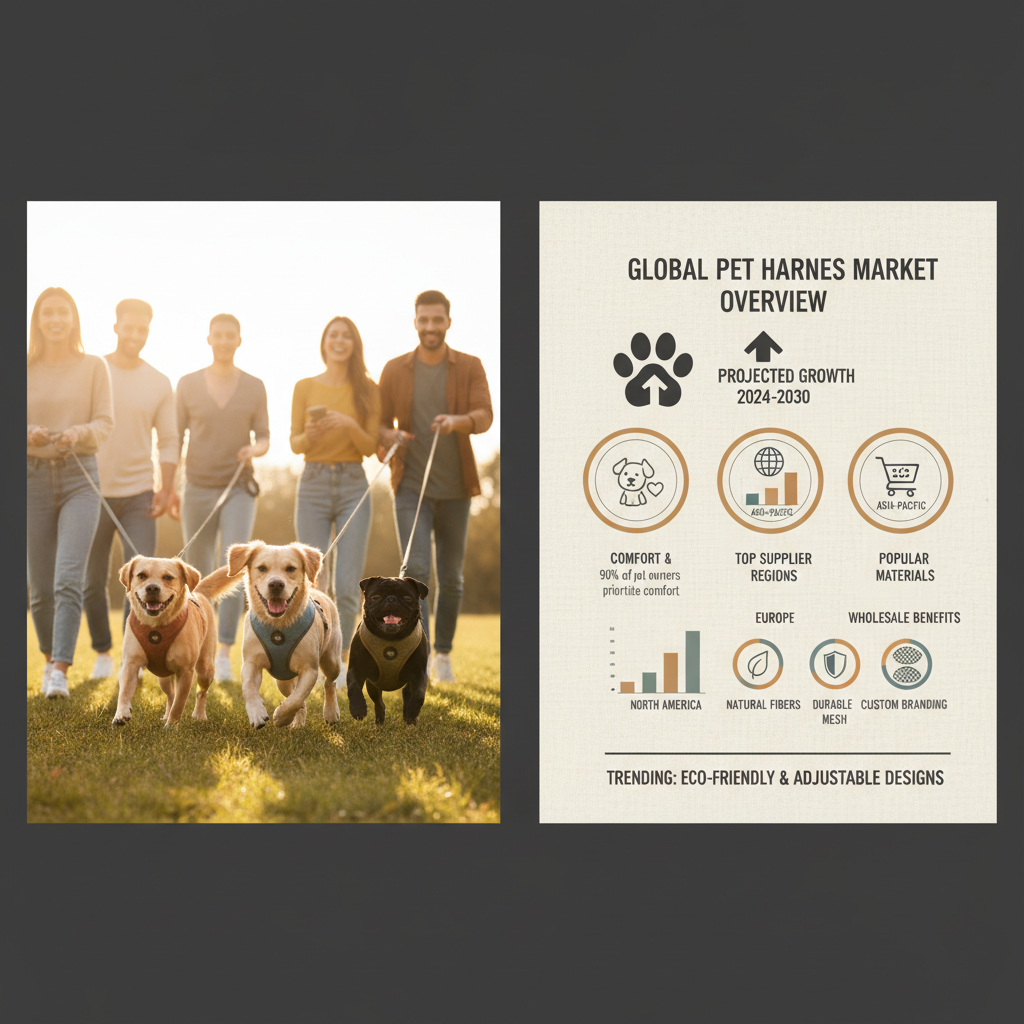
The demand for dog harnesses is global, and dog harness wholesale suppliers serve markets across continents. North America and Europe represent significant consumer bases, driven by high pet ownership rates and a growing emphasis on pet wellness. However, emerging markets in Asia-Pacific and Latin America are experiencing rapid growth in pet adoption, creating new opportunities for suppliers.
These suppliers facilitate the distribution of harnesses to a variety of retail channels, including pet stores, veterinary clinics, online marketplaces (like Amazon and Chewy), and direct-to-consumer brands. They also support non-profit organizations that provide service dogs or assist with animal rescue efforts. The applications are diverse, ranging from everyday walking harnesses to specialized equipment for police dogs or search and rescue teams.
In regions prone to natural disasters, durable and reliable harnesses are crucial for service animals assisting in rescue and recovery operations. Suppliers are increasingly focusing on sustainable and ethically sourced materials to cater to environmentally conscious consumers worldwide.
Market Share of Dog Harness Wholesale Suppliers by Region
Advantages of Partnering with Wholesale Suppliers
Partnering with dog harness wholesale suppliers offers numerous advantages for retailers. Reduced costs are a primary benefit, allowing for higher profit margins or more competitive pricing. The ability to access a wide variety of products without the expense of maintaining a large inventory is another significant advantage.
Wholesale suppliers also streamline the procurement process, saving retailers time and resources. They handle the logistics of shipping and customs, freeing up retailers to focus on core business functions. The ability to offer private-label products or customized designs can also enhance brand differentiation and customer loyalty.
Future Trends and Innovations
The dog harness industry is evolving rapidly, driven by technological advancements and changing consumer preferences. Expect to see increased adoption of smart harnesses equipped with GPS tracking, activity monitoring, and even biometric sensors. Sustainable materials, such as recycled nylon and plant-based fabrics, are gaining popularity as consumers become more environmentally conscious.
Customization is also a growing trend. Suppliers are offering personalized harnesses with embroidered names or unique designs. The integration of e-commerce platforms and automated inventory management systems will streamline the supply chain and improve efficiency. We’re also likely to see more innovative harness designs that prioritize pet comfort and safety, addressing specific needs and breed characteristics.
Challenges and Mitigation Strategies
Despite the benefits, working with dog harness wholesale suppliers presents certain challenges. Supply chain disruptions, such as those experienced during the COVID-19 pandemic, can lead to delays and inventory shortages. Quality control issues can also arise if suppliers do not adhere to strict standards.
Mitigation strategies include diversifying your supplier base, building strong relationships with key partners, and implementing rigorous quality assurance procedures. Staying informed about potential geopolitical risks and proactively managing inventory levels are also crucial. Transparency and open communication with suppliers are essential for addressing challenges effectively.
Another challenge is navigating international trade regulations and tariffs. Partnering with a supplier who has expertise in international logistics can simplify this process and minimize potential disruptions.
Analysis of Key Supplier Attributes
| Supplier Reliability |
Product Quality |
Pricing Competitiveness |
Shipping Efficiency |
| Consistent on-time deliveries |
Durable materials, secure construction |
Wholesale prices 15-25% below retail |
Average shipping time of 3-5 business days |
| Excellent communication and responsiveness |
Compliance with safety standards (e.g., EN 418) |
Bulk discounts available for large orders |
Reliable tracking and insurance options |
| Proactive problem-solving and support |
Minimal defects and consistent sizing |
Transparent pricing structure with no hidden fees |
Efficient handling of customs and documentation |
| Flexible order quantities and customization options |
Thorough quality control inspections |
Competitive exchange rates and payment terms |
Ability to handle peak season demand |
| Strong financial stability and reputation |
Use of non-toxic and eco-friendly materials |
Long-term contracts with price guarantees |
Global shipping network with multiple carriers |
| Commitment to ethical sourcing and fair labor practices |
Certifications demonstrating quality standards |
Special promotions and loyalty programs |
Fast and efficient returns process |
FAQS
The MOQ varies significantly between suppliers, but generally ranges from 100 to 500 units per style. Some suppliers may offer lower MOQs for initial orders, but this often comes with a higher per-unit price. It's important to inquire about MOQs upfront to ensure they align with your business needs and inventory capacity. Factors like harness complexity, customization requests, and supplier size can influence this number.
Lead times depend on the supplier’s location, production capacity, and shipping method. Generally, expect a lead time of 4-8 weeks for standard orders. Customized orders or large volumes may require longer lead times. Shipping times can vary significantly based on the destination and chosen carrier. Always confirm estimated delivery dates with the supplier before placing your order. Consider potential delays due to customs clearance.
Reputable suppliers typically implement multi-stage quality control processes. These may include raw material inspection, in-process checks during manufacturing, and final product inspection before shipment. Look for suppliers who adhere to relevant safety standards and certifications, such as EN 418. Independent third-party inspections can also provide an extra layer of assurance. Request samples to assess the quality firsthand before committing to a large order.
Many dog harness wholesale suppliers offer customization options, such as private labeling, logo embroidery, or color variations. However, customization often requires a higher MOQ and may increase the per-unit price. The level of customization available varies depending on the supplier’s capabilities. Provide detailed specifications and artwork to the supplier for accurate quoting and production.
Common payment terms include a percentage upfront (e.g., 30-50%) as a deposit, with the balance due upon shipment or delivery. Letter of credit (LC) is sometimes used for larger orders or international transactions. Negotiate payment terms with the supplier to find an arrangement that suits your cash flow and risk tolerance. Always ensure secure payment methods and verify the supplier’s legitimacy before making any payments.
Thorough due diligence is crucial. Check online reviews and ratings, request references from other customers, and verify the supplier’s business license and certifications. Visit trade shows to meet suppliers in person and assess their operations. Consider using a third-party verification service to assess the supplier’s creditworthiness and ethical practices. A reputable supplier should be transparent and willing to provide detailed information about their business.
Conclusion
In conclusion, selecting the right dog harness wholesale supplier is a critical decision for any pet retailer or business. Factors such as product quality, scalability, cost-efficiency, and reliability are paramount. By carefully evaluating potential suppliers and conducting thorough due diligence, businesses can secure a consistent supply of high-quality harnesses that meet the needs of their customers and contribute to their long-term success. A strong supplier partnership is essential for navigating the dynamic pet industry landscape.
Looking ahead, the dog harness market will continue to evolve with advancements in materials, design, and technology. Staying informed about these trends and collaborating with innovative suppliers will be crucial for maintaining a competitive edge. Investing in sustainable and ethically sourced products will also become increasingly important as consumer awareness grows. Visit our website at www.tiger-song.com to explore our range of wholesale dog harness solutions and learn how we can help your business thrive.