The global pet industry is experiencing unprecedented growth, fueled by increasing pet ownership and a growing trend towards pet humanization. This surge in demand has created a significant need for high-quality, innovative pet accessories, driving the expansion of pet accessories manufacturers worldwide. These manufacturers play a crucial role in supplying retailers and pet owners with everything from collars and leashes to beds, toys, and feeding equipment. Understanding the dynamics of this industry – the key players, manufacturing processes, and emerging trends – is vital for businesses looking to enter or expand within the pet care market.
Pet accessories manufacturers are becoming increasingly sophisticated, embracing new materials, technologies, and design principles. The industry is no longer limited to basic functionality; it now prioritizes aesthetics, comfort, safety, and even sustainability. This evolution demands a constant focus on research and development, quality control, and supply chain management. Moreover, globalization has intensified competition, requiring manufacturers to adapt quickly to changing consumer preferences and market conditions.
The impact of pet accessories manufacturers extends beyond mere product provision. They contribute significantly to economic growth, creating jobs and stimulating innovation. Furthermore, many manufacturers are now actively involved in animal welfare initiatives, supporting rescue organizations and promoting responsible pet ownership. This demonstrates a growing awareness of the ethical responsibilities inherent in the pet industry and a commitment to improving the lives of animals.
Introduction to pet accessories manufacturers
Pet accessories manufacturers encompass a diverse range of companies dedicated to the design, production, and distribution of items intended to enhance the lives of pets and their owners. This includes everything from the functional, like food and water bowls, to the fashionable, such as clothing and decorative collars. The success of these manufacturers hinges on understanding animal behavior, prioritizing safety and durability, and staying ahead of consumer trends.
The competitive landscape within the pet accessories manufacturing sector is complex, with a mix of large multinational corporations, specialized boutique brands, and smaller, regional producers. Manufacturers must navigate factors such as raw material costs, labor regulations, and transportation logistics to remain profitable. Furthermore, the rise of e-commerce and direct-to-consumer sales channels has fundamentally altered the way pet accessories are marketed and sold, presenting both opportunities and challenges for manufacturers.
Defining Pet Accessories Manufacturers
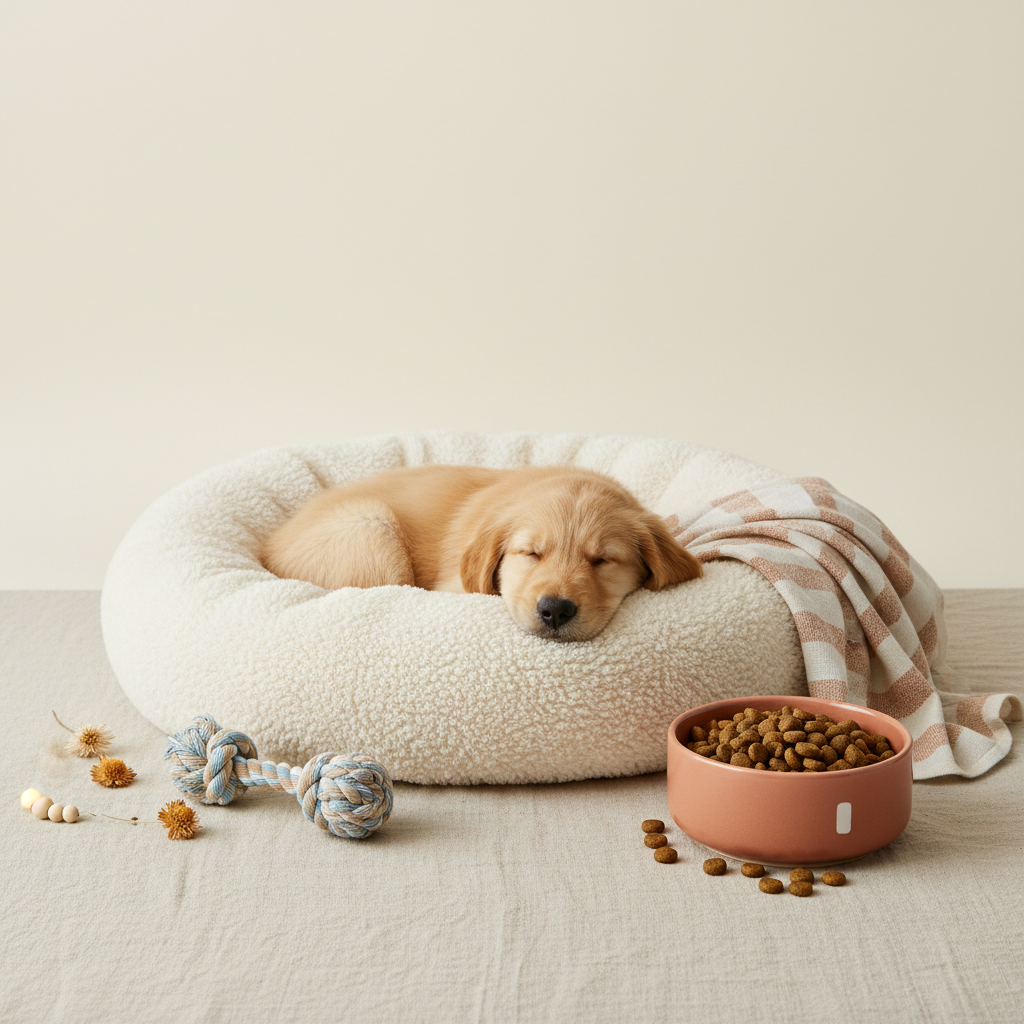
Pet accessories manufacturers are companies that specialize in creating products designed for pets. This broad category extends far beyond simple items like leashes and bowls. It encompasses a vast array of goods, including grooming supplies, housing (crates, beds), toys, travel accessories, health and wellness products, and even specialized apparel. These manufacturers can operate on various scales, from small, artisanal workshops to large-scale industrial facilities.
A crucial distinction lies between manufacturers and retailers. While retailers sell pet accessories to consumers, manufacturers are the entities responsible for actually producing those goods. They may sell directly to retailers, wholesalers, or increasingly, directly to consumers through their own online stores. Their core competence is in the efficient and cost-effective transformation of raw materials into finished pet products.
In the modern industrial landscape, pet accessories manufacturers are increasingly integrating design, engineering, and marketing expertise into their operations. This allows them to create innovative products that address evolving consumer needs and preferences, differentiate themselves from competitors, and build strong brand loyalty. Sustainability and ethical sourcing are also becoming increasingly important considerations for both manufacturers and consumers.
Key Factors in Pet Accessory Manufacturing
Durability is paramount when manufacturing pet accessories. Pets can be rough on their belongings, so products must withstand chewing, scratching, and general wear and tear. Manufacturers achieve this through careful material selection, robust construction techniques, and rigorous quality control testing. The type of pet the accessory is intended for also dictates the level of durability required – a toy for a large dog will need to be far more resilient than one for a kitten.
Scalability refers to a manufacturer's ability to increase production to meet growing demand. This requires efficient manufacturing processes, a reliable supply chain, and adequate staffing. A scalable operation can respond quickly to market opportunities and avoid stockouts, maintaining customer satisfaction and maximizing profitability. Investing in automation and lean manufacturing principles is key to achieving scalability.
Cost efficiency is vital for remaining competitive in the pet accessories market. Manufacturers must carefully manage their costs – including raw materials, labor, and overhead – to offer products at attractive prices. This often involves sourcing materials from cost-effective suppliers, optimizing production processes, and minimizing waste. Value engineering, the process of finding ways to reduce costs without compromising quality, is a common practice.
Global Applications of Pet Accessories
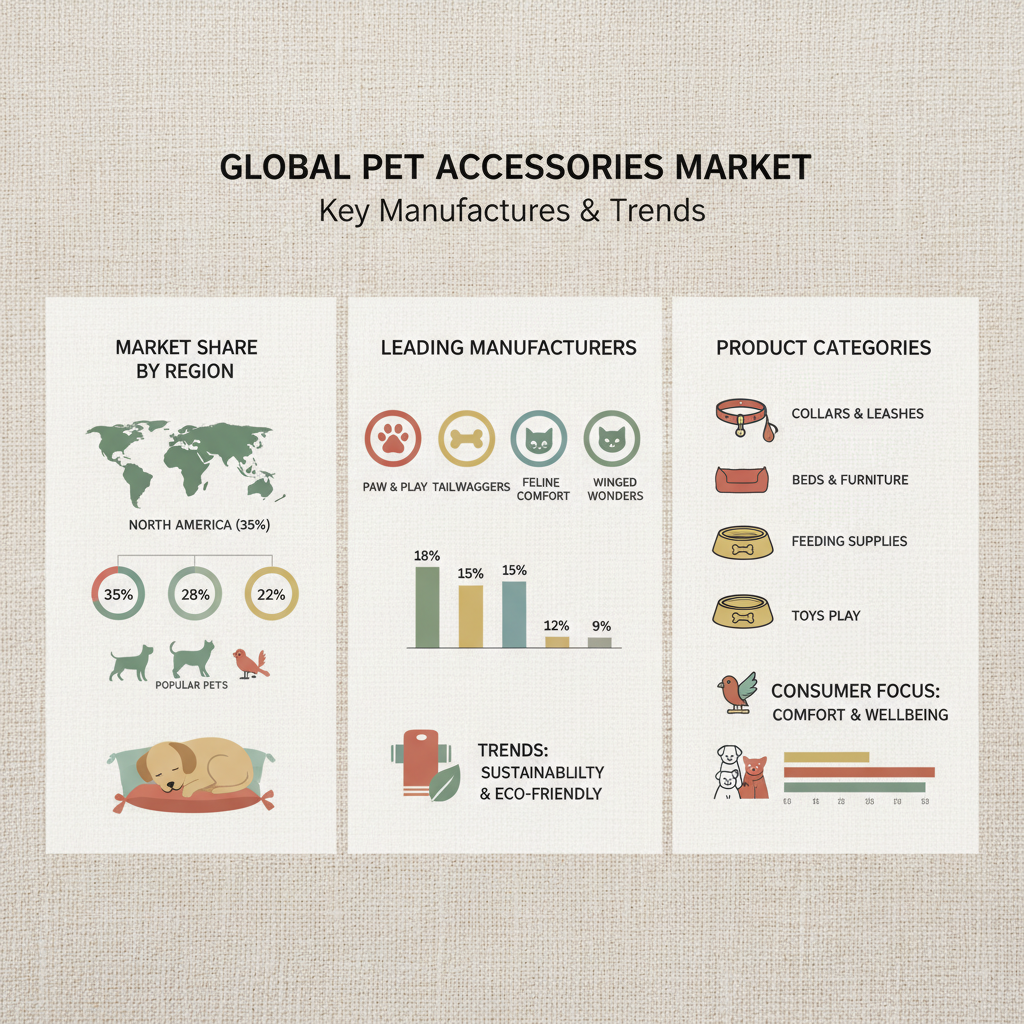
Pet accessories manufacturers serve a global market, with significant demand coming from North America, Europe, and Asia-Pacific. In developed countries, the demand is driven by high pet ownership rates and a willingness to spend on premium products. Emerging markets are experiencing rapid growth in pet ownership, creating new opportunities for manufacturers.
The applications of pet accessories extend beyond simply providing pets with comfort and entertainment. In some regions, specialized accessories are used for working animals, such as guide dogs and herding dogs. These accessories are designed to enhance the animal's performance and protect them from injury. Furthermore, pet accessories play an important role in pet therapy programs, providing animals with the tools they need to interact with and comfort patients.
The global supply chain for pet accessories is complex, with raw materials sourced from various countries and finished products manufactured in a range of locations. This interconnectedness highlights the importance of efficient logistics, clear communication, and adherence to international trade regulations. Manufacturers must also be aware of cultural differences and adapt their products to meet the specific needs of different markets.
Pet Accessories Manufacturing Methods
Advantages and Long-Term Value
Investing in quality pet accessories provides significant cost savings over the long term. Durable products reduce the need for frequent replacements, ultimately saving pet owners money. Furthermore, well-designed accessories can improve a pet's health and well-being, reducing veterinary bills. Manufacturers that prioritize quality and durability are building trust with consumers, fostering brand loyalty and repeat business.
Sustainability is becoming an increasingly important factor for both manufacturers and consumers. Using eco-friendly materials, reducing waste, and adopting responsible manufacturing practices can minimize the environmental impact of pet accessories. This not only benefits the planet but also enhances a company's reputation and appeals to environmentally conscious consumers.
Future Trends and Innovations
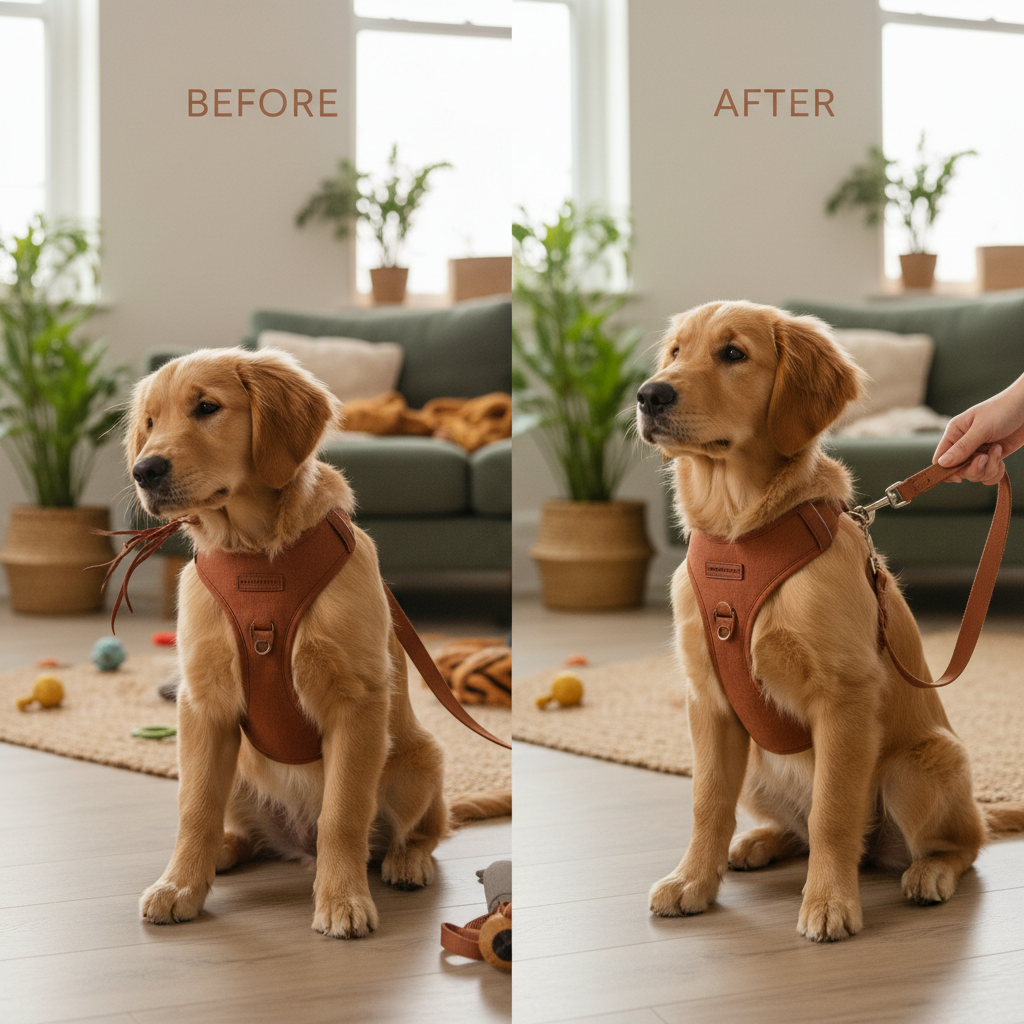
The future of pet accessories manufacturing will be shaped by several key trends, including the increasing use of smart technology. Wearable devices that track a pet's activity level, location, and health metrics are becoming increasingly popular. Manufacturers are integrating these technologies into accessories such as collars and harnesses, creating connected pet products.
Personalization is another growing trend. Pet owners are increasingly seeking accessories that are tailored to their pet's individual needs and preferences. Manufacturers are responding by offering customizable products, such as engraved collars and personalized bedding. 3D printing technology is enabling the creation of highly customized accessories on demand.
Challenges and Solutions for Manufacturers
One of the biggest challenges facing pet accessories manufacturers is maintaining profitability in a competitive market. Rising raw material costs and increasing labor expenses are squeezing margins. Manufacturers can address this challenge by optimizing their supply chains, investing in automation, and focusing on value engineering.
Another challenge is ensuring product safety. Pet accessories must meet strict safety standards to prevent injury to animals. Manufacturers must implement rigorous quality control procedures and conduct thorough testing to ensure that their products are safe and reliable. Compliance with international safety regulations is also essential.
Finally, managing supply chain disruptions is a growing concern. Global events and unforeseen circumstances can interrupt the flow of raw materials and finished products. Manufacturers can mitigate this risk by diversifying their supply sources, building buffer inventories, and developing contingency plans.
Summary of Challenges and Solutions in Pet Accessory Manufacturing
| Challenge |
Impact on Manufacturers |
Proposed Solution |
Implementation Complexity (1-5) |
| Rising Raw Material Costs |
Reduced Profit Margins |
Supply Chain Optimization & Value Engineering |
3 |
| Product Safety Concerns |
Legal Liabilities & Brand Damage |
Rigorous Quality Control & Testing |
4 |
| Intense Market Competition |
Price Wars & Decreased Market Share |
Product Differentiation & Branding |
2 |
| Supply Chain Disruptions |
Production Delays & Lost Sales |
Diversification of Suppliers & Buffer Inventories |
3 |
| Evolving Consumer Preferences |
Product Obsolescence & Decreased Demand |
Market Research & Agile Product Development |
2 |
| Sustainability Concerns |
Negative Public Perception & Reduced Sales |
Eco-Friendly Materials & Responsible Manufacturing |
3 |
FAQS
Pet accessories manufacturers should prioritize certifications like ISO 9001 (quality management), ISO 14001 (environmental management), and potentially specific safety certifications relevant to their product type (e.g., EN71 for toys). These certifications demonstrate a commitment to quality, safety, and environmental responsibility, building trust with retailers and consumers. Compliance with relevant local regulations and standards is also crucial, and should be investigated on a country-by-country basis. Ensuring product labeling meets legal requirements, particularly regarding materials and safety warnings, is essential for avoiding legal issues.
Manufacturers can reduce their environmental impact by utilizing sustainable materials like recycled plastics, organic cotton, and bamboo. Implementing eco-friendly manufacturing processes, such as reducing water consumption and minimizing waste, is also crucial. Optimizing packaging to reduce material usage and utilizing recyclable or biodegradable packaging materials further contributes to sustainability. Furthermore, transparency regarding supply chain sourcing and manufacturing practices can build trust with environmentally conscious consumers.
Current trends in pet accessory design include a focus on functionality, durability, and aesthetics. Many designs incorporate ergonomic principles for pet comfort and safety. There's a growing demand for personalized accessories, reflecting pet owners' desire to express their pets’ individuality. Sustainable materials and minimalist designs are also gaining popularity. Smart accessories with integrated technology, like GPS trackers and activity monitors, represent a significant emerging trend.
Sourcing raw materials can be challenging due to fluctuating prices, supply chain disruptions, and concerns about ethical sourcing. Ensuring the quality and safety of materials is paramount, requiring rigorous testing and supplier vetting. Finding sustainable and environmentally friendly alternatives to traditional materials can also be difficult. Manufacturers must also navigate complex international trade regulations and tariffs when sourcing materials from different countries. Maintaining consistent quality across different batches from various suppliers is a continual challenge.
E-commerce is critically important for pet accessories manufacturers. It provides a direct channel to consumers, bypassing traditional retail intermediaries and enabling greater control over branding and pricing. Online marketplaces like Amazon and Etsy, as well as direct-to-consumer websites, represent significant sales opportunities. Effective online marketing, including social media and search engine optimization (SEO), is crucial for reaching target audiences. The ability to offer personalized recommendations and build customer loyalty through online engagement is also key.
The future prospects for the pet accessories manufacturing industry are highly positive, driven by continued growth in pet ownership and increasing pet humanization. Innovation in materials, design, and technology will fuel further expansion. Demand for sustainable and ethically sourced products will continue to rise. The integration of smart technology into pet accessories offers significant growth potential. Manufacturers that can adapt to changing consumer preferences and embrace new technologies are well-positioned for success. Global expansion into emerging markets also presents significant opportunities.
Conclusion
In conclusion, pet accessories manufacturers play a vital role in a thriving global industry. Understanding the key factors influencing this sector—from durability and scalability to sustainability and innovation—is crucial for success. By prioritizing quality, embracing technological advancements, and addressing the evolving needs of pet owners, manufacturers can secure a competitive advantage and contribute to the well-being of animals worldwide.
Looking ahead, collaboration between manufacturers, retailers, and pet care professionals will be essential for driving innovation and addressing emerging challenges. A continued focus on sustainability, ethical sourcing, and product safety will be paramount. Ultimately, the future of the pet accessories manufacturing industry lies in its ability to enhance the lives of pets and strengthen the bond between pets and their owners. Visit our website at pet accessories manufacturers to learn more.